The Skin Type Nd:YAG Laser Can Actually Darken
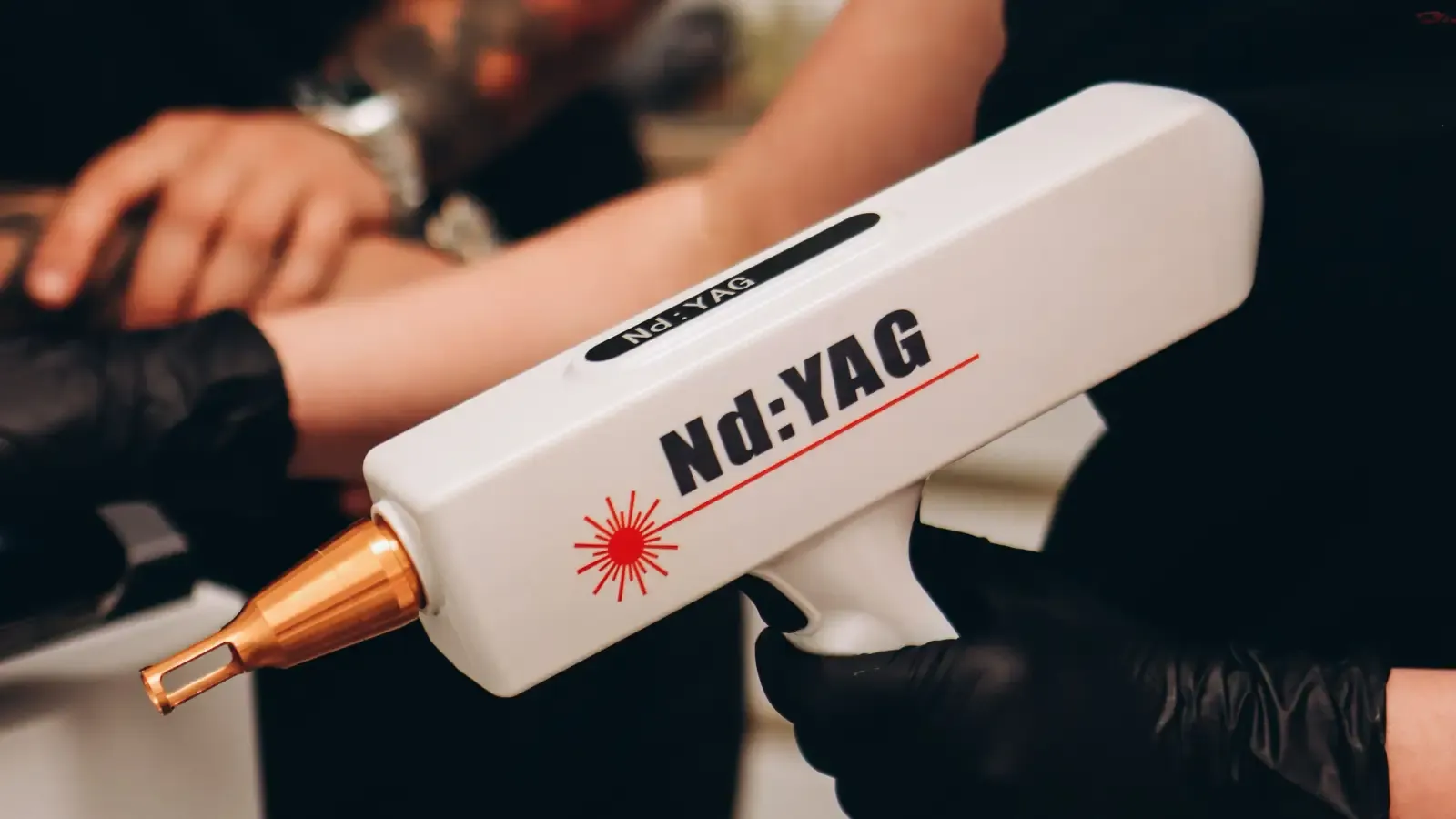
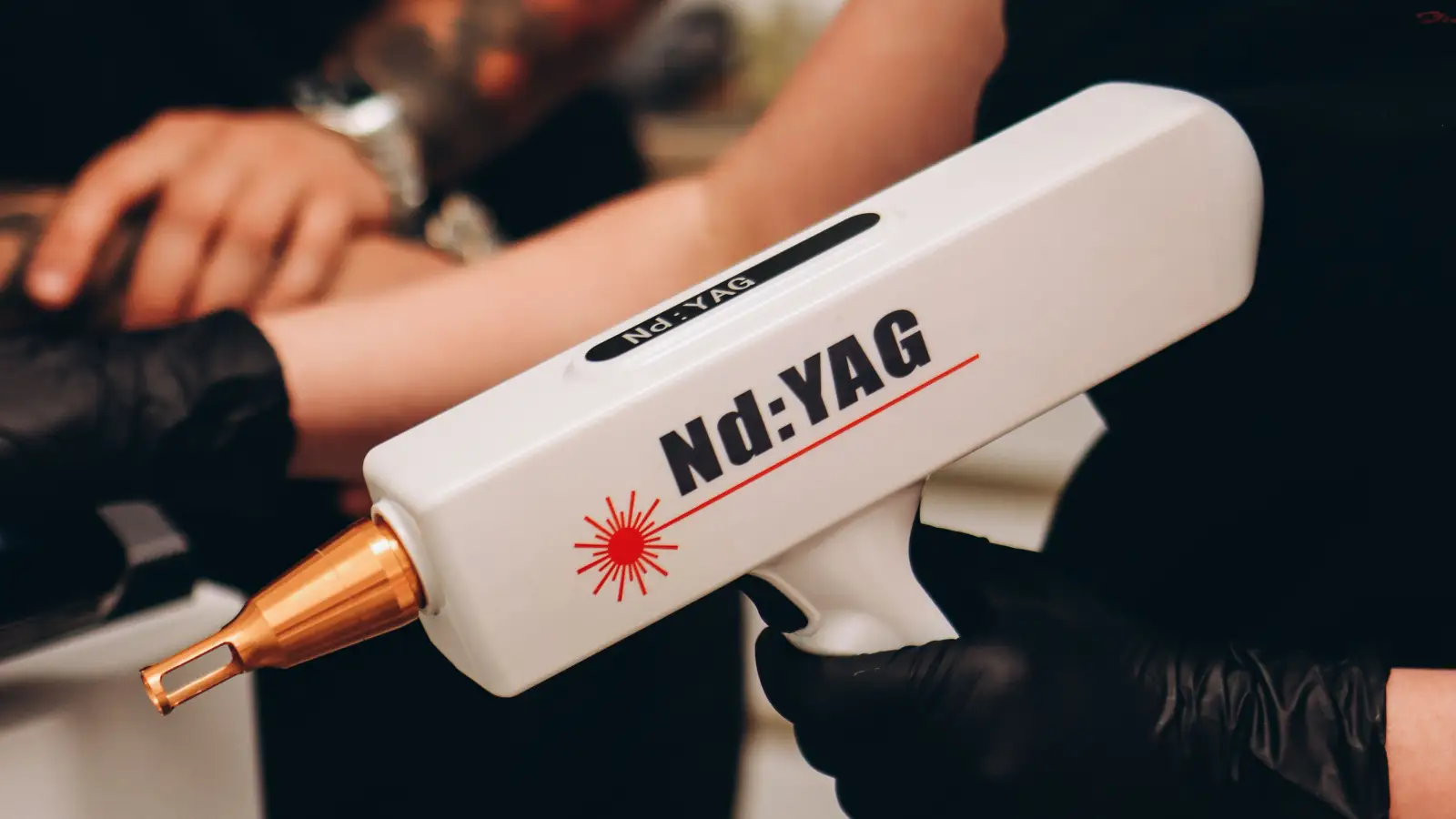
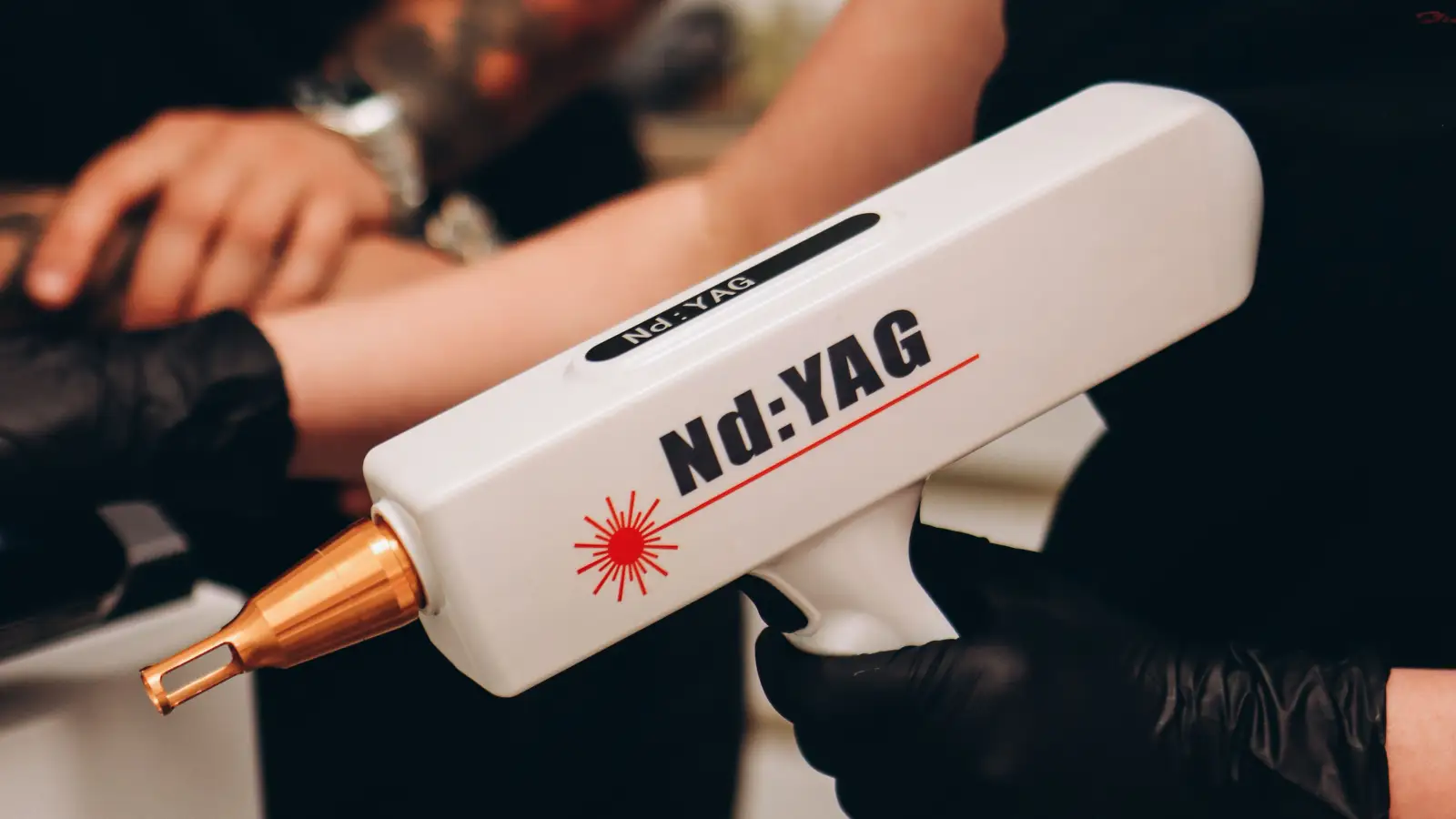
Nd:YAG lasers can darken skin. The 532 nm wavelength is the specific culprit for Fitzpatrick V and VI skin: it grabs melanin too aggressively, heats the basal layer, and triggers post-inflammatory hyperpigmentation (PIH). The result is brown or black patches where the laser touched. The 1064 nm wavelength penetrates deeper and glances off most epidermal melanin — making it the default choice for darker skin tones, though not a zero-risk one.
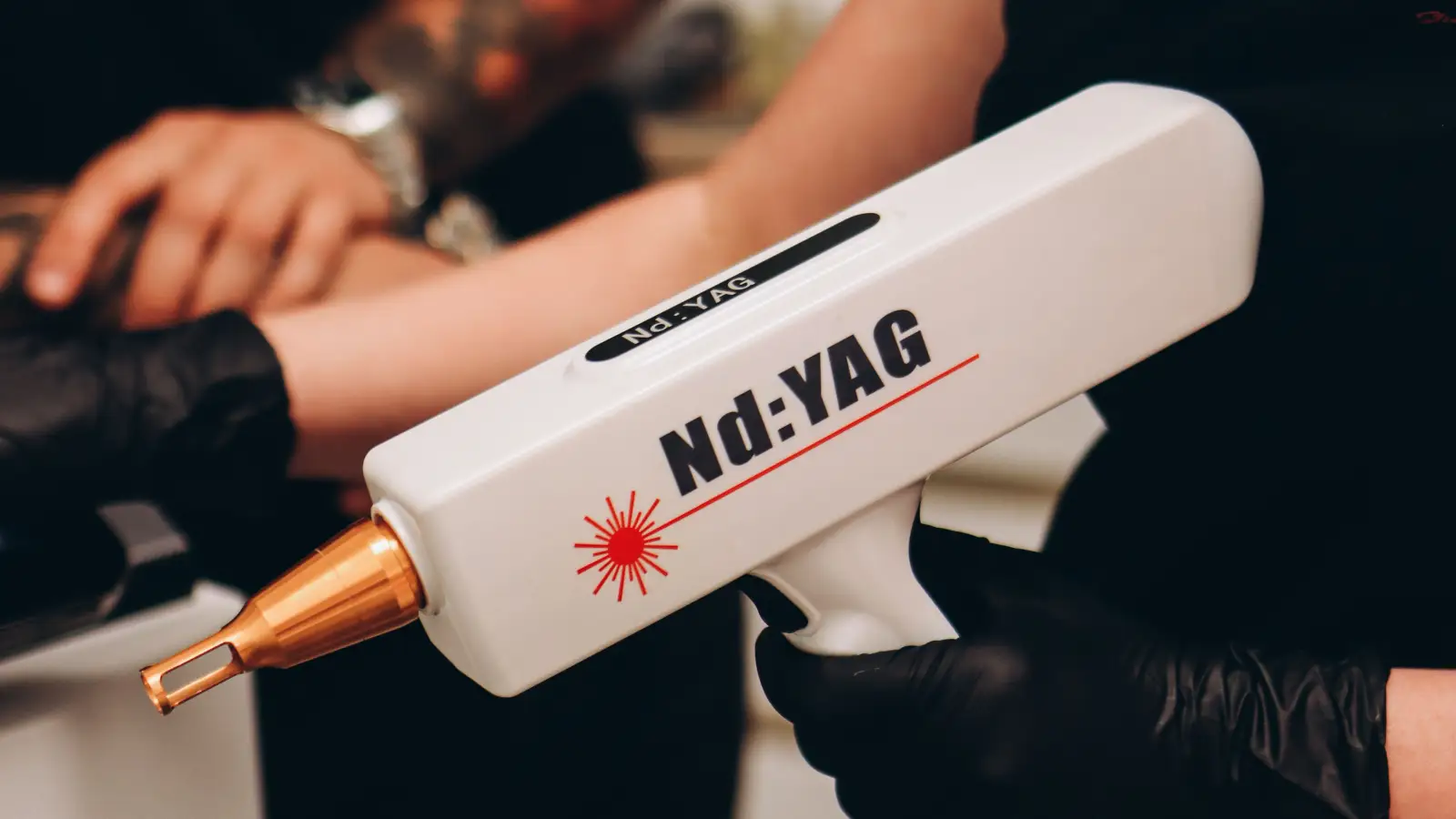
This article explains the exact scenario where Nd:YAG backfires on brown and Black skin: the 532 nm KTP setting. It stays away from broad claims that any laser is “safe for all” and instead walks through the three PIH patterns this wavelength can produce, how to distinguish each from a healing response or a burn, and what to do next. The focus stays narrow — what a person with skin type V or VI needs to check when their skin gets darker instead of clearer.
Three Patterns of Nd:YAG Darkening on Fitzpatrick V–VI Skin
Match what you’re seeing to one of these descriptions. Each links to a section with causes, confirmations, fixes, and timelines.
- Brown spots appearing 1 to 4 weeks after treatment — the hallmark PIH from 532 nm. See [Delayed Brown Patches: The 532 nm PIH Pattern](#delayed-brown-patches-the-532-nm-pih-pattern).
- Skin turning gray, ashy, or darker right after the pulse — suspect a burn or immediate pigment darkening. See [Immediate Ashy Darkening: Burn or Pigment Oxidation?](#immediate-ashy-darkening-burn-or-pigment-oxidation).
- Dark marks that won’t fade even on 1064 nm — usually undertreatment or post-care failure. See [Stubborn Dark Spots Despite 1064 nm](#stubborn-dark-spots-despite-1064-nm).
Delayed Brown Patches: The 532 nm PIH Pattern
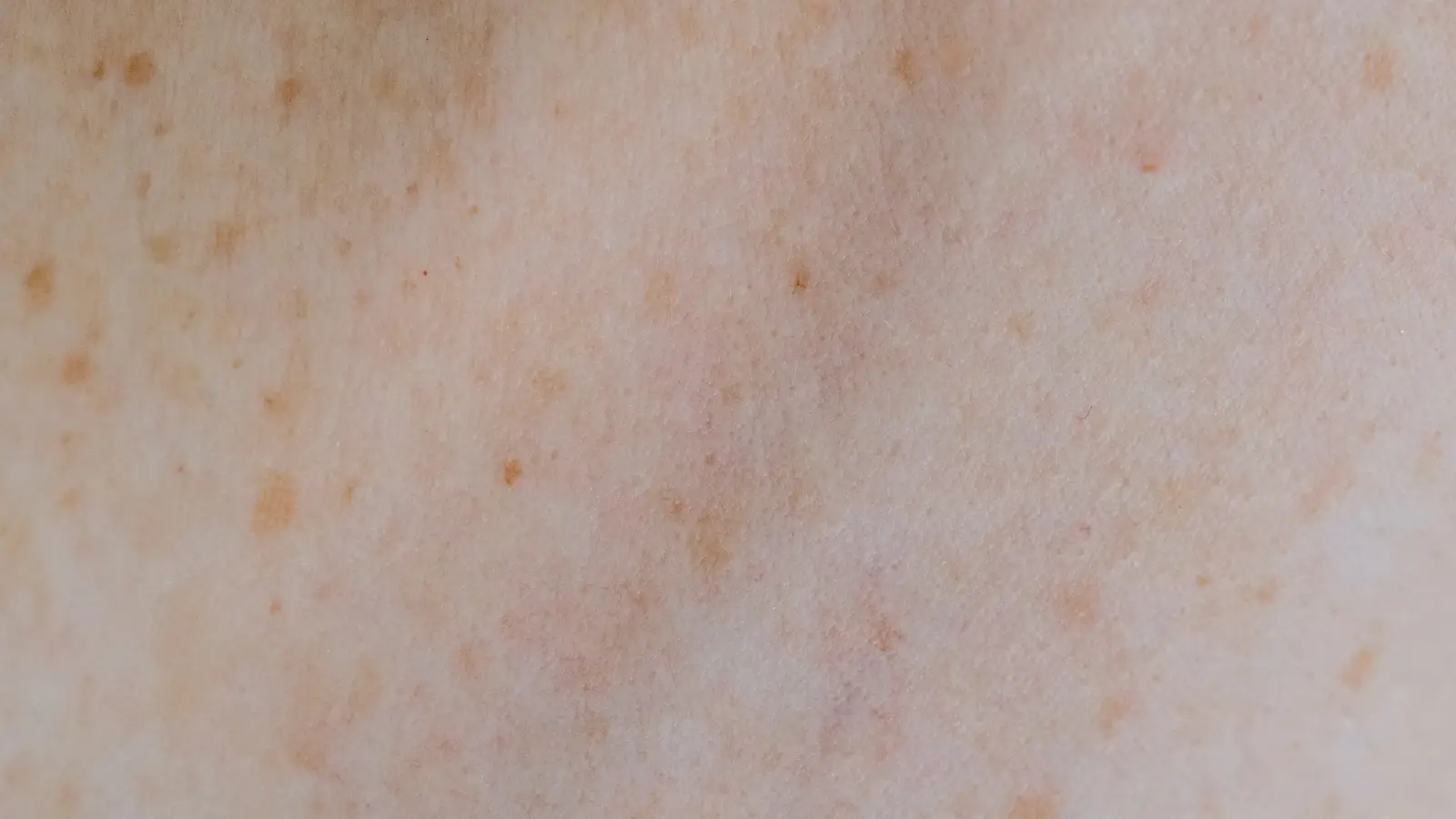
This is the most frequent Nd:YAG complication on melanin-rich skin. It can appear weeks after a session that seemed uneventful.
Why It Happens: Melanin Capture at 532 nm
The 532 nm wavelength absorbs strongly into melanin. On skin types V and VI, the epidermal melanin competes with the intended target — a sun spot or telangiectasia — and soaks up most of the energy. That heat damages the basal layer, launching an inflammatory cascade that causes melanocytes to overproduce pigment. The risk increases when fluence is set high, pulse durations are short, or epidermal cooling is sparse.
How to Confirm PIH, Not Scarring or Infection
PIH shows a distinct timeline: no reaction immediately, then gradual darkening that peaks around week 3 or 4. The discolored area stays flat and exactly matches the treated zone. If skin rises, itches, or weeps, the problem is more likely scarring or infection. Checking the laser settings log — wavelength, fluence, spot size — gives a more reliable clue than visual inspection alone. A Wood’s lamp can suggest pigment depth but is not a substitute for the treatment record.
Exact Fix Steps
Stop all 532 nm treatments permanently. Start a topical tyrosinase inhibitor: hydroquinone 4% under prescription supervision, azelaic acid 15–20%, or compounded tranexamic acid. Use a broad-spectrum mineral sunscreen (SPF 50+, iron oxide for visible light) every morning and reapply every two hours if outdoors. If inflammation still lingers, a short course of low-potency topical corticosteroid can calm the area before resuming lightening agents. Do not exfoliate, peel, or use any other lasers on the site.
Expected Result
With strict topical therapy and sun avoidance, superficial PIH fades in 8 to 12 weeks. Deeper dermal pigment can take 6 to 12 months. Wait until skin color matches baseline for at least one month before considering any laser again.
Immediate Ashy Darkening: Burn or Pigment Oxidation?
Skin that turns gray or ashy the moment the pulse lands signals a more acute event — thermal injury or immediate pigment darkening.
Why It Happens: Overheated Epidermis or Melanin Oxidation
A superficial burn from overly aggressive 532 nm or 1064 nm energy can give the skin a grayish cast as the epidermis begins to detach. Alternatively, the laser pulse can oxidize existing melanin instantly (immediate pigment darkening), producing a charcoal-gray discoloration. The difference matters for aftercare.
How to Tell the Difference
A burn shows texture changes within 24 hours — blistering, crusting, or a moist surface. Immediate pigment darkening remains flat and may lighten slightly over a few days without peeling. Either way, have a provider experienced with darker skin examine it; incorrect home treatment can convert either into long-term PIH.
Fix Steps for Each
For a burn: cool compresses, a petrolatum ointment, no actives until the skin re-epithelializes. Then start silicone gel to reduce scarring risk. For immediate pigment darkening: wait several days while shielding the area from all UV; if the discoloration persists past 10 days, a gentle pigment-lightening cream under medical guidance can help. Record every laser parameter used and do not repeat those settings on dark skin.
Expected Result
Superficial burns heal in 2 to 4 weeks, though PIH may follow. Immediate pigment darkening often resolves within a week or two spontaneously, but stubborn cases need active management.
Stubborn Dark Spots Despite 1064 nm
Switching to the safer wavelength does not guarantee clearance. Some patients see little change, or new PIH.
Why It Happens: Undertreatment, Technique, or Sun Slips
1064 nm is safer, but if fluence is too low, melanin-bearing cells are not disrupted and the original pigment persists. Too much pulse overlap or inadequate cooling can still cause PIH even at 1064 nm. The most underestimated reason: unprotected sun exposure while the skin barrier heals. Even minutes can restart the hyperpigmentation cycle.
How to Pin Down the Cause
Check the treatment log. If fluence was never gradually increased or no test spot was done, undertreatment is likely. Patchy PIH that mirrors the laser grid points to technique. Sun-related darkening typically worsens day by day and correlates with any unprotected time outdoors.
Fix Steps
First, tighten post-care: a mineral SPF 50+ sunscreen reapplied every two hours, plus a wide-brimmed hat. Add a morning antioxidant — L-ascorbic acid 10–15% — under sunscreen to quench UV-generated free radicals. Before the next session, insist on a single test spot at the planned 1064 nm settings and observe it for 4 weeks. Use conservative fluence, longer pulse durations, and adequate epidermal cooling.
Expected Result
After 2 to 3 sessions with corrected parameters and ruthless sun protection, improvement should be visible. If not, consider an underlying condition like melasma that demands a different approach entirely.
Reset Moves for Most Nd:YAG Darkening
These steps work across variants and can stabilize skin while the specific trigger is sorted out.
- Stop all laser and energy-based device treatments until the darkening is diagnosed and resolved.
- Simplify the skincare routine: gentle cleanser, bland moisturizer, mineral SPF 50+ sunscreen. Remove retinoids, acids, and vitamin C initially.
- Add a tyrosinase inhibitor — hydroquinone 4% (prescribed), azelaic acid 15–20%, or compounded tranexamic acid — and use it exactly as directed.
- Combine sunscreen with physical barriers: clothing, hats, sunglasses. For melanin-rich skin recovering from laser irritation, this is not optional.
These reset moves waste time when the darkening stems from deep scarring or a disorder like melasma that needs its own treatment hierarchy. If after 12 weeks of strict adherence nothing has improved, move to the escalation path.
Preventing Nd:YAG Darkening on Melanin-Rich Skin
Prevention rests on three decisions made before the first pulse.
- Wavelength choice. For Fitzpatrick V and VI, skip 532 nm entirely. The PIH risk overwhelms any benefit for superficial pigment. 1064 nm is the minimum standard.
- Pre-treatment suppression. Apply a tyrosinase inhibitor — hydroquinone or a non-hydroquinone option like cysteamine or azelaic acid — for 2 to 4 weeks before the initial session. This lowers baseline melanocyte activity.
- Test spot and conservative settings. Place one test pulse with the planned 1064 nm parameters in an inconspicuous area; wait 4 weeks; examine in daylight. Start with low fluence, millisecond-domain pulse durations, and strong epidermal cooling.
After treatment, sun avoidance is the maintenance step. One unprotected exposure during the healing phase can erase weeks of preparation.
FAQ
Can Nd:YAG laser cause permanent darkening?
Permanent darkening is uncommon. Most PIH resolves with time and correct treatment, though deep dermal pigment may take over a year and occasionally leaves a faint remnant. Permanent scarring is rarer and usually follows burns or infections.
How long does PIH from Nd:YAG last?
Epidermal PIH, the typical 532 nm type, clears in 8 to 12 weeks with consistent topical therapy. Dermal PIH can last 6 to 12 months or longer, sometimes requiring additional controlled procedures after the skin stabilizes.
Is 1064 nm completely safe for dark skin?
No laser is entirely safe for dark skin. 1064 nm is safer because it has low melanin absorption, but aggressive parameters, poor cooling, or sun exposure can still cause PIH. Think of it as lower risk, not zero risk.
What should I do right after noticing darkening?
Stop all active topicals except a gentle cleanser, moisturizer, and broad-spectrum SPF 50+ mineral sunscreen. Avoid the sun completely. Contact the provider for the exact laser settings used. Take daily well-lit photos to track changes. If there is blistering, pain, or signs of infection, get medical attention immediately.
Can another laser fix Nd:YAG dark spots?
Not while active PIH is present. Treating too soon can worsen hyperpigmentation. Wait until the skin returns to its normal tone, then discuss non-ablative fractional 1927 nm or low-fluence Q-switched 1064 nm with a provider who knows melanin-rich skin. Never attempt a corrective laser without a proper waiting period and a fresh evaluation.
When Nothing Worked: The Escalation Path
If 12 weeks of the reset steps and targeted fixes produce no change, gather these details before seeing a specialist:
- Laser device model and all session parameters (wavelength, fluence, pulse duration, spot size, passes, cooling).
- Timeline of darkening: start, progression, and any factors that helped or hurt.
- List of every topical product used on the area, with dates.
- Daily photographs, same lighting, preferably macro shots.
Bring this to a board-certified dermatologist with demonstrated experience treating hyperpigmentation in skin of color. The right clinician will differentiate between stubborn PIH, rare laser-induced ochronosis, or an underlying pigment disorder that was missed initially. In complex cases, a cosmetic dermatologist who publishes on laser complications in darker skin can provide the needed depth.
Pigment Curious
We are people who want to better understand skin pigmentation, dark spots, and how different skin tones respond to skincare and professional treatments. We look beyond simple beauty claims, focusing on scientific evidence, clear explanations, and practical knowledge that helps people make more informed decisions about their skin.