Why Nd:YAG Isn’t Always the Best Laser for Pigmentation
You probably typed this search after hearing that Nd:YAG is the gold standard for darker skin — and then seeing someone with a lighter complexion get wowed by an alexandrite session while your own spot barely flickered. The quick verdict? Nd:YAG dominates when pigment lives deep in the dermis and your melanin background is substantial; it stumbles on superficial solar lentigines and often taps out against melasma that a picosecond laser would dismantle. Pick the laser that speaks your spot’s depth chart, not the one that shows up in every clinic brochure.
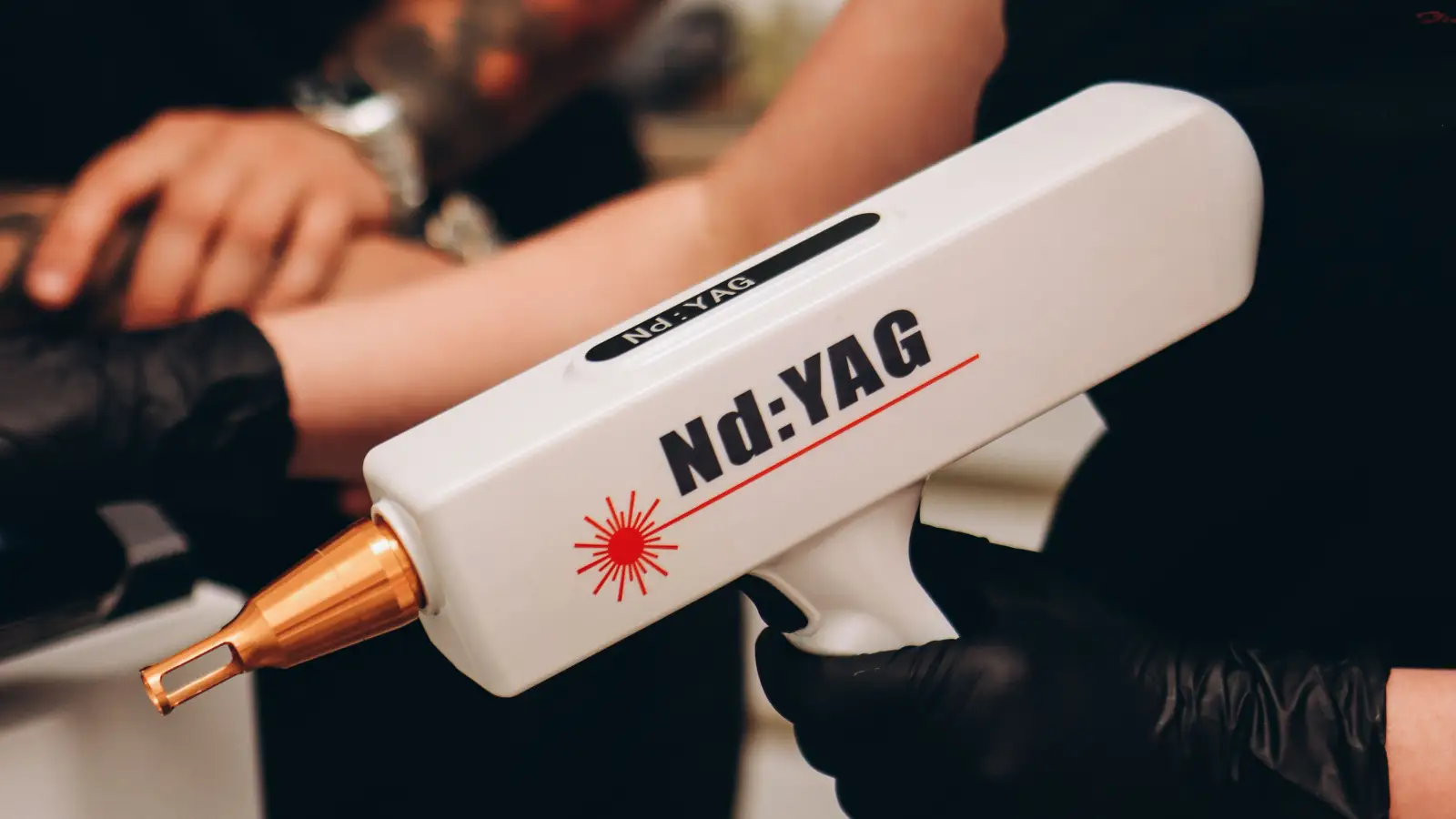
Nd:YAG’s Sweet Spot — and the Depth Where It Starts Mumbling
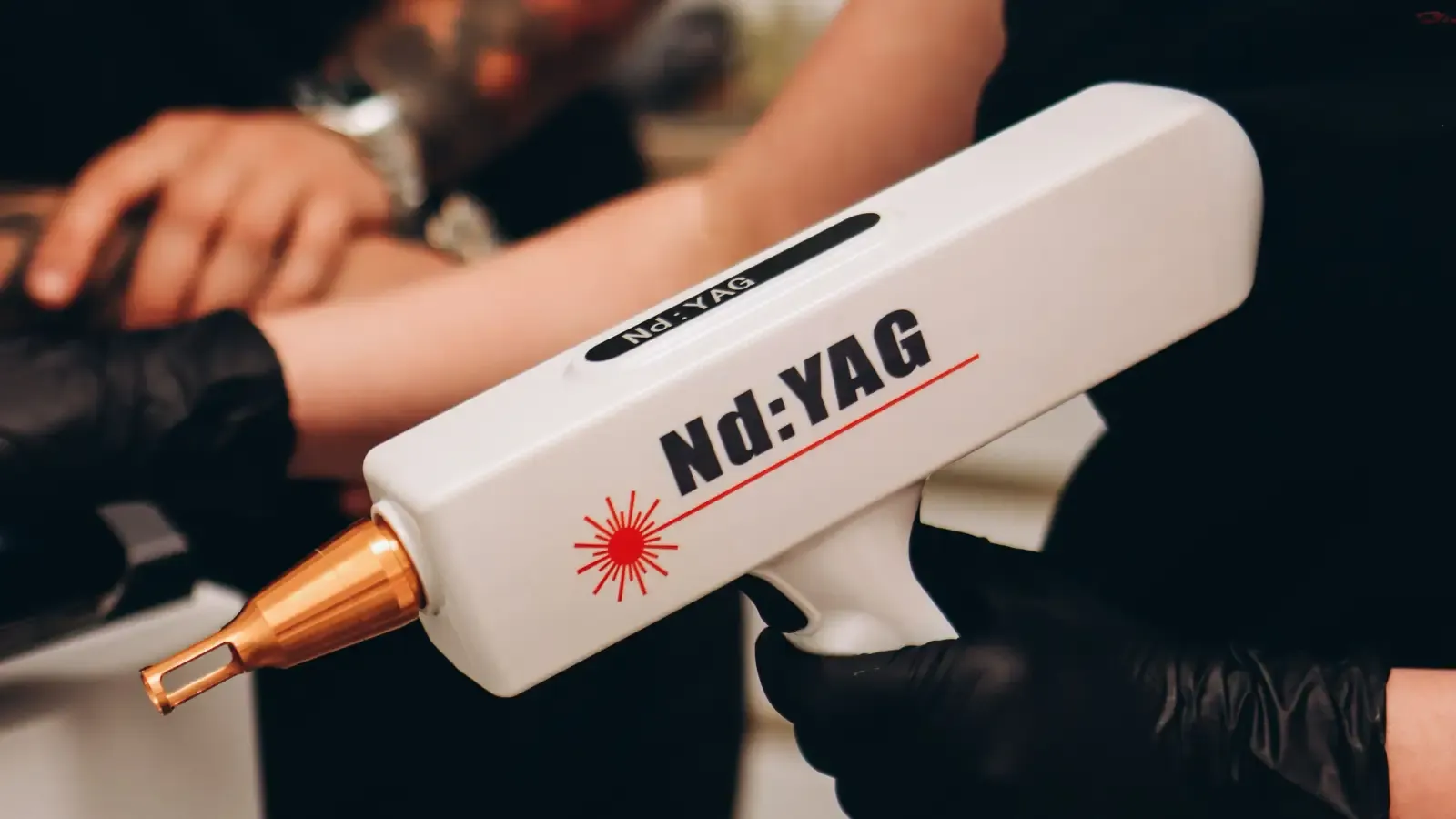
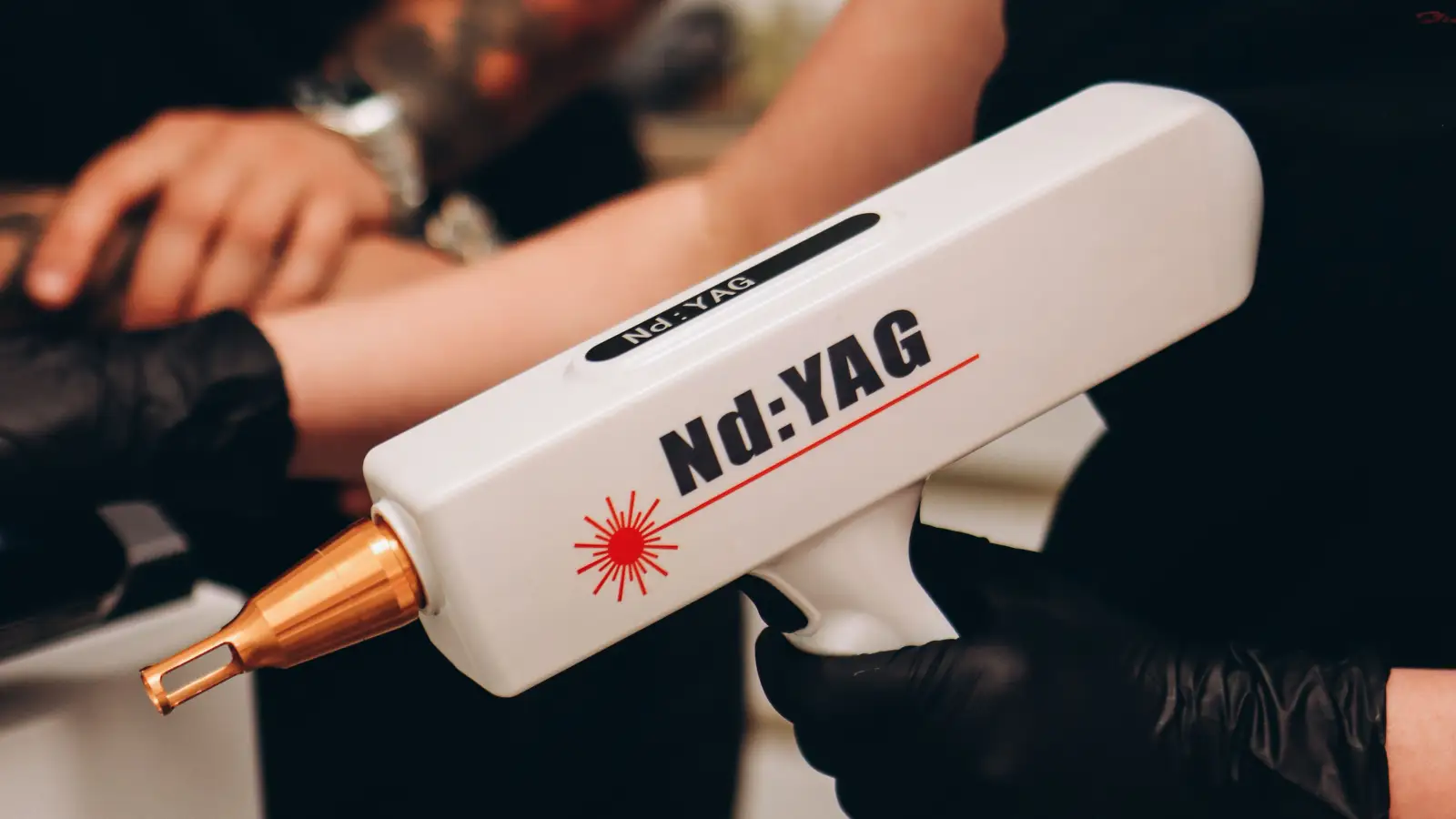
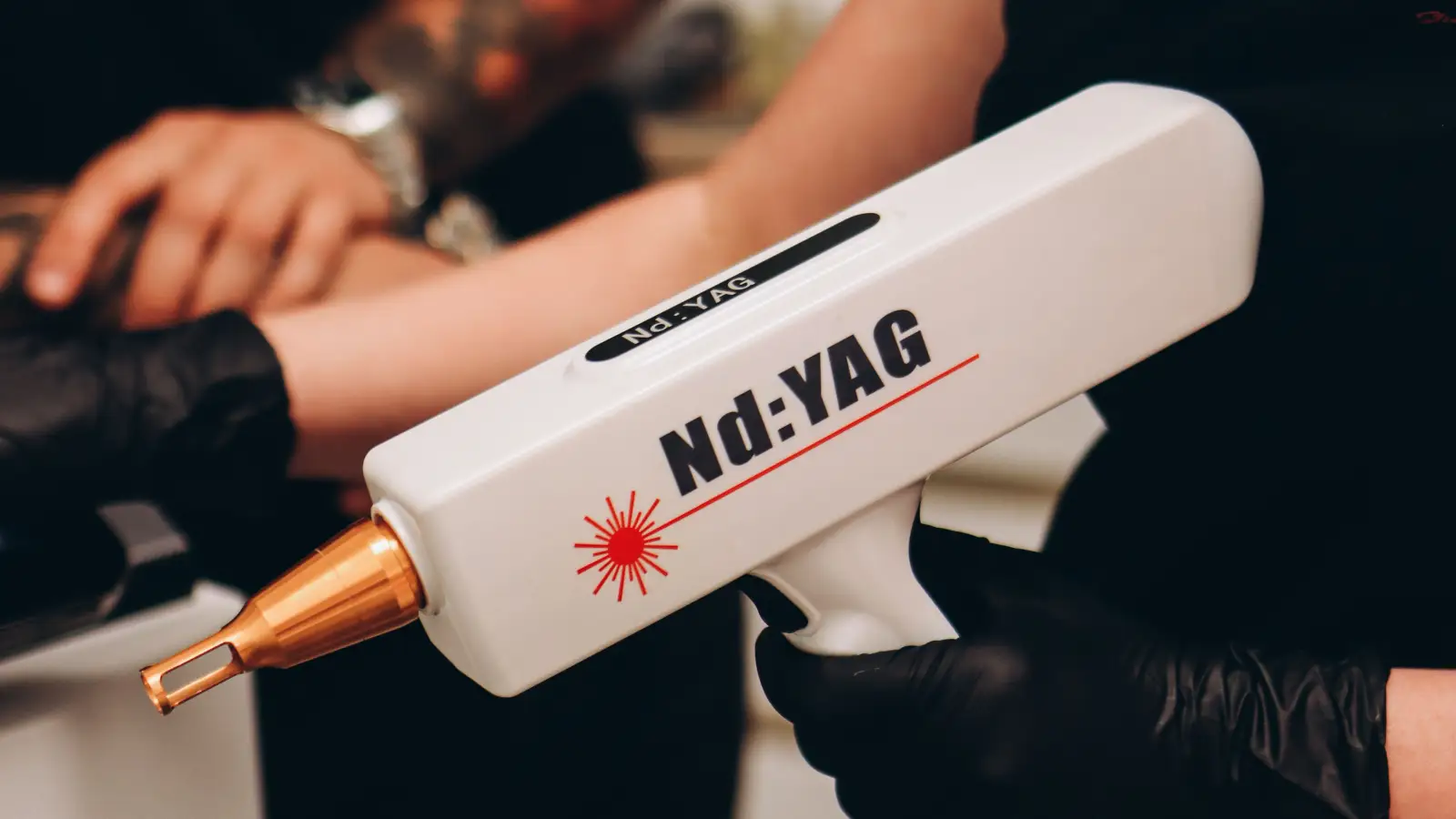
The 1064 nm beam is a long-haul traveler: it slides past the epidermis with modest melanin uptake and deposits most of its energy in the mid-dermis. That’s why a Fitzpatrick V patient with a slate-gray dermal melasma patch can walk away from a Q-switched Nd:YAG session with real fading — the target is in the zone the laser was built for. Add a long-pulsed head and you can even knock back the telangiectatic sidekick that sometimes camps next to pigment. But shift the problem upward — say a crisp-edged lentigo on a Fitzpatrick II cheek, packed with epidermal melanin — and that same 1064 nm wavelength behaves like a disinterested dinner guest. It passes through much of the pigment without enough absorption to fission it cleanly, so you end up with multiple sessions, spotty clearance, and a creeping sense that you’re paying for physics you didn’t sign up for. Nd:YAG isn’t broken here; it’s just on the wrong floor of the skin.
Alexandrite: The Superficial Assassin That Fears a Darker Canvas
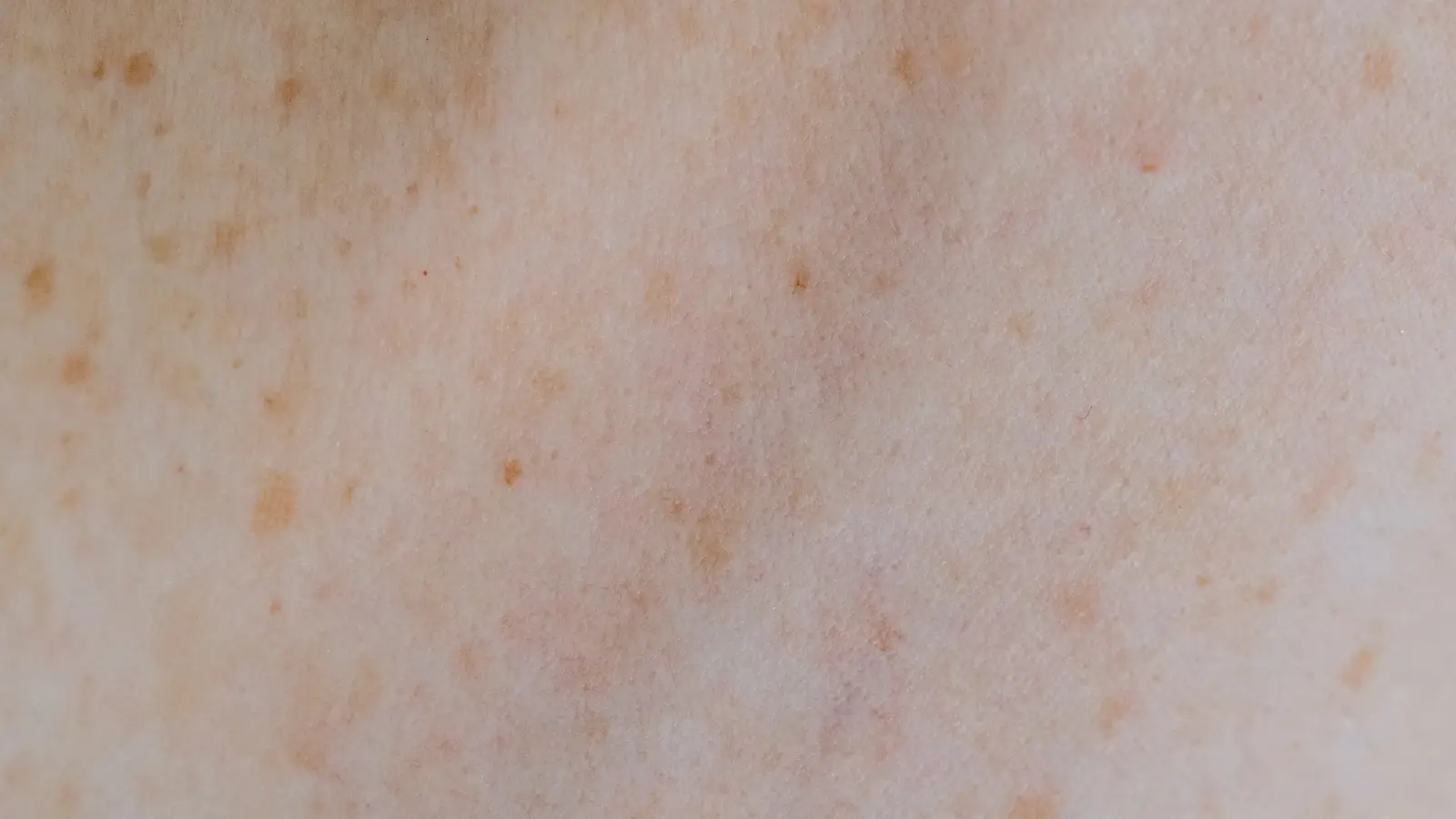
At 755 nm, alexandrite grabs melanin like a magnet — and that’s a double-edged sword. For Fitzpatrick I–III skin carrying solar lentigines, freckles, or those flat seborrheic keratoses that mock your foundation, a Q-switched alexandrite often clears them in fewer passes and with less residual shadow than Nd:YAG could manage on a good day. The operator hears a satisfying snap and the spot fades with almost surgical precision. But turn up the background melanin — Fitzpatrick IV and above — and that same wavelength becomes a bulldozer that can’t distinguish between lesion pigment and normal epidermal melanin. Hypopigmentation, scarring PIH, the whole carnival of bad outcomes lurks under a test spot. Most cautious dermatologists simply won’t use alexandrite on skin that rich in melanin, which is why Nd:YAG still holds the safety crown for darker tones — even when it means slower progress.
Picosecond Lasers: The Melasma Hacker Nd:YAG Wishes It Could Be
Picosecond technology doesn’t just turn the dial faster — it flips the mechanism from thermal cooking to acoustic shattering. A 1064 nm picosecond pulse delivers energy in trillionth-of-a-second bursts, blowing pigment apart mechanically with so little heat that the surrounding melanocytes barely get a memo. For melasma — the shape-shifter that often flares with heat, hormones, or a sideways glance — that’s a game changer. Standard nanosecond Q-switched Nd:YAG at low fluence (“laser toning”) can plateau after a handful of sessions, and a subset of patients will darken anyway because the residual thermal energy still prods the melanocyte into overdrive. Switch to a 1064 nm picosecond handpiece, and that plateau often breaks; clearance jumps from a stubborn 20 percent to a livable 60 or 70 percent without any new risk admission. Nd:YAG isn’t obsolete — it’s just not the same particle physics. When melasma is the driver, a nanosecond Nd:YAG is a coin toss; a picosecond 1064 nm is a more expensive coin with better odds.
The Showdown: Where Each Laser Wins, Loses, and Why
The Depth Trap: Dermal vs. Epidermal Pigment
If your pigment lives in the dermis — a Nevus of Ota, a deep PIH macule, the bottom half of a mixed melasma — Nd:YAG’s 1064 nm beam is the reliable freight elevator. Alexandrite can’t consistently reach there without cranking fluence into the danger zone on tan skin. Picosecond 1064 nm shares that reach and adds the mechanical disruptor bonus, but per-session costs often tilt the equation back toward Nd:YAG when purely dermal, non-melasma targets are involved. For superficial epidermal junk, alexandrite wins on speed and completeness — Nd:YAG only gets the nod when the patient’s Fitzpatrick type makes alexandrite too risky, and even then it’s a slower runner.
Fitzpatrick Fit: The Safety Curve You Can’t Ignore
The safety spectrum is blunt: Nd:YAG can cross from Fitzpatrick I to VI, albeit with less punch on the palest end. Alexandrite’s safety envelope typically closes around Fitzpatrick IV; beyond that, you’re gambling with permanent pigment loss. Picosecond lasers split the difference — a 1064 nm picosecond device is far safer than a 755 nm alexandrite on darker skin, but still requires careful fluence titration and sun-avoidant compliance. The real question isn’t “which is best?” but “what Fitzpatrick band are you standing in?” — and too many patients bypass that question, chasing a device instead of a decision anchored to their own melanin density.
Melasma Match-Up: Heat vs. Shockwave
Melasma is a neurotic overproducer, easily agitated. Q-switched Nd:YAG works through photothermal shattering, which generates heat that can prod the melanosome factory into revenge mode. Picosecond lasers use photoacoustic shattering; the pigment cracks with minimal thermal spill, so the melanocyte stays calmer. If your melasma worsens with heat, saunas, or even a vigorous jog, the nanosecond path may be working against you. In that specific scenario, a picosecond 1064 nm is not a slightly better Nd:YAG — it’s a fundamentally different instrument playing a different tune.
Making the Call: Which Laser Fits Your Map?
For purely superficial solar lentigines on Fitzpatrick I–III skin, reach for Q-switched alexandrite. Nd:YAG can chip away at them, but it’ll take more sessions and likely leave faint ghosts behind. The exception is if you have widespread baseline hyperpigmentation that already makes a provider nervous about collateral loss — then Nd:YAG may be the cautious default, but it’s a safety play, not an efficiency play.
For dermal or mixed melasma on Fitzpatrick IV–VI skin, start with a 1064 nm picosecond laser when access and budget allow. If that’s not feasible, low-fluence Q-switched Nd:YAG is still the workable backup, but watch for darkening after session three — that’s your exit sign, not a green light for higher fluence. Alexandrite should not enter the conversation here; the hypopigmentation gamble isn’t worth the paperwork.
For a single deep dermal mark on medium to dark skin — Nevus of Ota, stubborn dermal PIH — Q-switched Nd:YAG remains the sturdy, evidence-backed choice. Picosecond 1064 nm may accelerate resolution, but the cost differential can be steep; a disciplined Nd:YAG protocol at appropriate intervals can deliver without emptying the bank.
For a mixed field of superficial spots and deeper shadowing on Fitzpatrick III–IV, play the combination game. Use alexandrite on the epidermal lesions first, then switch to 1064 nm picosecond or Q-switched Nd:YAG for the dermal layer, respecting proper spacing. That approach treats depth with its matched tool instead of trying to force one laser to be bilingual.
FAQ
Can Nd:YAG be used on the lightest skin types?
Yes, but it often underperforms on superficial pigment because the low melanin absorption translates to weaker interaction with epidermal melanosomes. On Fitzpatrick I–II patients with actinic damage, alexandrite or even a 532 nm KTP laser can deliver faster, cleaner results. Nd:YAG is safe on pale skin, but safe doesn’t always mean efficient.
Why would a clinic push Nd:YAG for everything?
Some clinics invest in a single laser platform that can legally treat all skin types, and Nd:YAG — with its wide Fitzpatrick range — becomes the default hammer for every nail. That’s a business decision, not a dermatologic one. A clinic that defaults to Nd:YAG without discussing alternatives based on your specific spot type and depth is likely optimizing for device amortization, not your outcome.
Does picosecond Nd:YAG work the same as nanosecond Nd:YAG for melasma?
No. They share a wavelength, not a mechanism. Nanosecond Q-switched Nd:YAG heats and fragments pigment; picosecond Nd:YAG shatters it via photoacoustic effect. For melasma, the difference matters because the reduced heat translates to lower rebound hyperpigmentation risk. A picosecond Nd:YAG isn’t just a faster Q-switched — it’s a different tool with a different risk-benefit profile.
The Verdict on Nd:YAG’s Pigmentation Throne
Nd:YAG holds a critical place in pigmentation treatment — it’s the safest deep-dermal option for skin of color and the workhorse for lesions like Nevus of Ota. But it’s not a universal best. Superficial sun spots belong to alexandrite on light skin; stubborn melasma increasingly belongs to picosecond technology, regardless of the host wavelength. The right laser is a function of your pigment’s address, your skin’s melanin load, and the biological personality of the lesion — not a one-brand loyalty program. Before you book based on a device name, force the conversation to depth, Fitzpatrick, and whether the laser proposed actually speaks your spot’s language.
Pigment Curious
We are people who want to better understand skin pigmentation, dark spots, and how different skin tones respond to skincare and professional treatments. We look beyond simple beauty claims, focusing on scientific evidence, clear explanations, and practical knowledge that helps people make more informed decisions about their skin.