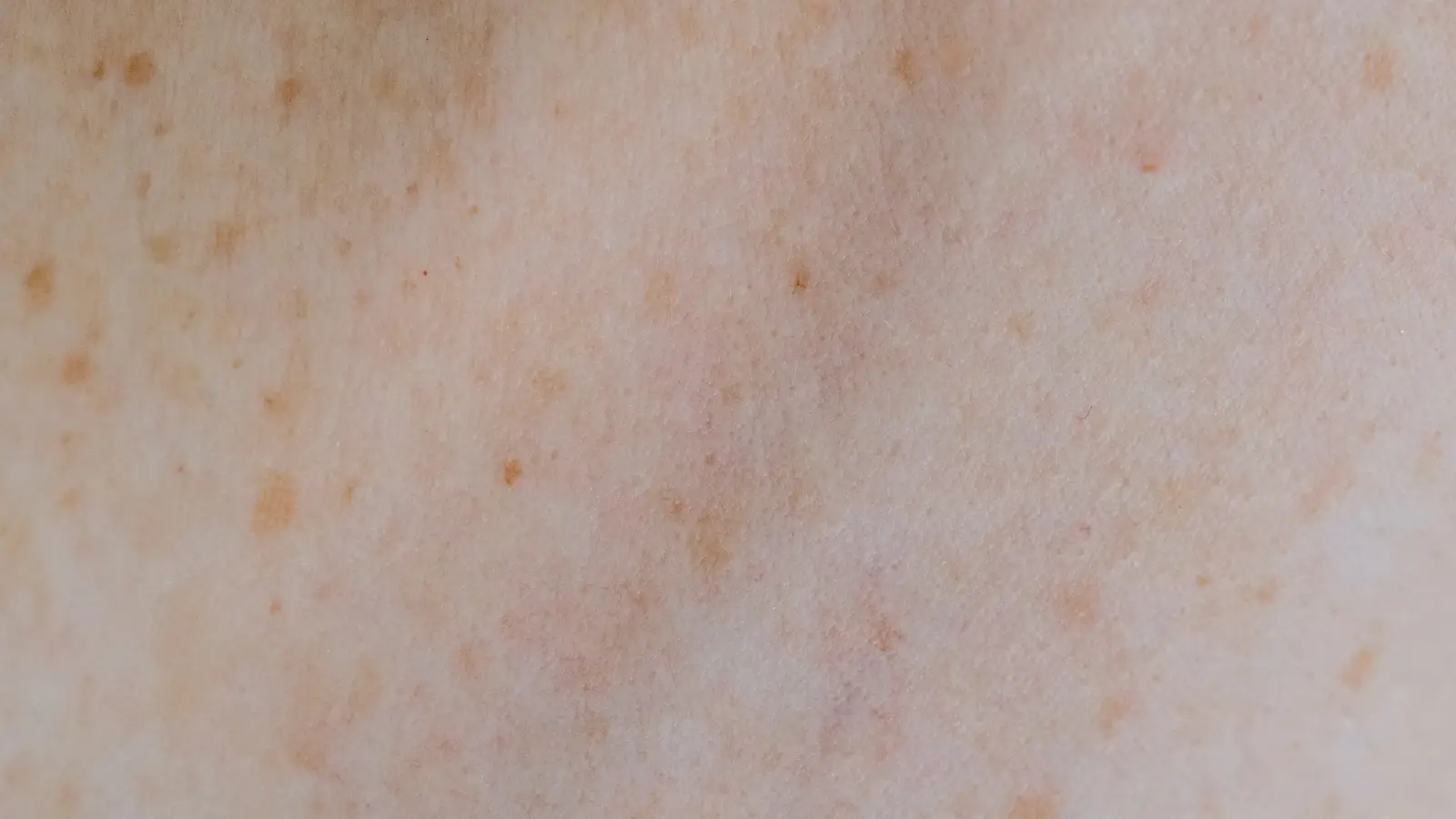
The 1064 nm Wavelength Detail That Changes Spot Treatment
The 1064 nm wavelength reaches dermal pigment while passing through melanin-rich epidermis largely unabsorbed because melanin's absorption coefficient at that wavelength is roughly two orders of magnitude lower than at visible laser wavelengths. This property makes it the safest laser option for spot treatments on Fitzpatrick skin types IV through VI.
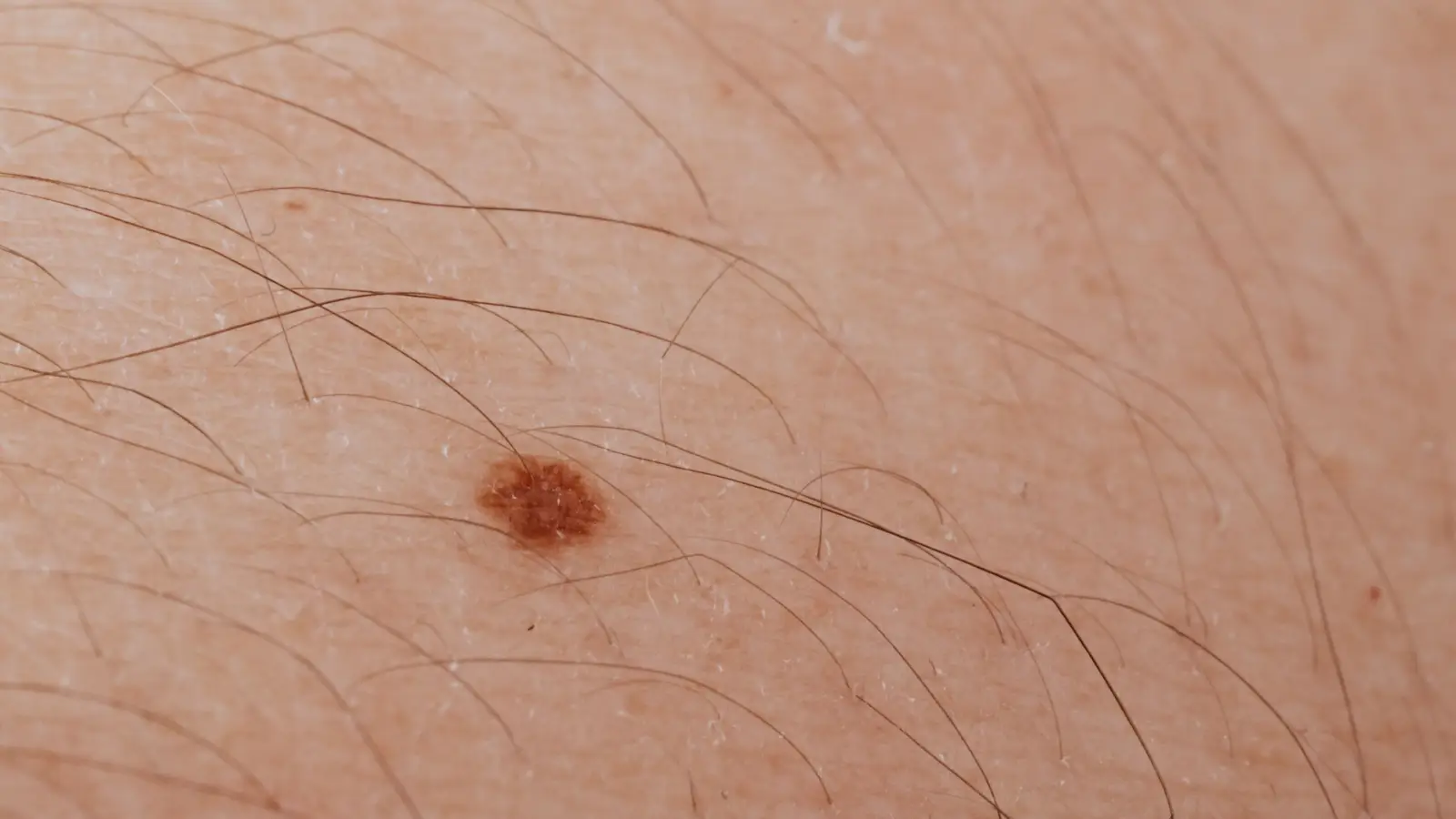
Conventional laser spot removal relies on selective photothermolysis, but that principle alone doesn't account for competing chromophores. In skin of color, any wavelength shorter than about 700 nm is heavily absorbed by epidermal melanin, raising the surface temperature to damaging levels before it penetrates to the target lesion. The 1064 nm laser, emitted by an Nd:YAG crystal, operates in a near-infrared window where melanin absorption is minimal—about 0.1 cm⁻¹, compared to roughly 10 cm⁻¹ at 532 nm. This differential means the epidermis acts as an almost transparent medium, allowing photons to deposit energy in the deeper dermis where pigmented cells reside. The clinical consequence: melasma, Nevus of Ota, and deep post-inflammatory hyperpigmentation can be addressed without the high risk of burns, crusting, or paradoxical hyperpigmentation that shorter wavelengths would cause in melanin-rich skin.
The historical bottleneck in pigment laser therapy was that the wavelengths with the highest melanin absorption also had the poorest depth penetration. Switching to 1064 nm reversed that equation. The optical penetration depth of 1064 nm light in skin can exceed 4 mm, reaching the reticular dermis, while maintaining a temperature rise in the basal layer that stays below the threshold for protein denaturation—provided fluences are appropriately calibrated.
Operational Mechanism: How 1064 nm Light Selects Deep Pigment
Absorption Gap: Melanin's Cross Section at 1064 nm
Melanin's absorption spectrum declines steeply beyond 600 nm. At 1064 nm, the extinction coefficient is so low that most incident photons encounter no melanin before entering the dermis. The energy that does get absorbed is distributed across a larger tissue volume, preventing the rapid thermal buildup that triggers epidermal injury.
Penetration Depth: Reaching Dermal Targets
Because scattering in the dermis also decreases with increasing wavelength, the effective optical penetration depth for 1064 nm in light skin is about 4–6 mm; in darker skin, some attenuation occurs at the basal layer but the beam still reaches the mid-dermis. This is sufficient to target melanin deposits that are invisible to 532 nm or 755 nm lasers.
Q-Switched vs. Long-Pulsed Modes: Photoacoustic vs. Thermal Fragmentation
A Q-switched 1064 nm pulse delivers energy in nanoseconds, generating a shockwave that mechanically shatters pigment granules with minimal heat conduction—preferred for dense lesions like nevus of Ota or tattoos. Long-pulsed (millisecond) 1064 nm relies on gradual thermal diffusion to disaggregate melanin, often at sub-threshold fluences in laser toning protocols for melasma. Both modes exploit the same safety window; the choice hinges on whether the goal is immediate fragmentation or gradual, inflammation-minimizing lightening.
Clinical Decision: When 1064 nm Is Essential vs. Irrelevant
Indications Where 1064 nm Provides the Only Viable Path
- Any dermal pigmentation on Fitzpatrick IV–VI skin, where even low fluences from 532 nm or 694 nm would cause epidermal damage.
- Deep dermal lesions (Nevus of Ota, Hori's macules, dermal melasma) that require penetration beyond the papillary dermis.
- Laser toning for epidermal-dermal melasma in Asian or olive skin, using repeated low-fluence passes that rely on the wavelength's sub-threshold safety.
Cases Where 1064 nm Offers No Advantage and May Be Suboptimal
- Superficial lentigines or solar lentigines on Fitzpatrick I–II skin: a 532 nm or IPL can clear these with fewer sessions and better target-to-surround contrast.
- Fine, superficial ephelides that are within the epidermis—the depth advantage is irrelevant and the lower absorption contrast makes targeting imprecise.
- Patients with a history of paradoxical darkening from laser toning: even 1064 nm can exacerbate melasma in a minority. A test spot is mandatory, and alternatives like topical tranexamic acid should be considered.
Connected Concepts for Context
- Selective photothermolysis: The foundation, but 1064 nm modifies it by prioritizing avoidance of a competing chromophore over peak absorption of the target chromophore.
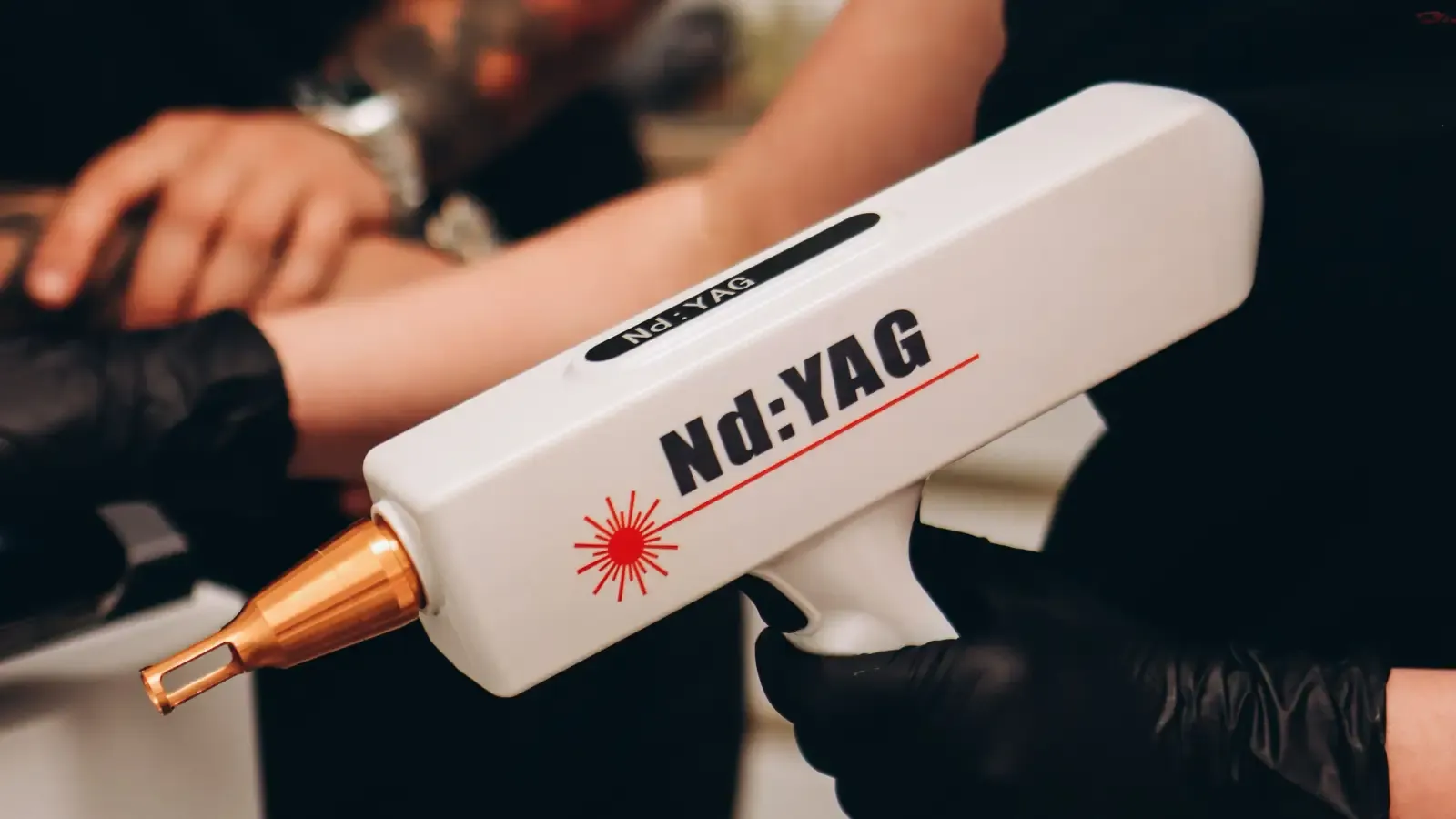
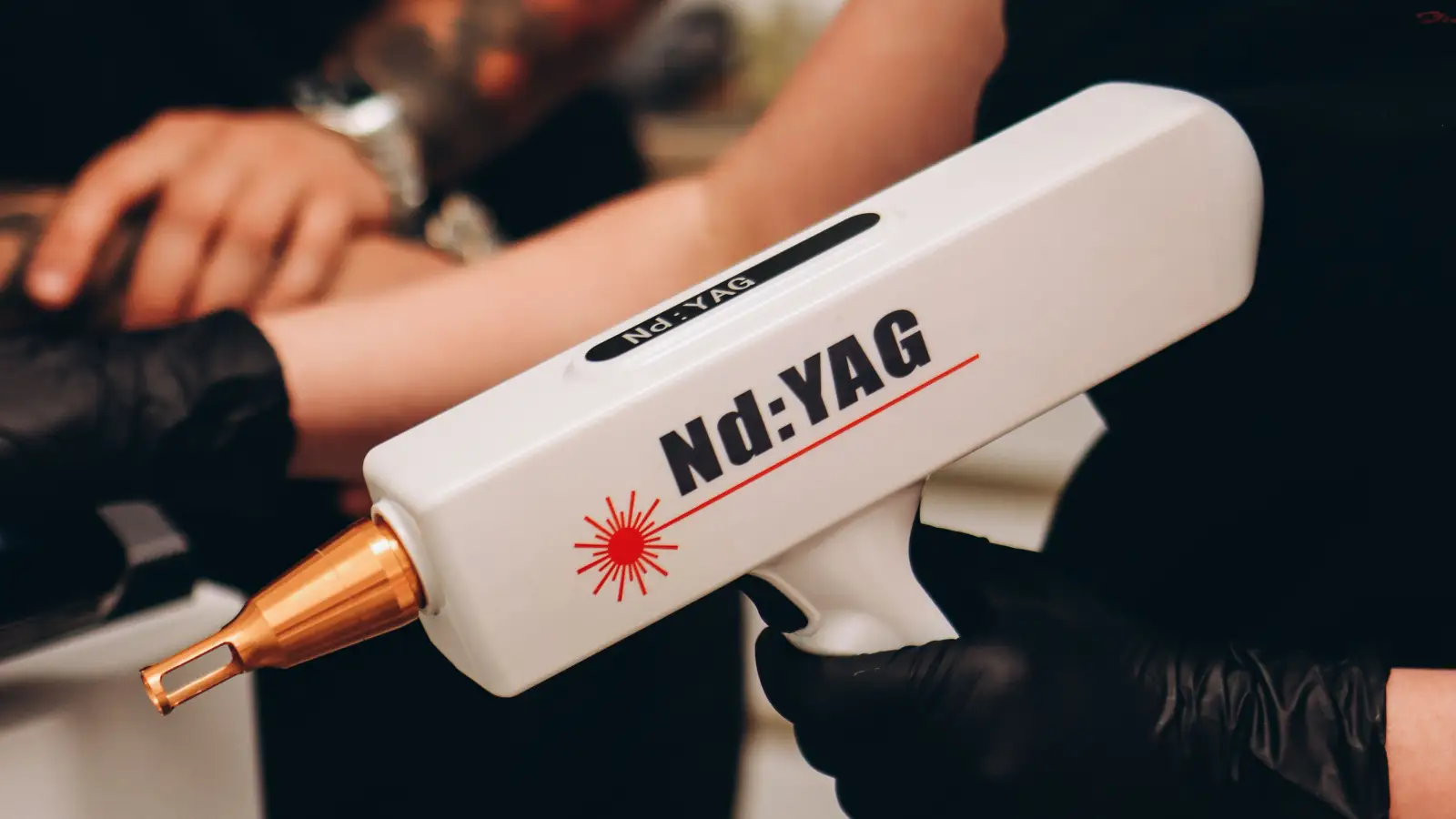
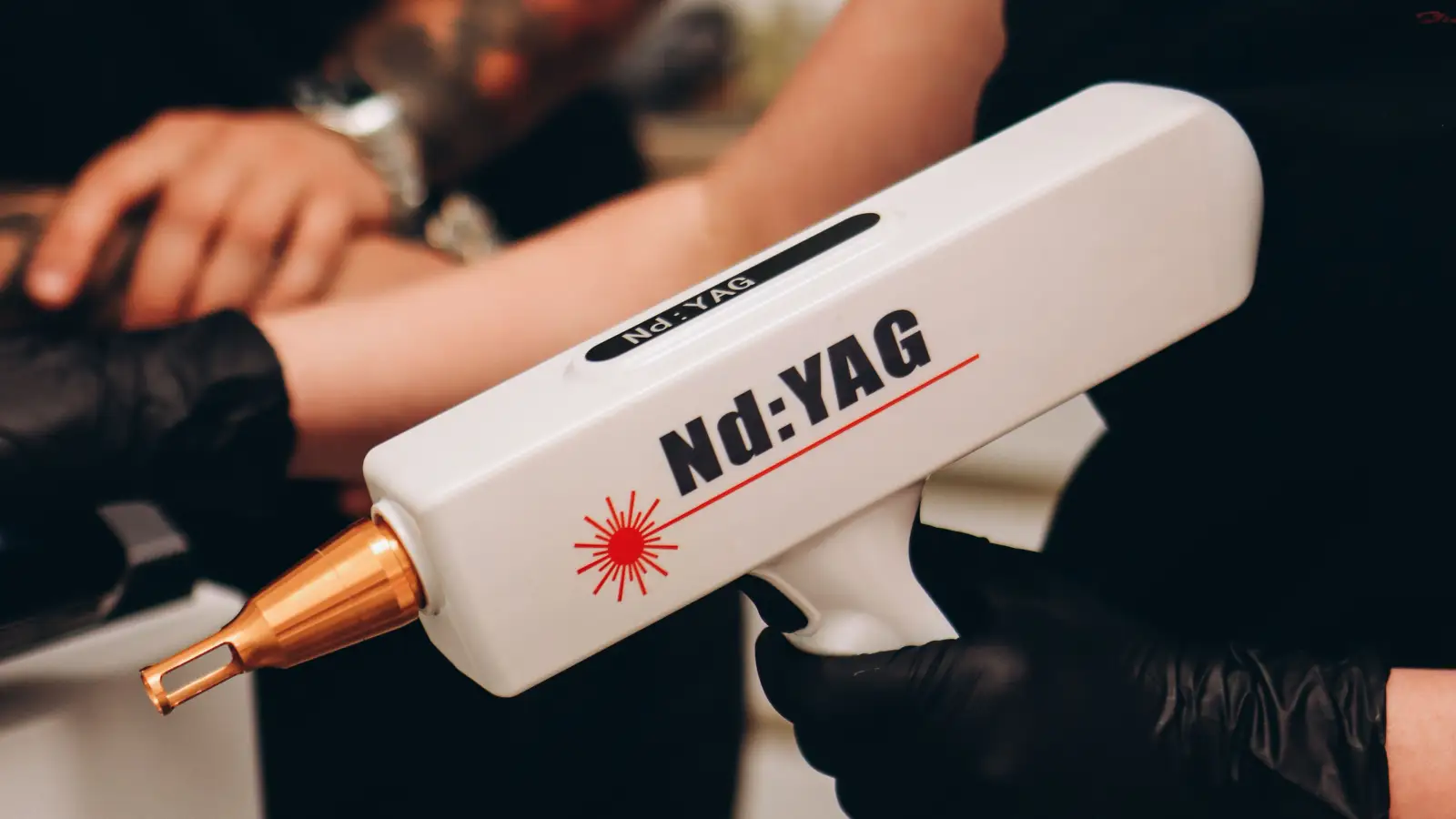
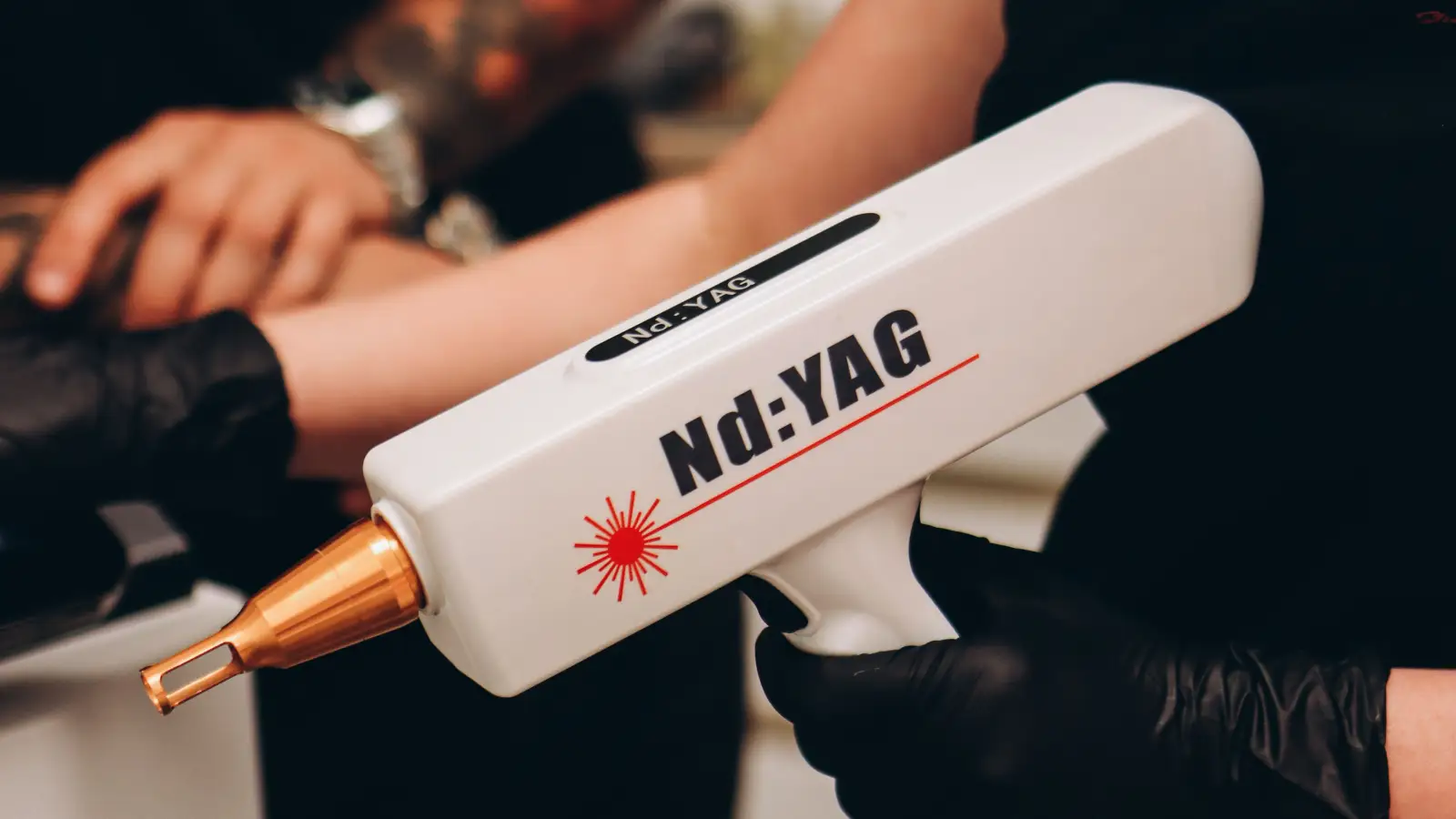
- Nd:YAG laser: The crystal medium generating 1064 nm; available in Q-switched and long-pulsed configurations.
- Melanin absorption spectrum: Shows the exponential drop-off that makes 1064 nm nearly colorblind between light and dark skin.
- Fitzpatrick skin phototype: Determines when 1064 nm shifts from a convenience to a non-negotiable safety requirement.
Common Questions About 1064 nm Wavelength Laser Spot Treatments
Is 1064 nm laser safe for very dark skin?
It's the safest wavelength available for Fitzpatrick types V and VI. Its low melanin absorption drastically reduces epidermal heating. Still, overly aggressive fluence or poor technique can cause hypopigmentation or blistering; provider expertise remains critical.
What types of spots respond best to 1064 nm?
Dermal pigmentation—nevus of Ota, Hori's macules, deep post-inflammatory hyperpigmentation, and the dermal component of melasma. It's less efficient for purely epidermal lentigines unless used in toning protocols.
How many treatments are typically needed?
For deep nevus of Ota, 5–10 sessions. Melasma toning may require 10+ sessions at 1- to 4-week intervals, often with ongoing maintenance. Superficial lesions need far fewer, but at that point a shorter wavelength might be more efficient.
Can 1064 nm make hyperpigmentation worse?
Rarely. Paradoxical darkening can occur in melasma-prone skin if fluences are too high or if aggressive settings cause subclinical inflammation. A conservative test spot is standard practice to avoid this.
How does 1064 nm differ from 532 nm in spot treatment?
532 nm is highly absorbed by melanin, making it effective for superficial spots on light skin but dangerous on darker tones. 1064 nm sacrifices some contrast and speed for safety and depth, making it the default choice for skin of color.
What to Investigate After Mastering the 1064 nm Advantage
The logical next step is determining the depth of the lesion—through Wood's lamp, dermoscopy, or clinical judgment—to confirm that the target is indeed dermal and warrant the 1064 nm approach. Subsequently, device parameters (pulse duration, spot size, fluence) and combination with topical melanin suppressants become the focus. A provider experienced in treating darker skin types will integrate these elements to translate the wavelength's physics into a safe, effective series.
Pigment Curious
We are people who want to better understand skin pigmentation, dark spots, and how different skin tones respond to skincare and professional treatments. We look beyond simple beauty claims, focusing on scientific evidence, clear explanations, and practical knowledge that helps people make more informed decisions about their skin.