Dark spots won’t budge? Microneedling may be your answer
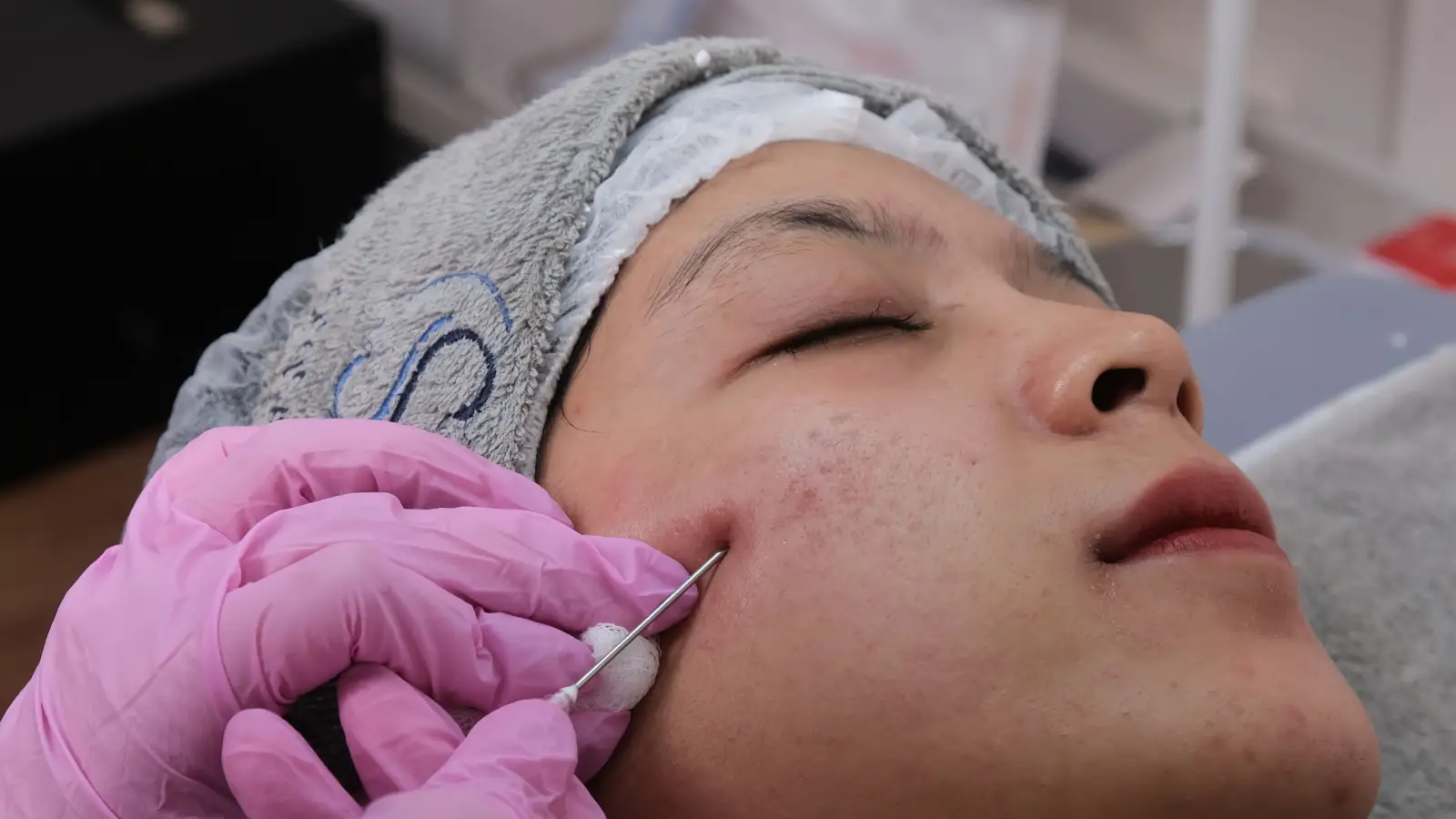
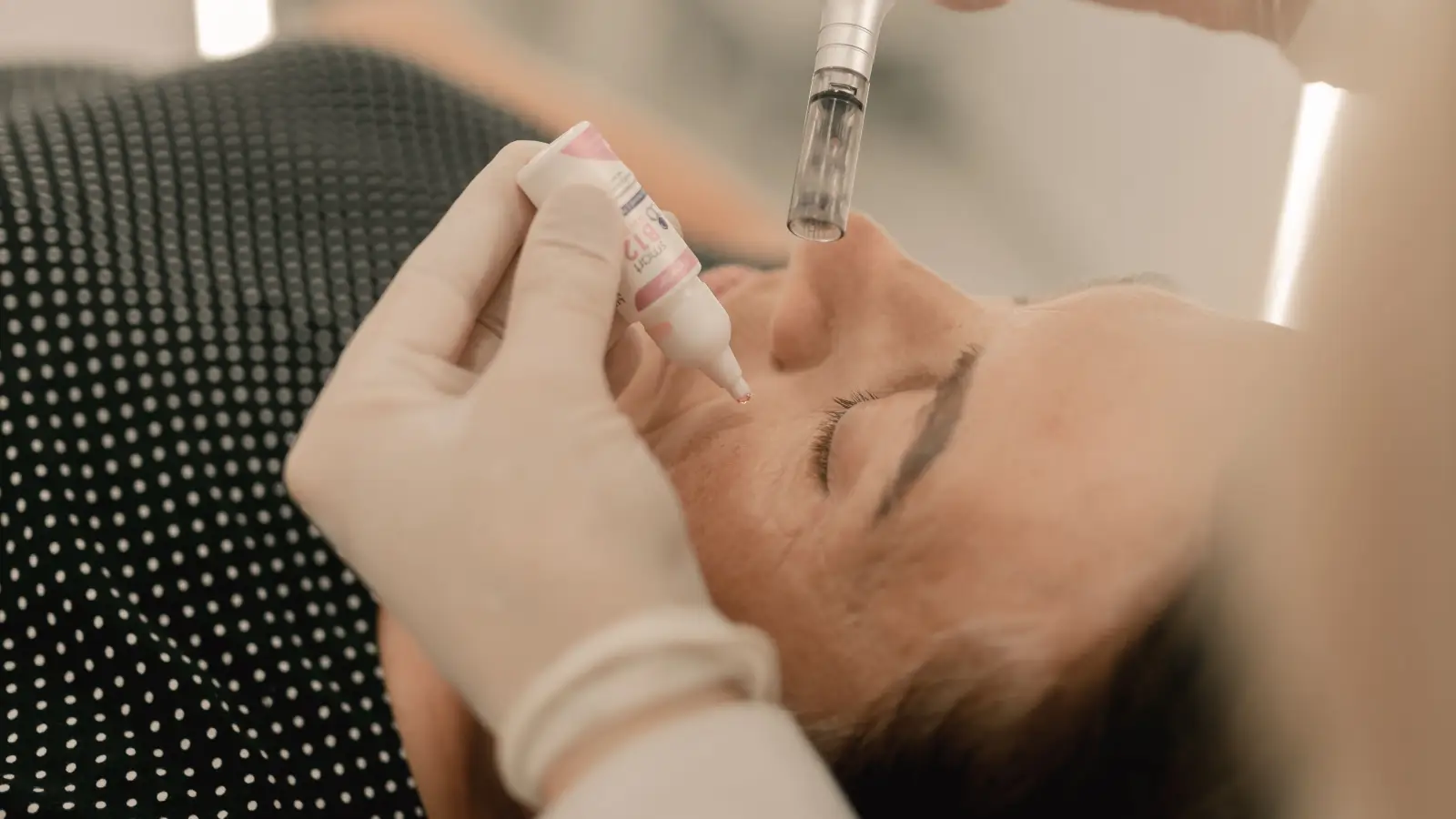
You’ve layered on vitamin C, waited for that kojic acid cream to work, even sat through a few peels. And the spot is still there, unchanged, like a shadow that’s taken up residence. Often, the issue isn’t your effort. It’s that the pigment has settled into a skin layer your topicals couldn’t quite reach. Microneedling offers a way in — a controlled breach of that surface — but it’s not a blanket answer. Its effect on your melanocytes depends entirely on why that spot formed, how deep it sits, and how your skin remembers its own history of wounds. This guide walks through the quiet biological conversation between needles and pigment, so you can decide if it’s one worth starting on your face.
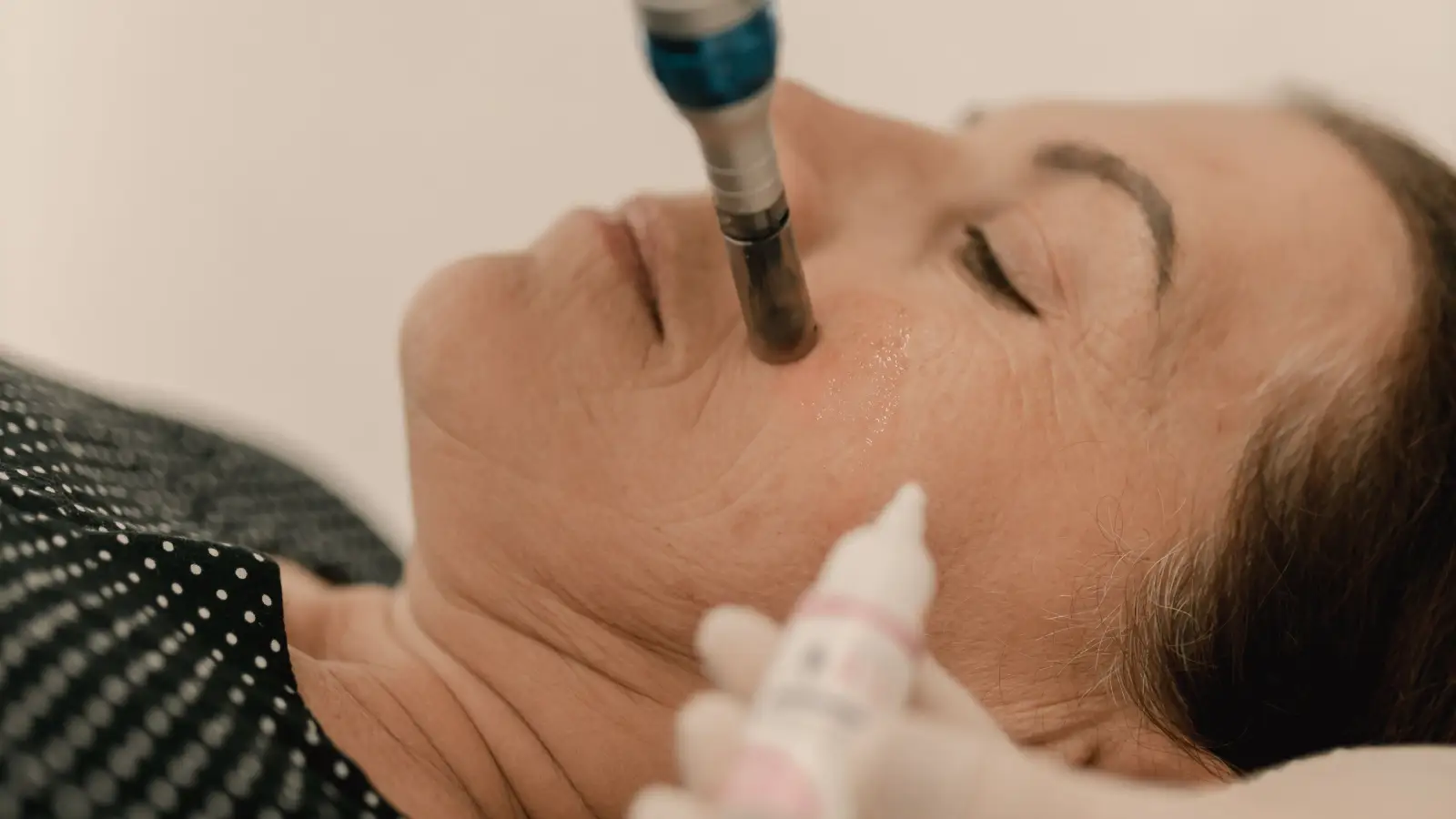
Understanding that conversation means looking at the layers. Microneedling can break up epidermal melanin clumps and signal for new, unblemished cells to rise. But down in the dermis, where melasma sometimes stores its pigment beside tiny vessels, those same needle pricks can sound an alarm that pulls more melanin to the surface. And skin that has learned to over-deliver pigment after any injury — skin that carries its past in every healing mark — will listen to those signals differently. Before any device hums, you need to learn the language your own spots are speaking.
Name Your Spot Before You Treat It: The Three Stories Skin Tells
There’s no mapped route forward until you recognize what kind of pigment you carry. Each type has its own origin, its preferred depth, and its own temperament. Knowing which one you have is the difference between fading and stirring.
Post-acne marks (PIH) that linger long after the breakout is gone
These flat brown, purple, or red marks are the skin’s memory of inflammation. The melanin mostly stays in the epidermis, sometimes dropping into the uppermost dermis. If this is your story, your path ahead will show you how to use microneedling to gently scatter that trapped pigment and coax a faster, clean renewal — without provoking a whole new round of inflammation.
Grey-brown melasma patches that seem to react to light, heat, and emotion
Melasma often appears as a symmetrical stain across the forehead, cheeks, or lip. It’s a complex weave of hormonal signals, sun exposure, and dermal vasculature. For you, the journey ahead is deliberate and hushed. Microneedling can help — if you keep it so shallow it barely whispers, and only when paired with ingredients that quiet melanin production. Go deeper, and you risk waking something that spreads.
Flat brown sunspots (lentigines) from years of unprotected days
These are like old photographs developed slowly by UV light, the pigment clustered in the lower epidermis and upper dermis. Your path will illuminate how microneedling can physically break that clustering, but it will also ask something difficult of you: an absolute, almost monastic commitment to shielding your skin from the sun, because these spots know how to return.
The Pathway: Listening to Your Skin, Layer by Layer
Each leg of this journey brings you closer to a quiet certainty — a point where treatment stops being a guess and becomes something your own skin has already agreed to.
Leg 1: Trace the Depth and the Trigger
The goal: Hear where the pigment lives. Epidermal spots feel close, with sharp borders and warm browns. Dermal pigment is a cool, greyish haze that doesn’t respect edges. The trigger — a pimple, a hormone shift, a decade of midday walks — tells you how deeply the melanin is rooted and whether it might keep coming.
Concrete actions:
- Study your spots in bright, indirect light. Let your fingers gently stretch the skin — does the darkness seem to lie flat and immediate, or does it retreat behind a bluish veil?
- Reconstruct the timeline. Did this mark appear after a breakout, a pregnancy, a new contraceptive? Melasma has a biography; PIH has a culprit.
- If you can, visit a dermatologist for a Wood’s lamp exam. Under its glow, dermal pigment fades from view while epidermal pigment becomes bolder. That revelation alone can redirect your entire plan.
Milestone: You can look at your reflection and say, “This is epidermal PIH from my cystic breakout last fall,” or “This is dermal melasma activated by my oral contraceptive.” The guesswork ends here.
Leg 2: Gauge Your Skin’s Temperament
The goal: Understand not just your Fitzpatrick number, but your skin’s emotional memory — how it reacts to injury, how readily its melanocytes pour out pigment when the barrier is breached.
Concrete actions:
- Identify your Fitzpatrick type (III–VI carry progressively more watchful melanocytes), but don’t stop there. Think back to a small scar, a scratch, a biopsy. Did it heal clean, or did it leave behind a stubborn brown badge?
- Request a patch test. Let a provider needle a tiny, discreet area at the depth you’d use, then wait. Four to six weeks, not days. You’re looking for the slow bloom of post-inflammatory hyperpigmentation. If it appears, you have your answer without the cost of a whole face.
Milestone: You know your individual PIH risk not as a statistic, but as a truth your skin has already shown you. You can tell a provider, “I heal with marks,” and have that be the starting point, not a surprise.
Leg 3: Align the Needle’s Reach with Your Spot’s Architecture
The goal: See exactly how a needle at 0.5 mm, 1.0 mm, or 1.5 mm speaks a different sentence to your melanocytes. The right depth can dismantle pigment; the wrong one can summon more.
Concrete actions:
- For PIH: A depth of 0.5–1.0 mm is often enough. The needles disrupt melanin clumps in the basal layer and signal the skin to shed and rebuild. The action is direct, physical — scattering pigment particles and waking up fibroblasts. It’s a repair signal, not an alarm.
- For lentigines: These may need 1.0–1.5 mm to reach the dermal foothold, but with that comes a stern condition. Sun exposure during the healing weeks will re-anchor that pigment deeper. One unprotected hour can undo the needle’s work.
- For melasma: Here, restraint is everything. Needle depths above 0.5 mm risk provoking the vascular and melanocytic hyperactivity that defines melasma. A protocol of 0.25–0.5 mm, used only to deliver a topical anti-pigment agent like tranexamic acid or azelaic acid, may calm and clear. Without that ingredient partner, microneedling is like throwing a match into a dry field.
Milestone: You hold the logic: “My PIH will respond to physical dispersion at 0.75 mm, but my melasma demands a depth of 0.3 mm with a tyrosinase inhibitor — otherwise, I’m fueling the flame.”
Leg 4: Build a Procedure Plan That Protects Your Melanocytes
The goal: Turn insight into ritual. Every choice — from provider to post-care cream — either soothes the melanocyte or provokes it.
Concrete actions:
- Choose a practitioner who listens. They should ask about past hyperpigmentation, show you photographs of patients whose skin resembles yours, and agree to conservative depths. If they dismiss your PIH history, leave.
- Verify the needle depth for each facial zone; thin-skinned areas like the eyelids and upper cheeks demand shallow passes.
- Two to four weeks before: stop retinoids, exfoliants, sun exposure. Start a mineral SPF 50+ as a daily ritual. Think of it as quieting your cells before the event.
- After the session: gentle cleanser only. A peptide or growth factor serum to signal healing, a zinc-based physical sunscreen that forms a shield, and nothing else. No actives, no squeezing.
- Space treatments a full 3–6 weeks apart. The skin’s silence after needling is productive; rushing back in is not.
Milestone: You arrive at your first appointment with a written list: target depths, approved topicals, and a care routine that you and your provider have agreed upon — nothing left to chance.
Milestones Checklist
- I can name the type of dark spot I have and its depth — epidermal, dermal, or mixed.
- I know the original trigger and whether it’s still active in my life.
- I know my Fitzpatrick type and my personal history of post-injury darkening.
- I can explain, in a sentence, why microneedling would help or harm my specific spot based on needle depth and melanocyte reactivity.
- I have chosen a provider who understands hyperpigmentation on my skin tone and we have agreed on exact needle depths.
- I have started a sunscreen routine I will not break.
- I understand this is a series spaced 3–6 weeks apart, not a one-session fix.
What to Ignore for Now
Combination peels and needling in the same session. Some clinics offer them as a time-saver, but until your skin has experienced microneedling alone and you know how it heals, adding an acid is a provocation you can’t predict. Revisit only after two uneventful standalone sessions.
At-home roller devices for melasma. The depth variation on a manual roller is too broad, and the pressure your hand provides is unmeasured. For a condition as temperamental as melasma, this is like trying to whisper with a megaphone. Wait until a professional has mapped your exact safe depths and even then, tread softly.
Hydroquinone or other potent lighteners right after needling. Microneedling massively increases absorption. A strong tyrosinase inhibitor applied too soon can trigger irritation, redness, and a paradoxical darkening. Let the skin reseal with peptides and physical SPF first. Introduce brighteners only when the barrier is intact again — typically after 5–7 days.
Laser toning before pigment classification. Many people move to lasers hoping for faster clearance, but if you have melasma, laser can scatter pigment deeper or spark more melanin. Microneedling, when properly selected, can be a gentler first option. Reserve lasers for after a Wood’s lamp or dermoscopy gives you a definitive depth read.
Shortcuts & Accelerators
To compress the path, schedule an in-office skin imaging session with a dermatoscope or VISIA system. In minutes, you’ll see a cross-section of your pigment, its depth, and any sub-surface vascular patterns that would otherwise remain hidden. For melasma patients, starting oral tranexamic acid under medical guidance in parallel with planning microneedling can quiet melanocyte activity beforehand, making the needling session less likely to aggravate the skin.
Frequently Asked Questions
Will microneedling make my existing melasma darker?
It can. When needles enter the dermis where melasma’s vascular and melanin stores interweave, they can activate both, leading to a patch that’s larger or deeper in colour. Very shallow needling (<0.5 mm) combined with a topical melanin inhibitor reduces this risk, but it’s never zero. A patch test is non-negotiable.
Is microneedling a safe option for brown and Black skin?
Yes, with a careful approach. Skin rich in melanin has melanocytes that react more quickly to any wound signal. A provider who uses conservative depths, doesn’t over-treat, and insists on broad-spectrum sunscreen dramatically lowers the chance of post-inflammatory hyperpigmentation. Experience with darker skin matters far more than the brand of device.
How long until my post-inflammatory marks start to fade?
For PIH, many patients see lightening after 2–4 sessions spaced 4 weeks apart. The pigment is relatively superficial, so the accelerated cell turnover from needling clears it faster than a topical alone. However, new acne must be under control to avoid adding fresh marks.
Can I use a dermaroller at home for stubborn sunspots?
It’s risky. Lentigines often have a dermal component that requires precise needle depth and pressure to disrupt without scarring. At-home rollers and stamps can create micro-tears, uneven pigment removal, and even tram-track scars. Professional microneedling with verified depths and a sterile, single-use tip is a smarter path.
What’s the right needle depth for my dark spots?
Depth is specific to the spot. PIH: 0.5–1.0 mm. Lentigines: 1.0–1.5 mm with fanatical sun protection. Melasma: 0.25–0.5 mm, only as a delivery vehicle for anti-pigment agents. Treating the thin skin over the cheekbones or around the eyes at these upper limits risks pinpoint bleeding and prolonged redness.
The Destination and the First Step
When you finally understand your spot — its depth, its origin, its temperament — microneedling stops being a shot in the dark and becomes a quiet, deliberate conversation with your own biology. For the most common starting point, those stubborn post-acne marks on medium to dark skin, the very first action is a call: book a consultation with a provider who will test one small spot at 0.5 mm and wait four weeks with you to watch how it heals. That single, patient test is how you trade worry for clarity.
Pigment Curious
We are people who want to better understand skin pigmentation, dark spots, and how different skin tones respond to skincare and professional treatments. We look beyond simple beauty claims, focusing on scientific evidence, clear explanations, and practical knowledge that helps people make more informed decisions about their skin.