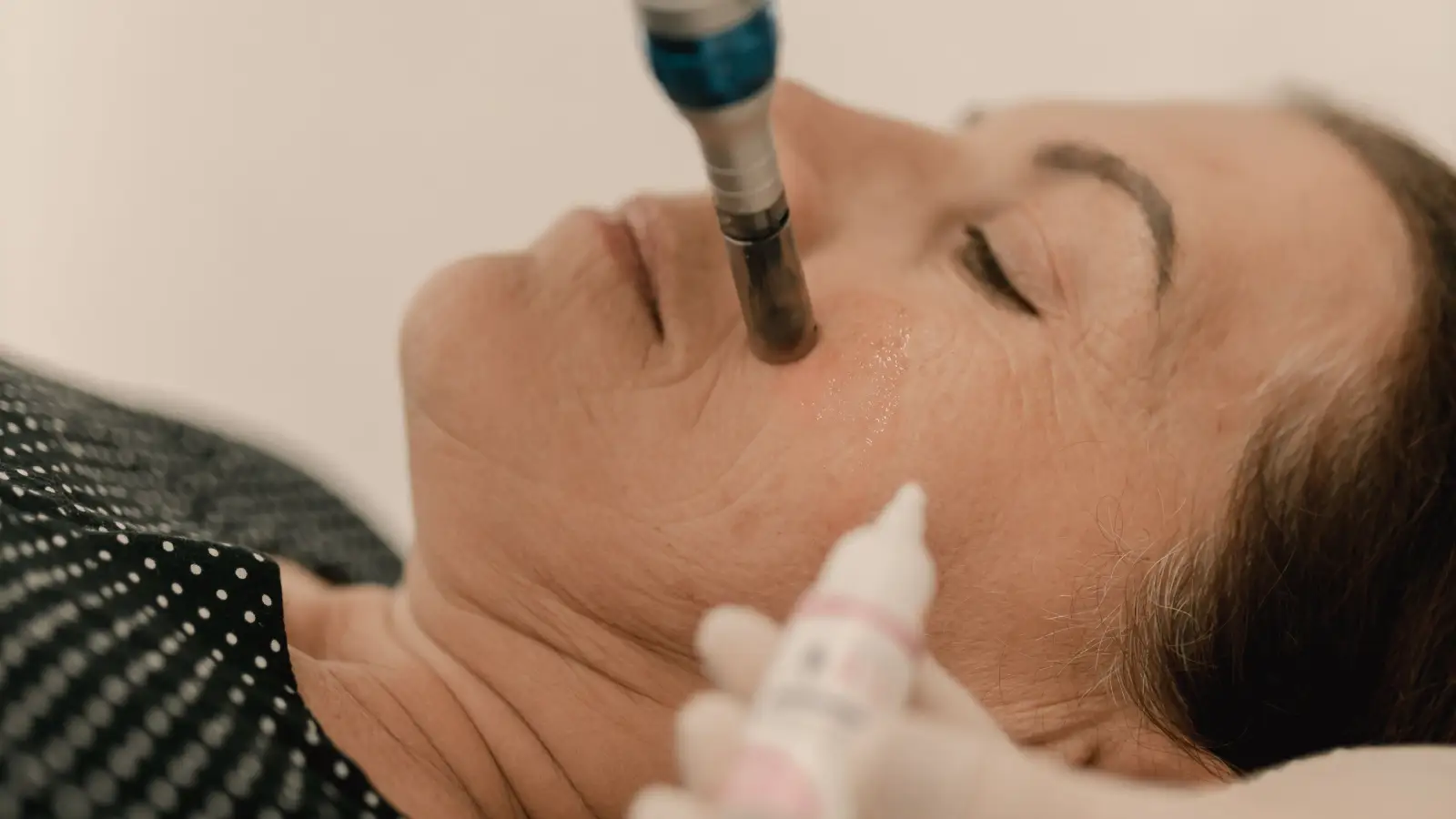
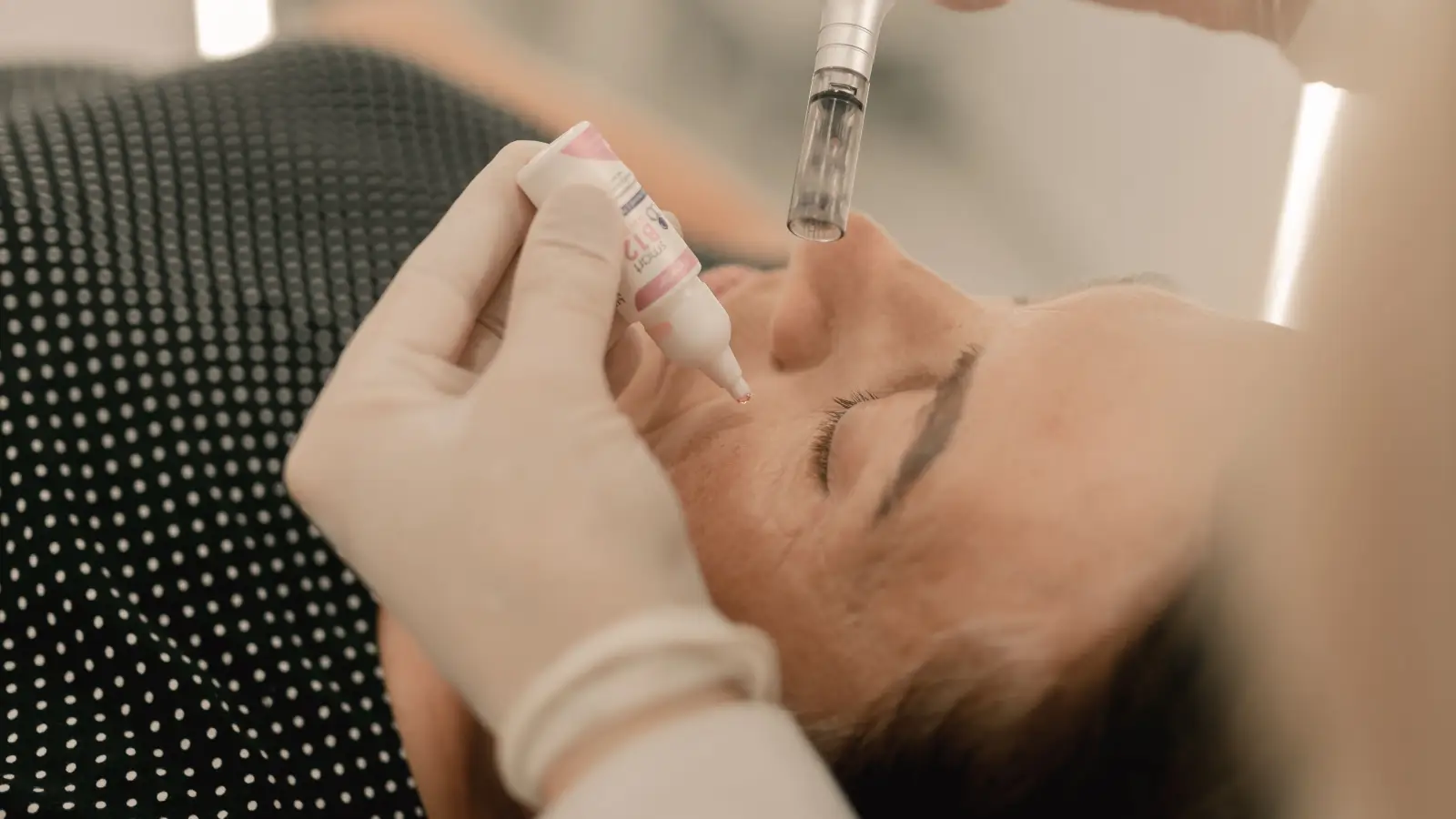
7-day healing after microneedling for dark spots
Microneedling triggers a healing cascade that can visibly reduce dark spots — but in the first week, those spots often look worse, not better. They darken, then flake, then peel unevenly before finally lightening. That sequence is normal when the procedure works correctly. Here is exactly what to expect each day, how hyperpigmented areas change, and when the lightening result becomes measurable.
What Happens to Dark Spots Right After Microneedling
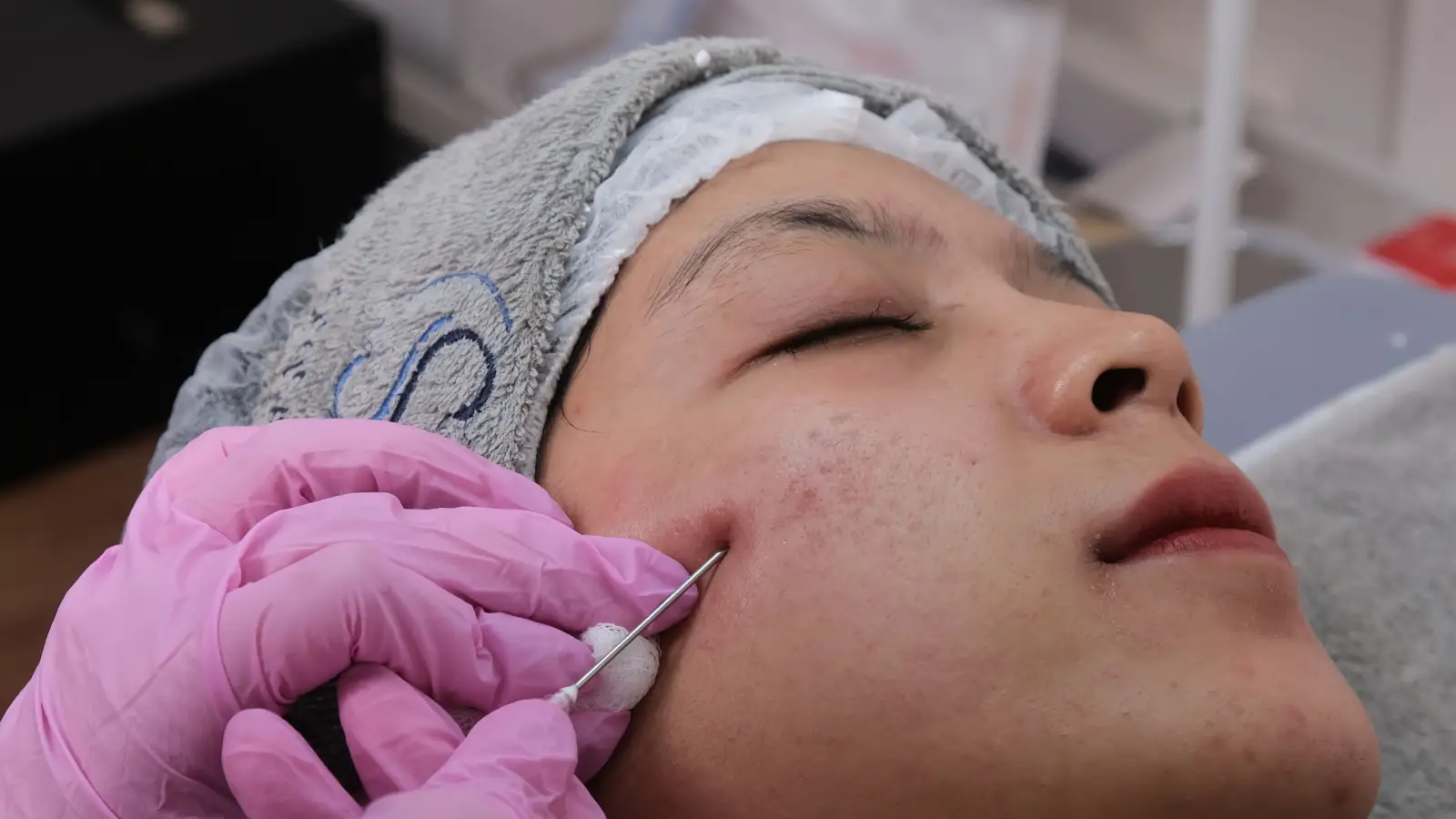
Immediately after treatment, redness and swelling set in and make dark spots appear deeper. The needle punctures temporarily stimulate melanocytes, and a thin film of dried blood and serum collects in the micro-channels directly over the pigment, deepening its color. This superficial darkening signals that the skin is starting the process of shedding pigment-laden cells. It does not indicate failure.
Quick Healing Plan: 4 Steps That Protect Your Results
- Moisturize strategically. Use a bland, fragrance-free moisturizer or hyaluronic acid serum multiple times a day. Dry, cracked skin sheds prematurely and pulls pigment out unevenly.
- Stick to SPF 30 or higher, reapplied every two hours outdoors. UV radiation during the healing window can convert temporary darkening into stubborn hyperpigmentation.
- Keep actives off the skin for at least 5 days. Retinoids, vitamin C, acids, and enzyme exfoliants increase irritation and can disrupt pigment removal.
- Hands off. Do not pick, peel, or scrub flaking skin. Removing flakes too soon leaves raw areas that tend to heal darker.
Day-by-Day Skin Changes and How to Respond
Day 1: Redness and Deeper-Looking Pigment
Skin turns red and feels tight within hours. Dark spots take on a richer stain because micro-crusting of blood and serum sits on top of them. Cleanse with a gentle non-foaming cleanser, pat dry, and apply a thin layer of a provider-recommended healing ointment. The objective is barrier repair, not fading.
Days 2–3: Flaking Begins, Spots Appear Cracked and Mottled
Flaking starts, often around the mouth and nose. Dark patches look like dried mud, with tiny dot-like needle marks visible. This breakup of the outer pigment-loaded layer is a positive sign. Moisturize frequently; if itching occurs, use a cool mist of thermal water. Tinted products and makeup can lodge in open channels and cause irritation — keep them off.
Days 4–5: Peak Peeling and First Uneven Lightening
Flaking is heaviest. Sheets of dead skin release in the shower, revealing pink, raw-looking skin beneath. Dark brown patches now appear lighter in some areas but still cling to pigment in others. That unevenness is typical: you are seeing the transition where lightening becomes visible but not yet uniform. Continue gentle cleansing and moisturizing. A 5% or lower niacinamide serum can be reintroduced; it reduces inflammation and slows pigment transfer without the harshness of acids.
Days 6–7: Lightening Becomes Measurable
Most flaking subsides. Skin feels smoother and the spots that darkened early now look lighter than before treatment. The pink tone fades, and a more even base appears. If the right needle depth was reached, a visible shift is usually present by this point; deep dermal pigment often requires more sessions but still shows early improvement. Stick to moisturizer and sun protection. Tinted mineral sunscreen is acceptable if needed; skip full-coverage foundation.
Beyond Day 7: What Normal Healing Looks Like
Collagen remodeling and pigment clearing continue for weeks, but acute healing closes around day 7–10. Mild pinkness may persist another week. A slight darkening around day 10–14 is often rebound erythema, not real pigment return, and resolves with consistent SPF. Spots darker than pre-treatment at three weeks warrant investigation (see the section on persistent darkening).
When Dark Spots Don't Fade: Reasons and Next Steps
Post-inflammatory hyperpigmentation after microneedling
Aggressive treatment or UV exposure without adequate SPF can overstimulate melanocytes and create new dark patches — a higher risk in Fitzpatrick types IV–VI. If hyperpigmentation fails to lighten by week two or new spots appear in untreated areas, manage it by tightening SPF habits and adding a tyrosinase inhibitor such as tranexamic acid or azelaic acid only once the skin is fully healed (around day 10–14). Discuss reducing needle depth for the next session with your provider.
Infection or improper aftercare
Bacteria entering micro-channels can cause pustules that leave brown marks. Yellow crusting, increasing pain, or warmth calls for medical attention. Aftercare mistakes — using unwashed hands, contaminated tools — are the usual causes.
Underlying melasma triggers
Microneedling may flare melasma, especially when dark spots were the primary target. A spreading butterfly pattern across the cheeks and nose signals melasma may be the true condition. A cautious approach limits needle depth to 0.5 mm or less on dermal melasma and may include oral tranexamic acid under a physician’s guidance.
How to Protect Your Results and Prevent Rebound Pigment
- Avoid sun exposure rigorously for two weeks. Use a wide-brimmed hat, UV-blocking clothing, and mineral SPF reapplied every two hours.
- Reintroduce actives slowly. Wait until day 10–14 before using retinoids or alpha hydroxy acids, and test on a small area first.
- Keep the barrier hydrated. Well-hydrated skin resists inflammation-driven pigment more effectively.
- Pre-treat with a pigment suppressor. When PIH is a known risk, a two-week prep with kojic acid or arbutin before the next session can help.
FAQ
Can microneedling make dark spots permanently worse?
When done correctly on appropriate skin types, no. Temporary darkening is expected, but permanent worsening usually results from unprotected sun exposure or overly aggressive settings. For deeper skin tones, a provider who adjusts needle depth and energy is essential.
When can I apply makeup after microneedling for dark spots?
Wait at least 48 hours and use clean tools. Light mineral makeup over moisturizer is safest. Avoid heavy liquid foundations with silicones that trap heat.
How soon will I see final fading results?
Initial lightening at day 6–7, but full clearance from one session takes 4–6 weeks as the renewal cycle completes. A series of 3–6 sessions spaced 4 weeks apart typically delivers the best outcome.
Is it normal for dark spots to itch during healing?
Mild itching as skin dries and flakes is normal. Intense itching with swelling or hives might indicate an allergy to a post-care product — stop the product and call your provider.
Can I use hydroquinone right after microneedling?
Not without direct supervision. Over open channels, hydroquinone absorbs systemically and raises the risk of ochronosis, a paradoxical darkening that is hard to reverse. Most protocols delay hydroquinone until the skin has fully resealed, around day 10–14.
If Nothing Improves
When dark spots remain unchanged or worsen after 4–6 weeks despite strict SPF and aftercare, return to the treating provider. They can verify needle depth suitability for your skin type and consider adding a superficial chemical peel one month after microneedling for a combined effect. A dermatologist can prescribe compounded pigment suppressors that hit multiple steps in melanin production. In rare cases, a 1064 nm laser may be an option, but it requires expert handling to avoid rebound hyperpigmentation in darker skin.
Pigment Curious
We are people who want to better understand skin pigmentation, dark spots, and how different skin tones respond to skincare and professional treatments. We look beyond simple beauty claims, focusing on scientific evidence, clear explanations, and practical knowledge that helps people make more informed decisions about their skin.