What top derms pick for dark spots: microneedling vs. peel vs. laser
No single device clears sun spots, melasma, and post-acne marks equally. Dermatologists play a matchmaker: they slot the right tool to the pigment type, your skin tone, and your tolerance for downtime. The decision tree below is the same logic top derms run through before they ever pick up a handpiece. It weighs microneedling, glycolic peels, IPL, and non-ablative lasers against speed, safety, cost, and the number of sessions you’ll actually need.

Verdict by Scenario
| Your Dark Spot Type | The Winner (Derm’s Go-To) | Why |
|---|---|---|
| Sun spots on fair-to-medium skin | IPL or non-ablative laser | Clears superficial pigment fast, with 1–2 days of mild redness. |
| Melasma, any skin tone | Microneedling or low-fluence non-ablative fractional laser | Heat worsens melasma; these modalities don’t dump bulk heat into the skin. |
| Post-acne marks on medium-to-deep skin | Microneedling alternated with glycolic peels | Fades pigment without heat; improves texture; won’t restart inflammation. |
When Sun Spots Are Your Main Concern
Sun spots on fair skin respond fastest to IPL or a non-ablative fractional laser. IPL blasts superficial melanin in 2–4 sessions ($300–$600 each) with one afternoon of pinkness and a day or two of pepper-like flaking. Non-ablative lasers (1927 nm thulium, Clear + Brilliant) hit a bit deeper in 3–5 visits ($400–$800 per session), offering similar downtime.
The trade-off: once skin hits Fitzpatrick IV or carries a melasma history, IPL becomes a liability. Heat can trigger rebound hyperpigmentation that leaves spots darker. For olive and deeper tones, the safe bet is a non-ablative fractional laser run on conservative settings—or ditching light-based devices for a series of gentle peels and microneedling.
When Melasma Is the Diagnosis
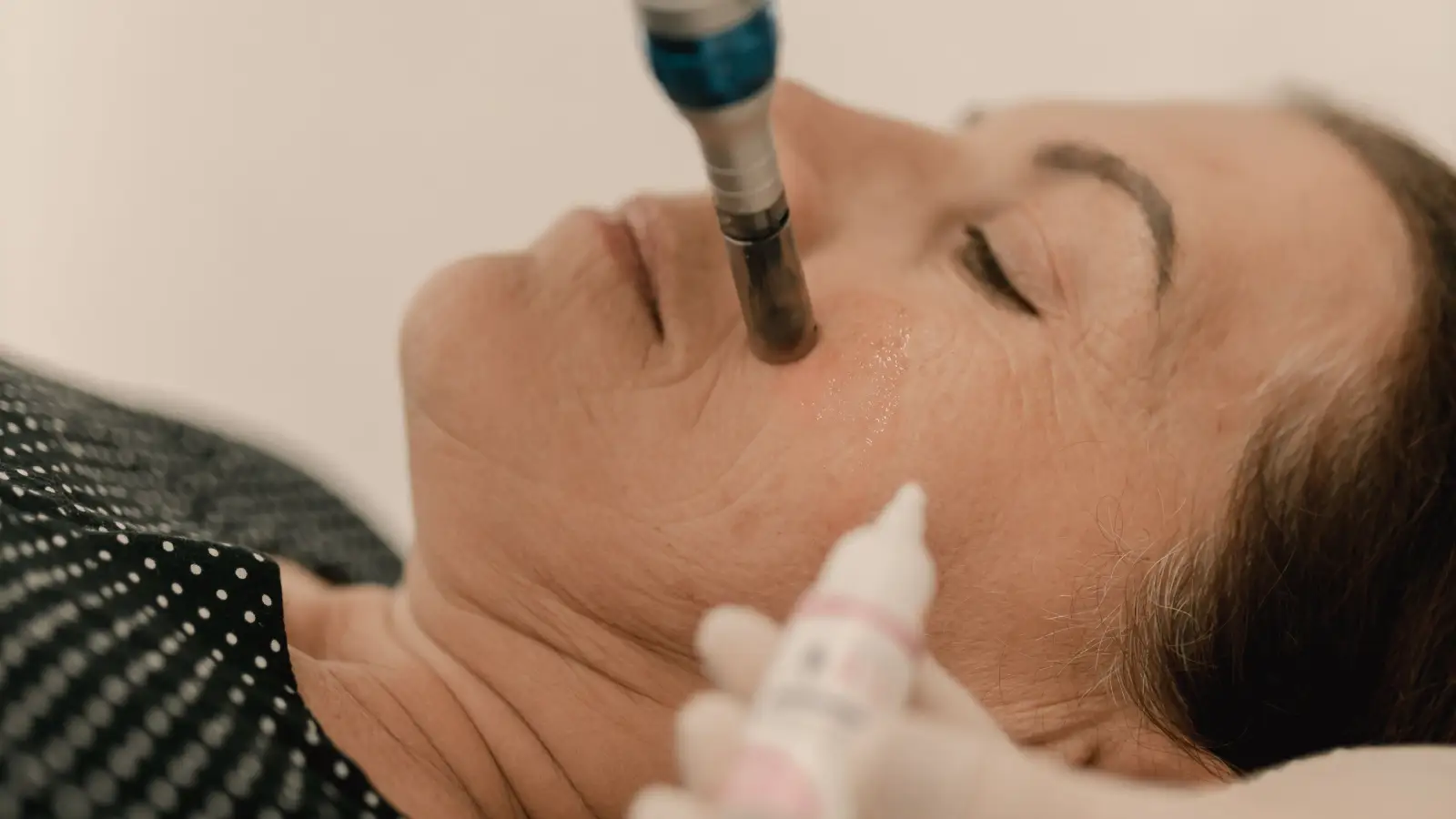
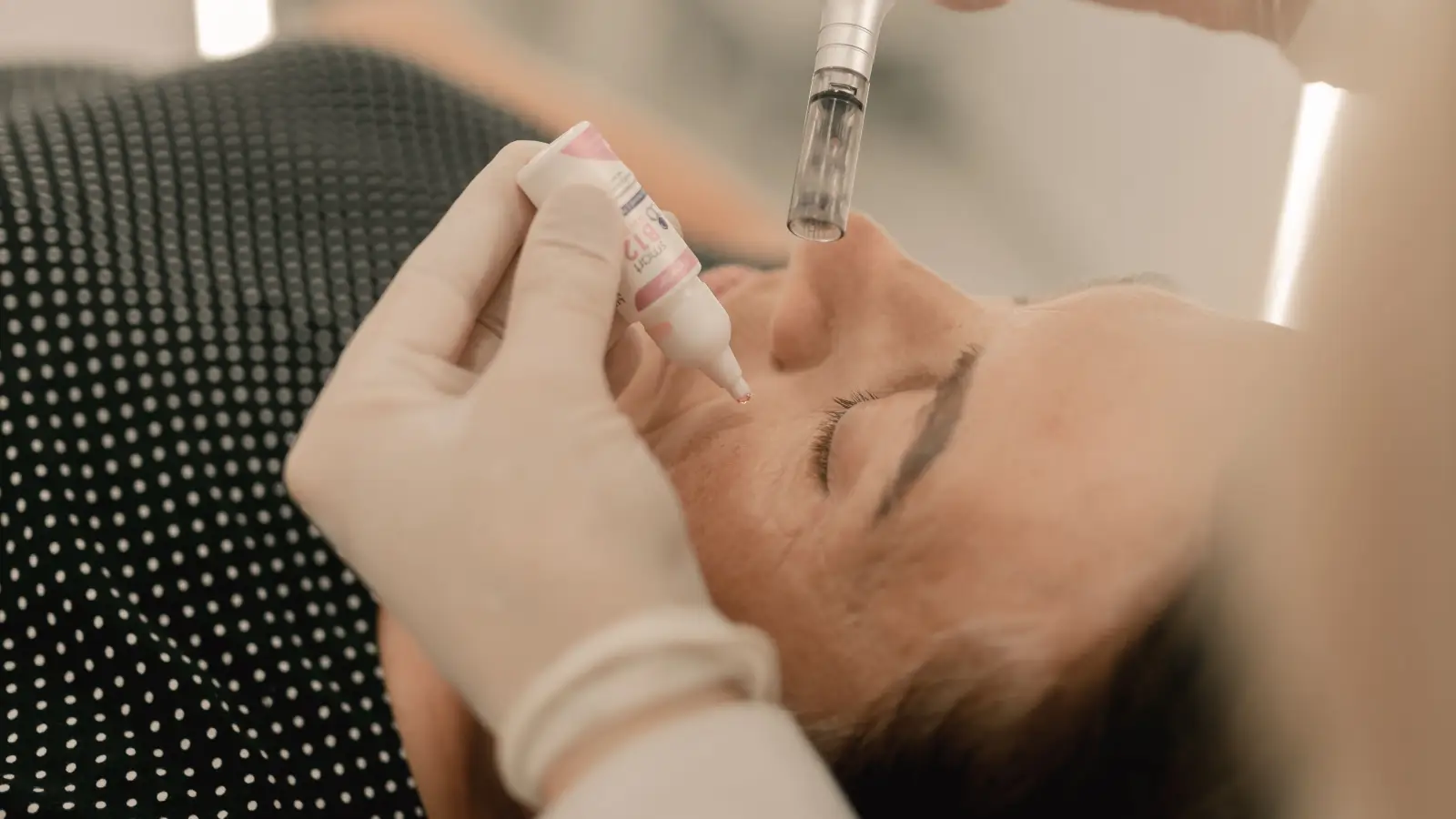
Melasma is heat-sensitive. That alone bans standard IPL and aggressive peels from the playbook. The first-line winners are microneedling and low-fluence non-ablative fractional lasers. Microneedling punctures skin without bulk heat, kicking off a repair cascade that can gradually break up dermal pigment over 4–6 sessions ($200–$400 each). Some clinicians layer topical tranexamic acid onto the channels for an extra push. A 1927 nm laser on low settings fades melasma without the thermal spike that fuels rebound.
The cost of safety is speed. Melasma won’t vanish in two appointments. It demands a series of four to six treatments spaced six weeks apart, plus ironclad sun protection and topical maintenance. You sacrifice the quick-hit clearance IPL might deliver to sun spots, but you sidestep the risk of making melasma permanently worse—especially critical for medium, olive, and deeper skin.
When Post-Acne Marks Won’t Fade
Post-inflammatory hyperpigmentation lives in skin that overreacts to insult. The only rule that matters here is: don’t reignite the fire. Microneedling paired with glycolic peels on alternating weeks does the job without heat. Needling fragments pigment clumps and stimulates collagen; a 30–50% glycolic peel lifts surface discoloration. Together they improve tone and texture in 4–6 sessions ($200–$400 per needling, $150–$300 per peel), with no risk of turning brown marks darker. IPL might work on red marks for fair skin, but it’s a non-starter for brown marks on melanin-rich skin.
You won’t see a one-session miracle. Marks fade progressively as the skin turns over. Non-ablative lasers could do the same, but they’re often overkill for marks that sit within reach of a well-planned microneedling and peel protocol.
Where Differences Are Too Small to Waste Time On
Stop negotiating these points:
- Sunscreen decides the outcome. Without daily broad-spectrum SPF, every treatment fails. Hyperpigmentation returns faster than it cleared, period.
- One session is never enough. Plan for 3–4 visits for IPL, 4–6 for microneedling and peels, and 3–5 for non-ablative lasers. Maintenance every 6–12 months keeps results.
- Downtime is a wash for the light approaches. All produce 1–3 days of mild redness, dryness, or flaking. Deep peels—not part of this comparison—are the outlier.
- Prep is the same. Several weeks of a tyrosinase inhibitor (retinoid, hydroquinone, or similar) before treatment lowers post-procedure pigment risk across the board.
Deal-Breakers That Rule an Option Out Instantly
IPL is a hard no
- If melasma is in the picture, on any skin tone. The heat risks a pigment rebound that dermatologists work overtime to avoid.
- If Fitzpatrick type is IV or above. The skin’s own melanin soaks up the light energy, inviting burns and patchy hypopigmentation.
Microneedling stops here
- Active acne, open sores, or any recent Accutane use (usually within 6–12 months). Needling inflamed skin spreads infection and delays healing.
- History of keloid scarring. The controlled injury can trigger the same abnormal repair.
Glycolic peels hit a wall
- As a solo treatment for deep dermal melasma. A superficial peel can’t reach pigment deposited in the dermis; you need a modality that penetrates or works from below.
- Following a recent ablative procedure. Stacking exfoliative injuries too close together wrecks the barrier.
Non-ablative lasers have a ceiling
- On Fitzpatrick V–VI skin without a test spot. Even fractional heat can spark post-inflammatory changes; many derms skip straight to microneedling as a safer default.
What 3–6 Sessions Will Actually Cost You
Per-session prices are ballpark figures for the US; final numbers depend on your region and provider.
| Modality | Cost per session | Typical series | Total estimated range |
|---|---|---|---|
| Microneedling | $200–$400 | 4–6 sessions | $800–$2,400 |
| Glycolic peel (in-office) | $150–$300 | 4–6 sessions | $600–$1,800 |
| IPL | $300–$600 | 2–4 sessions | $600–$2,400 |
| Non-ablative fractional laser | $400–$800 | 3–5 sessions | $1,200–$4,000 |
Glycolic peels look cheapest on paper, but they rarely stand alone for stubborn hyperpigmentation. A common melasma or post-acne plan alternating microneedling with peels lands your total somewhere between the two. The premium you pay for a gentle laser series is a safety investment—it can prevent the corrective work needed after heat-triggered darkening.
Questions That Actually Drive a Decision
Can I do microneedling and a peel on the same day?
Don’t. Combining them overwhelms the skin barrier and raises the risk of prolonged redness and scarring. The smarter move is alternating weeks: microneedling one week, a light peel the next, so the skin gets the benefit without the overload.
Will one treatment clear my spots?
Not a chance. Dark spots accumulate over years, and skin turnover is slow. Count on at least three sessions for IPL and four to six for microneedling or peels. After the initial series, a maintenance visit once or twice a year keeps things in check.
Are these treatments safe on dark skin?
Yes—if the device and settings match the skin. IPL and aggressive lasers carry a higher pigment-change risk on melanin-rich skin. Microneedling is the most universal safe option across Fitzpatrick types when depth is controlled. Glycolic peels at moderate strength are safe for deeper tones too. The real safeguard is a provider who tests a small area before treating the full face.
For most people standing at the intersection of microneedling, peels, and lasers, microneedling wins on versatility—it works across all three spot types and skin tones without the heat gamble. The question to ask yourself is straightforward: Is speed worth the risk of a pigment flare, or will you take the slower, safer route that microneedling and calibrated peels offer?
Pigment Curious
We are people who want to better understand skin pigmentation, dark spots, and how different skin tones respond to skincare and professional treatments. We look beyond simple beauty claims, focusing on scientific evidence, clear explanations, and practical knowledge that helps people make more informed decisions about their skin.