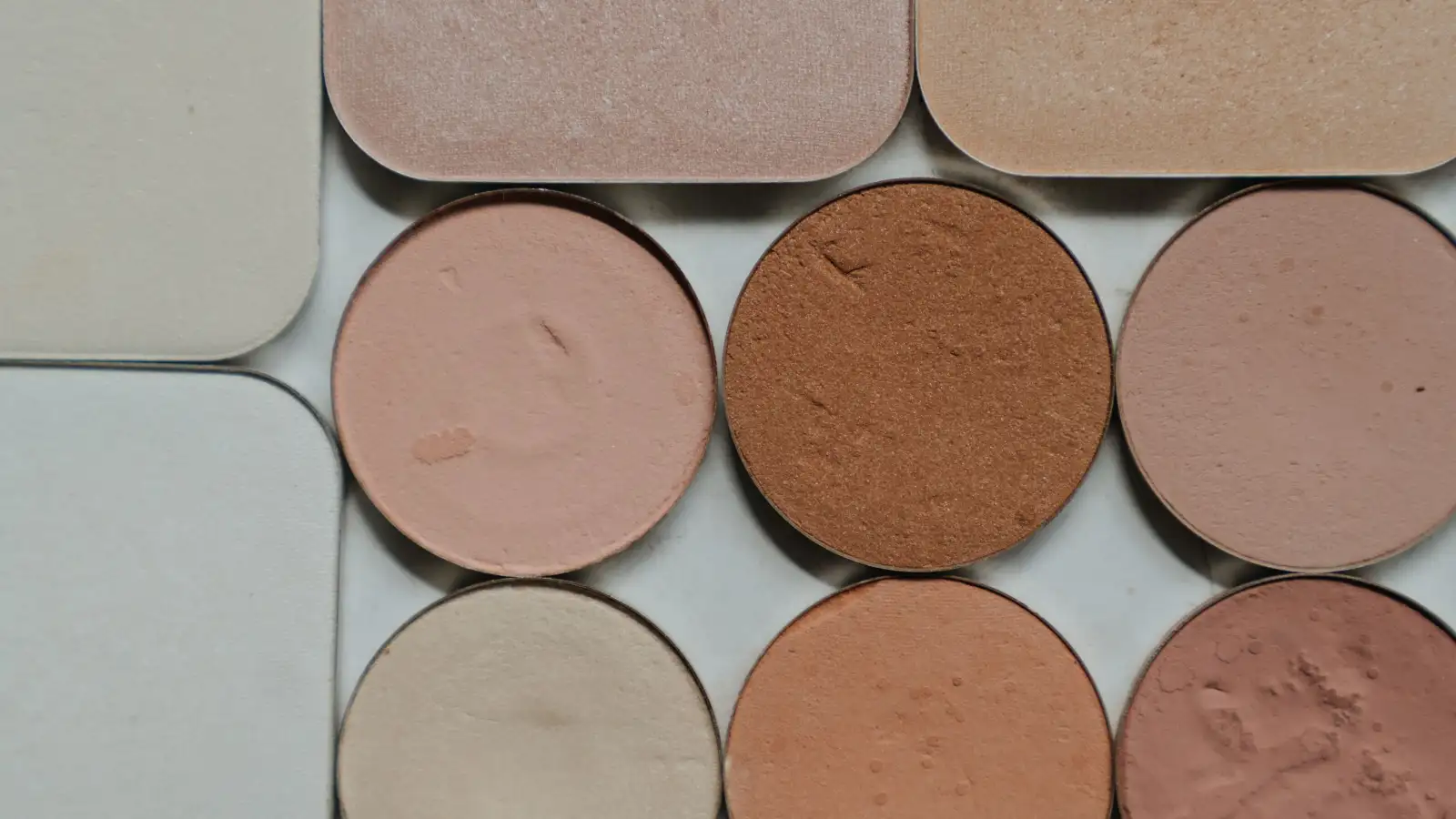
Three Powder Formats and How Each One Flashes Back
Binder-to-powder ratio, not the format on the compact, decides how pressed, loose, and baked powders flash back. Here's how to test deposit per pass.
Binder-to-powder ratio, not the format on the compact, decides how pressed, loose, and baked powders flash back. Here's how to test deposit per pass.
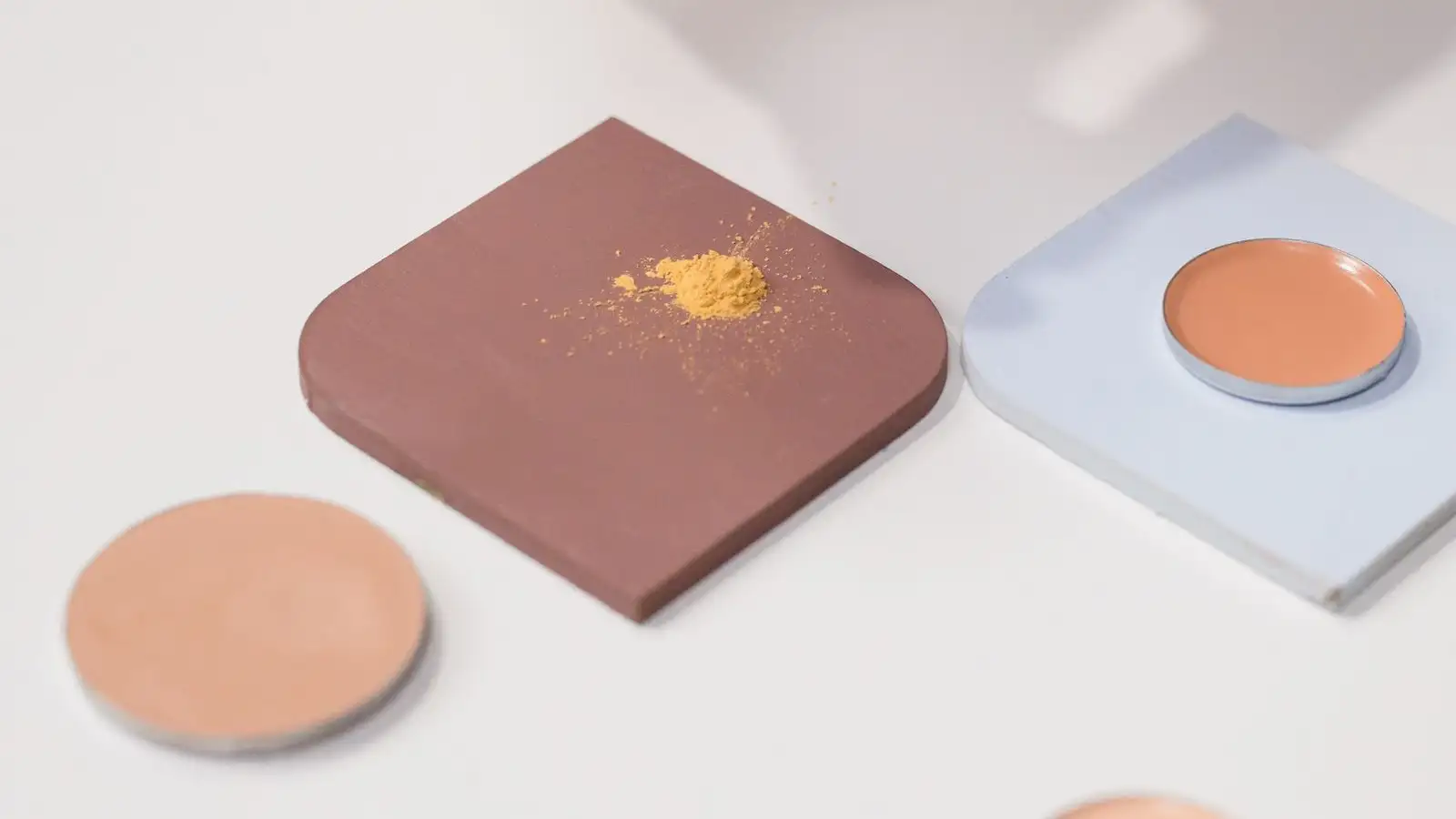
Streaky, chalky color usually isn't a shade mismatch. Particle size, dispersion, and pigment surface treatment decide whether color blends into the film.
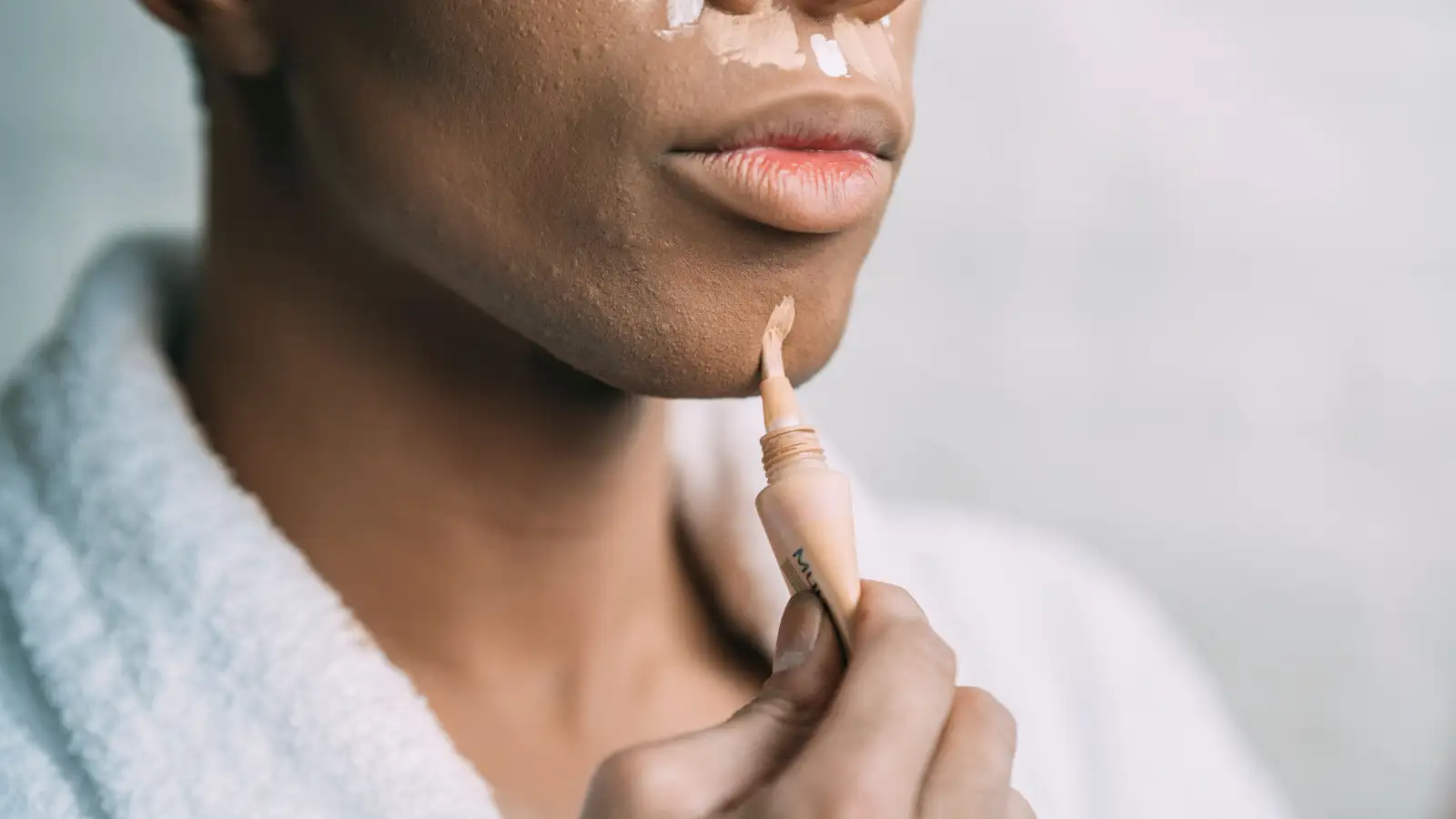
Silicone, water, or oil: how to read a primer and foundation's base system so your deep-skin foundation stops pilling, separating, and turning gray.

Water-based, silicone, serum, cream, and powder foundations behave differently in pores. Match the base system to your oil and texture — and stop the settling.
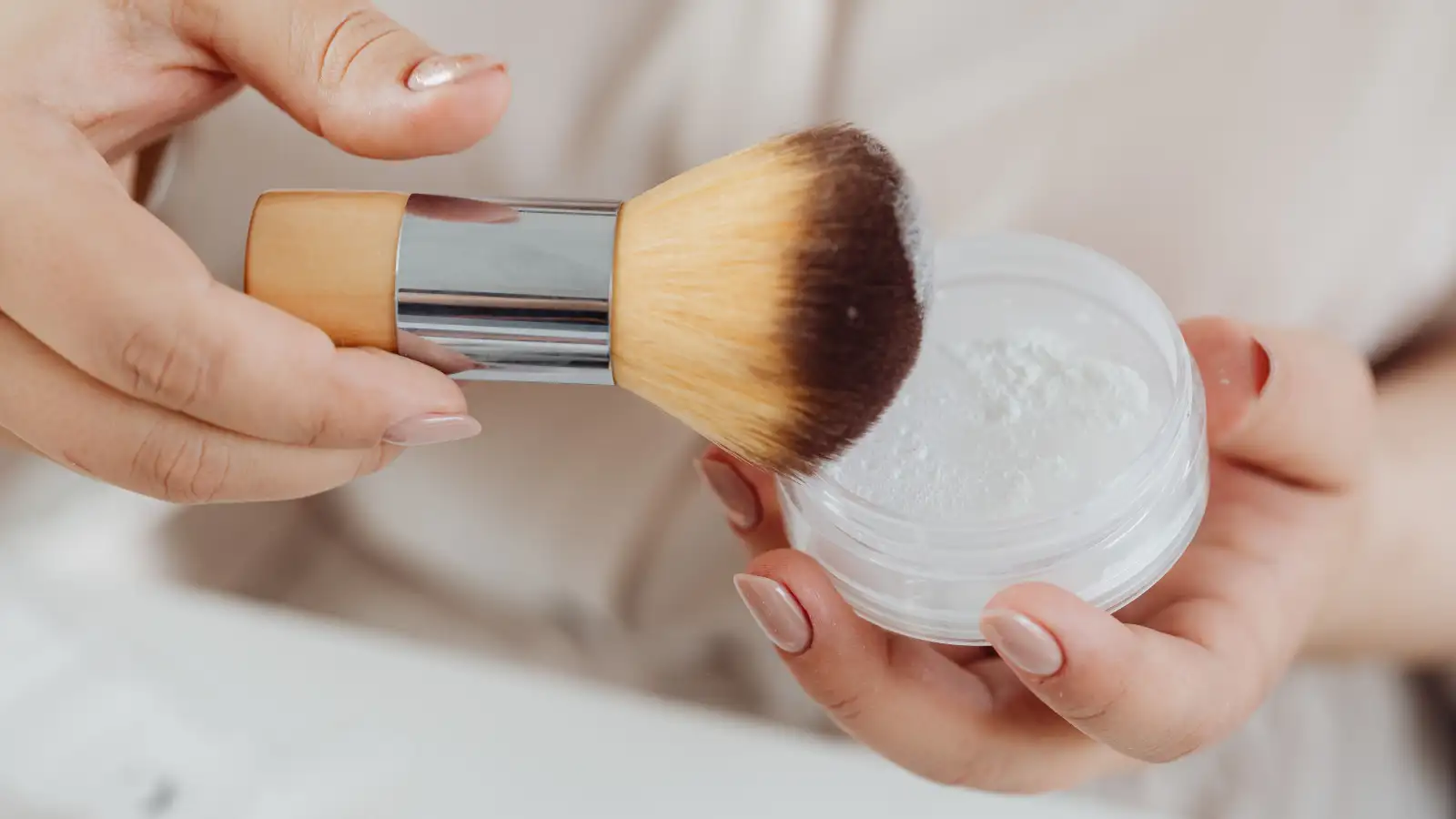
Titanium dioxide and zinc oxide both flash white on camera, but not the same way. How CI 77891 and CI 77947 hide on a label, and what concentration changes.
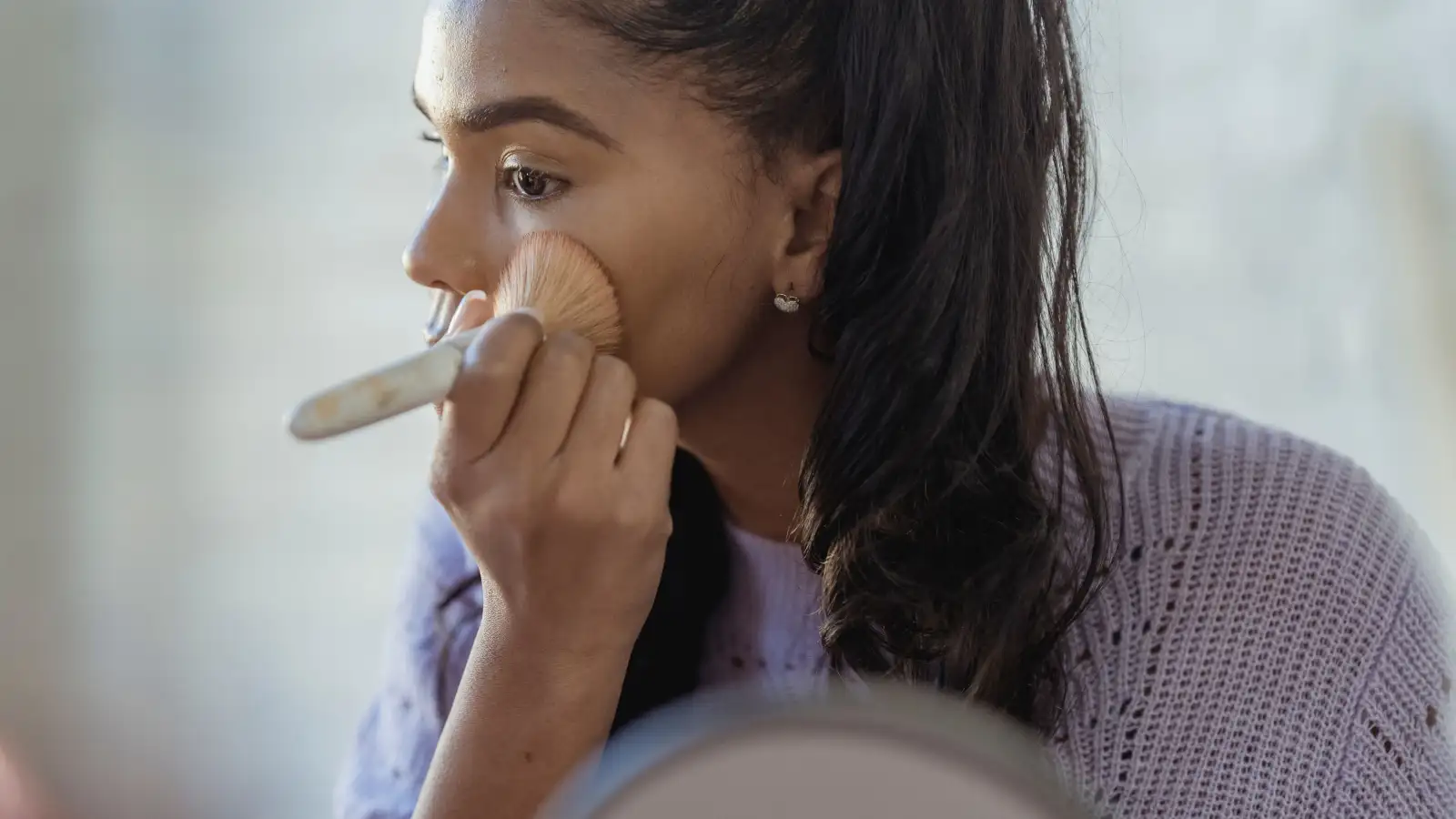
Liquid, cream, stick, serum, or powder? See how each base behaves on mature, dry, deeper skin: slip, emollience, film flexibility, and how it sets.
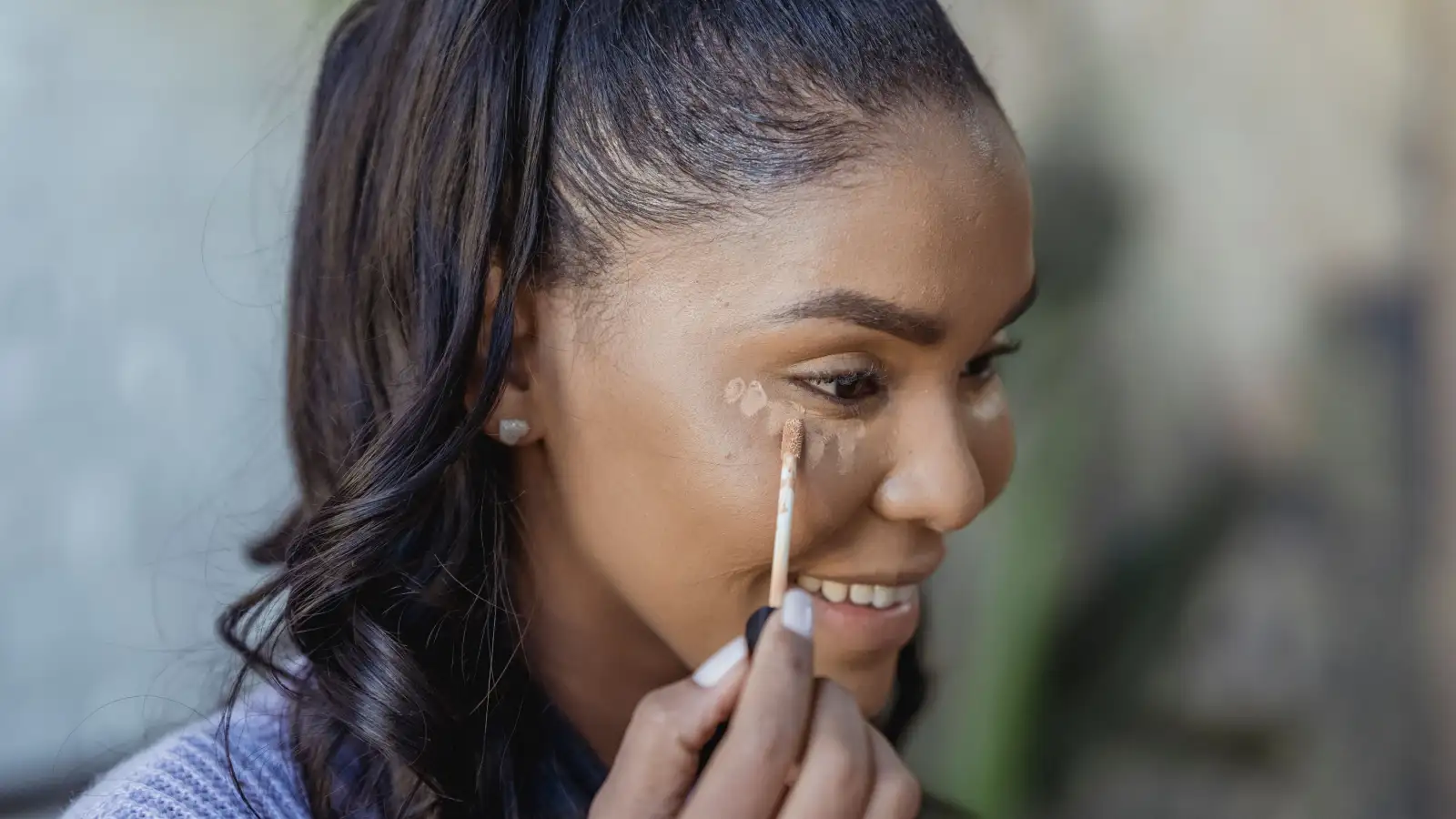
How blue, yellow, peach, green, and lavender mixers work on deep skin, how to add fractions of a drop, blend streak-free, and wear-test for a full day.

How to read a foundation ingredient list for white cast on deep skin: titanium dioxide, zinc oxide, silica, mica, talc, and where iron oxides sit.