Why Formulators Match Base Systems to Prevent Color Shift
Color shift is usually a base-system mismatch, not a bad shade. How water-based and silicone-based films interact with oil, film formers, and humidity.
Liquid, cream, stick, serum, or powder? How base systems and film formers decide ashiness, oxidation, and wear on dry, deep skin, plus how to test one.
Deep shades go gray from too much opaque white pigment, not from missing depth. Read the iron oxide ratio and the white load before you blame the shade.
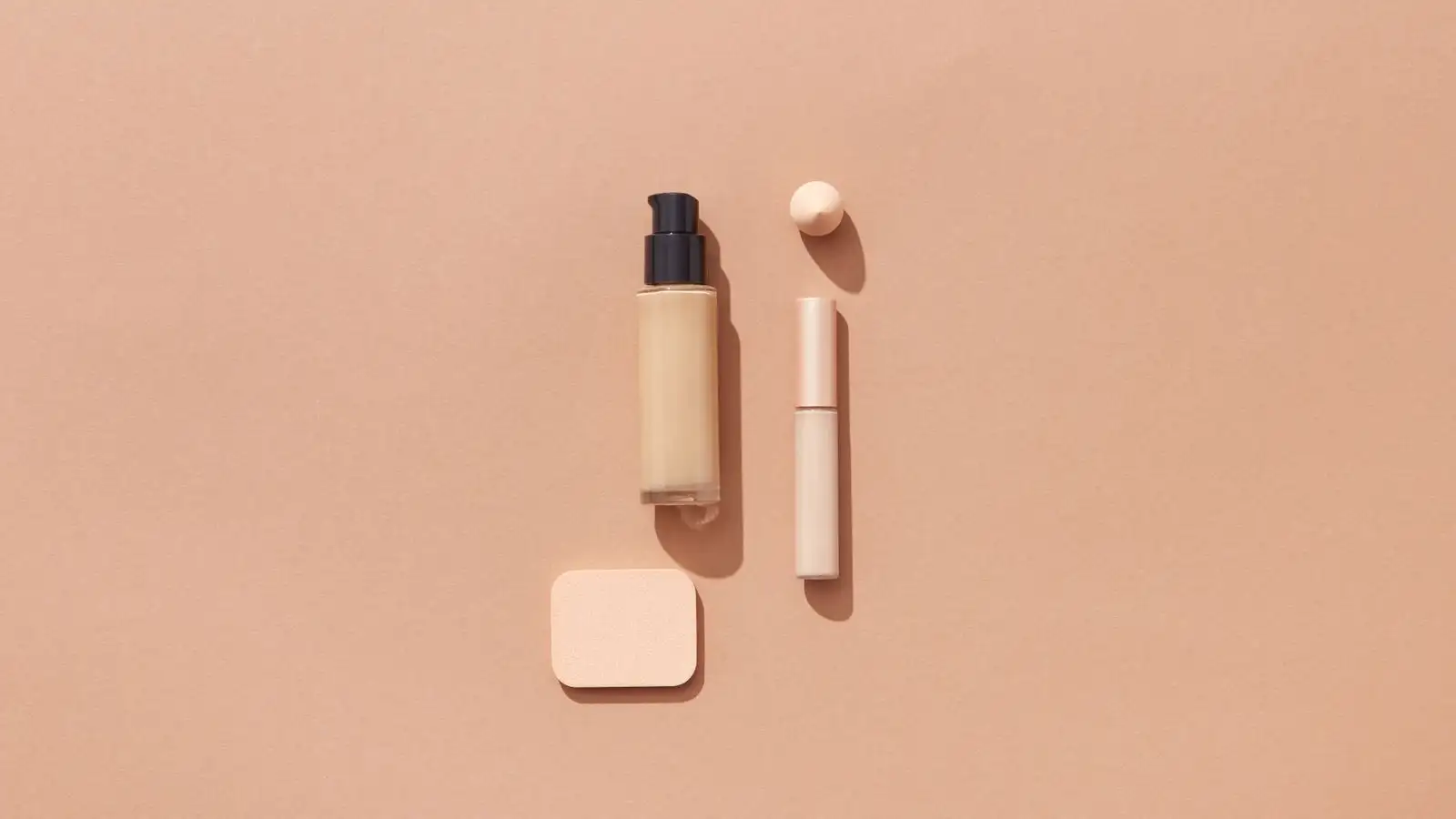
A serum foundation caps out because its watery base can only hold so much solid pigment. Here's how each format's structure sets its real coverage ceiling.
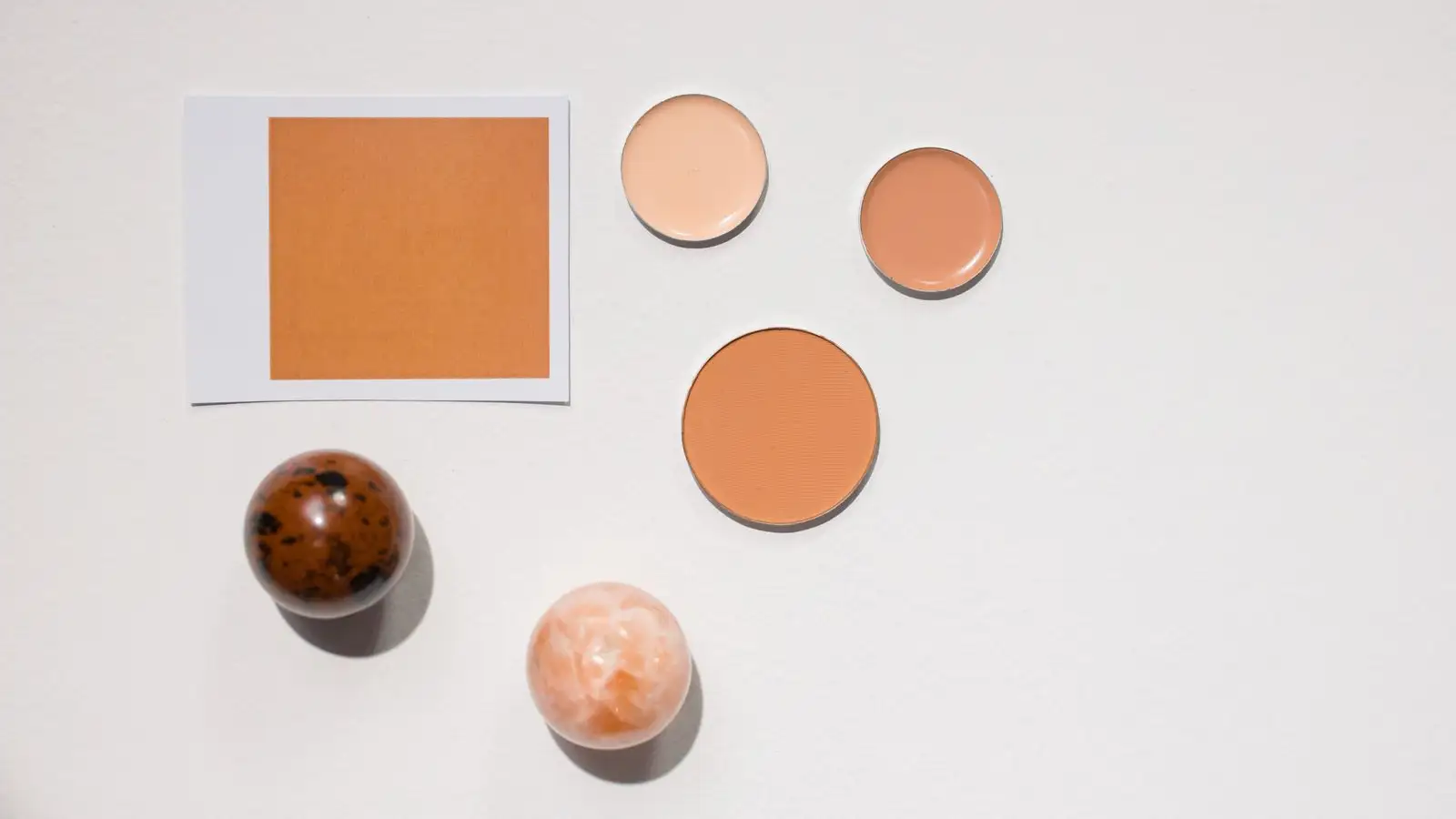
Every undertone name is shorthand for an iron oxide recipe. Here's why two warm foundations read golden and orange, and how to mix toward the ratio.
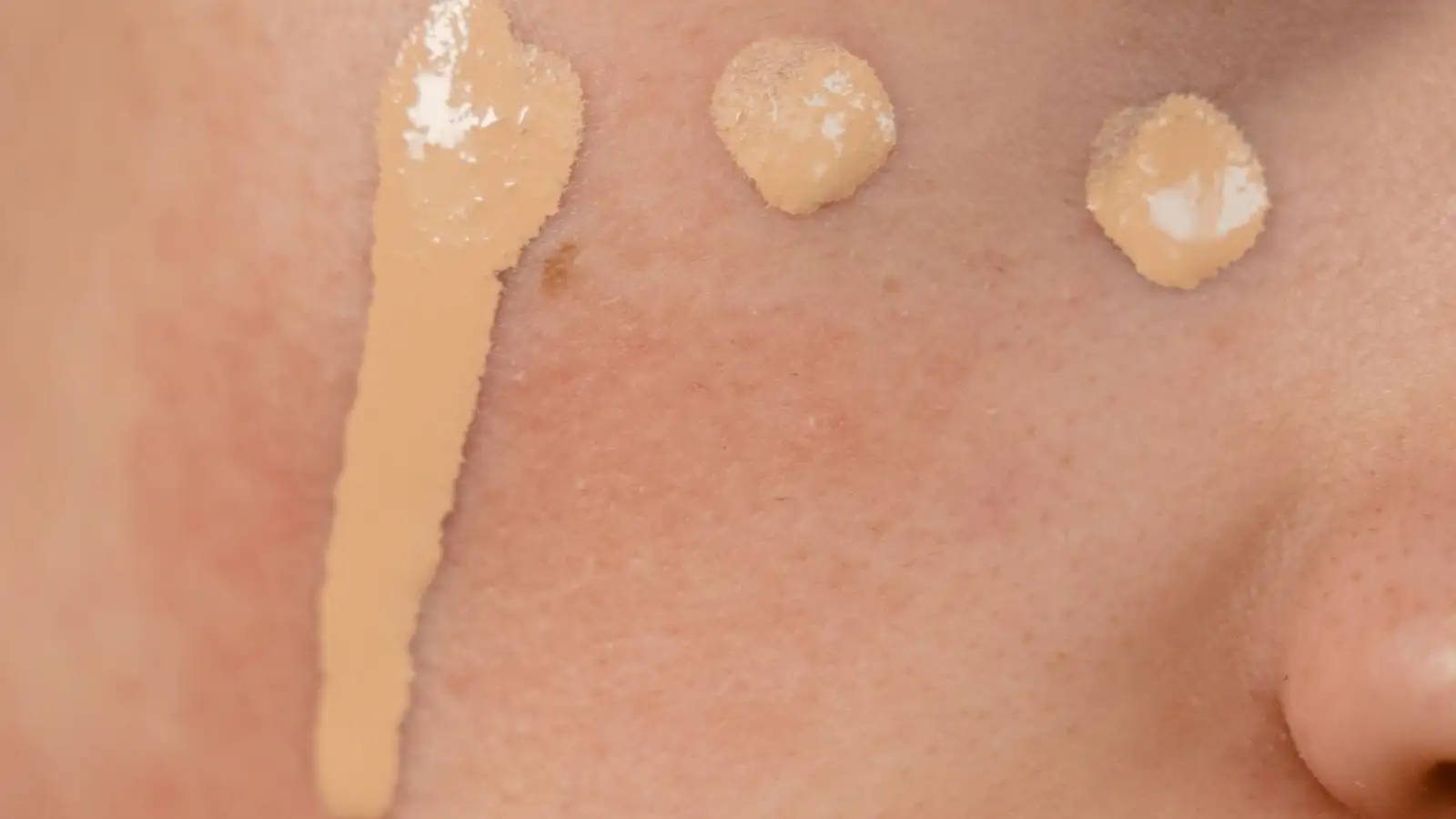
Liquid, cream, stick, powder, and serum foundations behave differently on textured skin. Compare base, pigment load, and film formers, not brands.
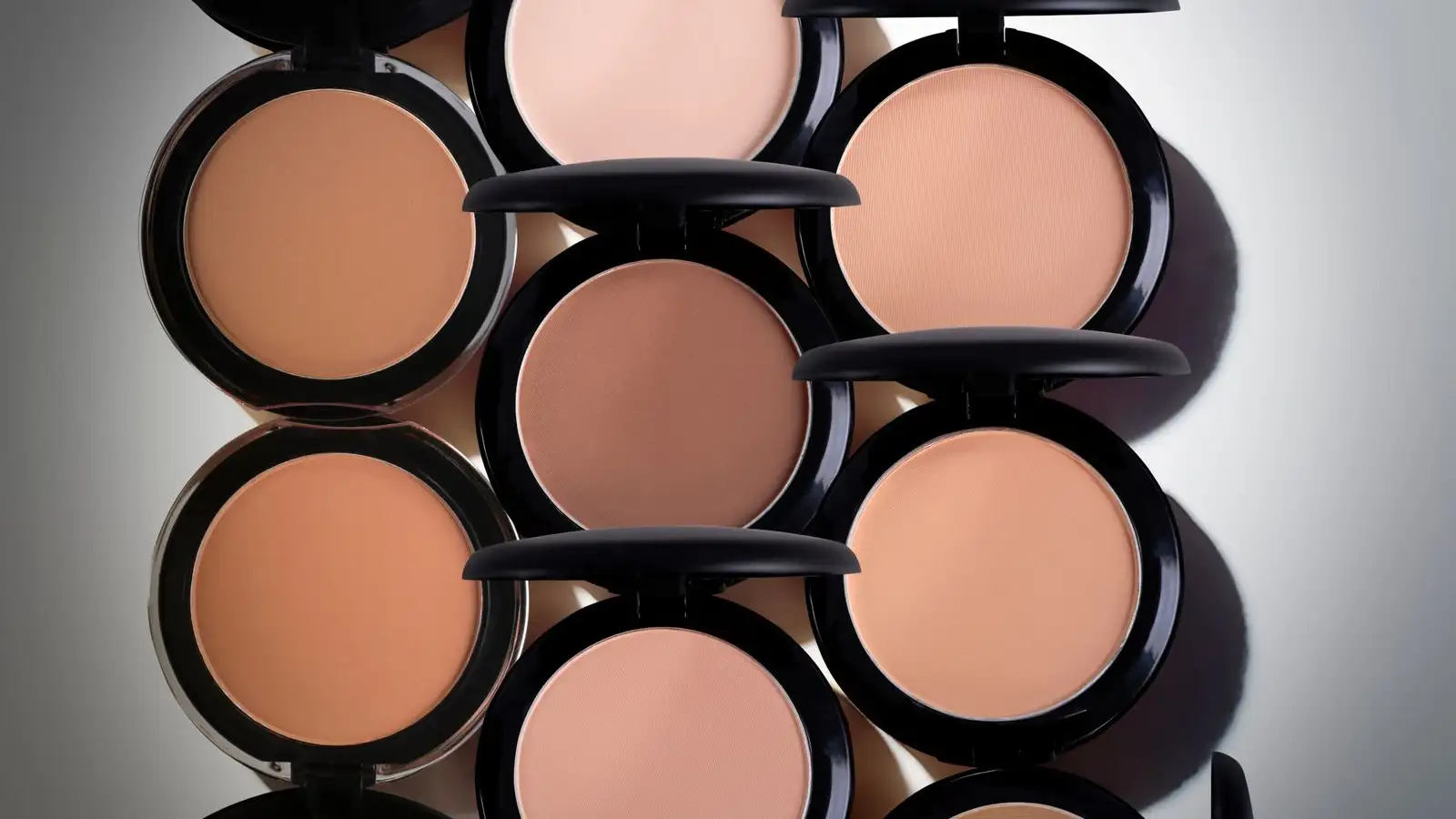
Red, yellow, and black iron oxides are the whole palette. Learn how the ratio between them sets depth, warmth, and saturation in brown foundation.

Film formers, volatile silicones, and pigment load decide how foundation wears on deep skin. Learn to read a base system and predict wear before you buy.

How water, silicone, oil, wax, and powder bases behave on mature deep skin, and how to choose between liquid, cream, stick, serum, and powder formulas.

Depth comes from black and brown iron oxides, undertone from the red-to-yellow ratio, opacity from white minerals. Three dials explain every shade.