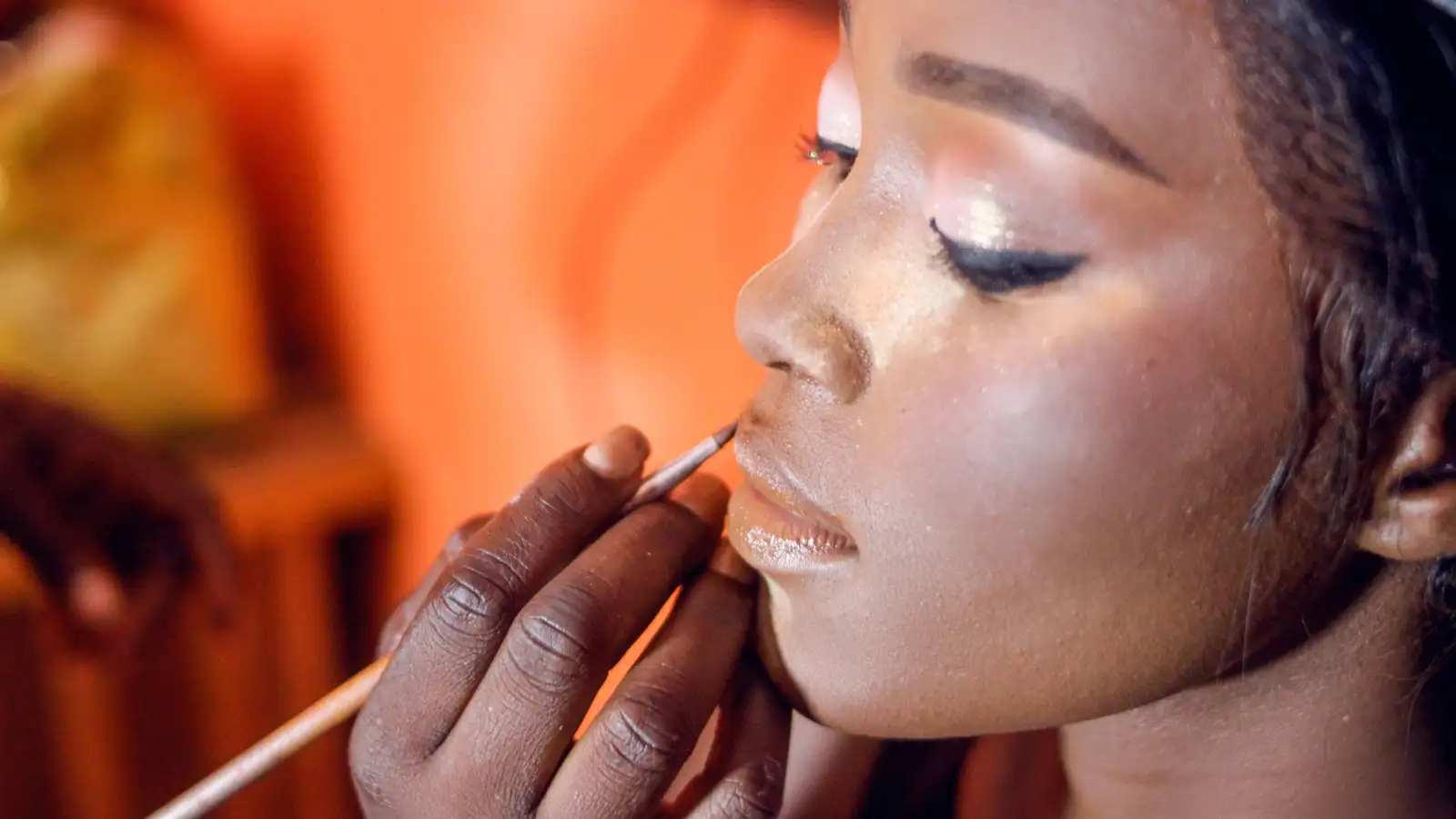
Fix Foundation White Cast on Brown Skin Without Replacing It
White cast on deep skin is three different problems: surface pigment, photo flashback, and ashiness. Here's how to tell them apart and fix each.
White cast on deep skin is three different problems: surface pigment, photo flashback, and ashiness. Here's how to tell them apart and fix each.

Water-based, silicone, serum, cream, and powder foundations behave differently in pores. Match the base system to your oil and texture — and stop the settling.
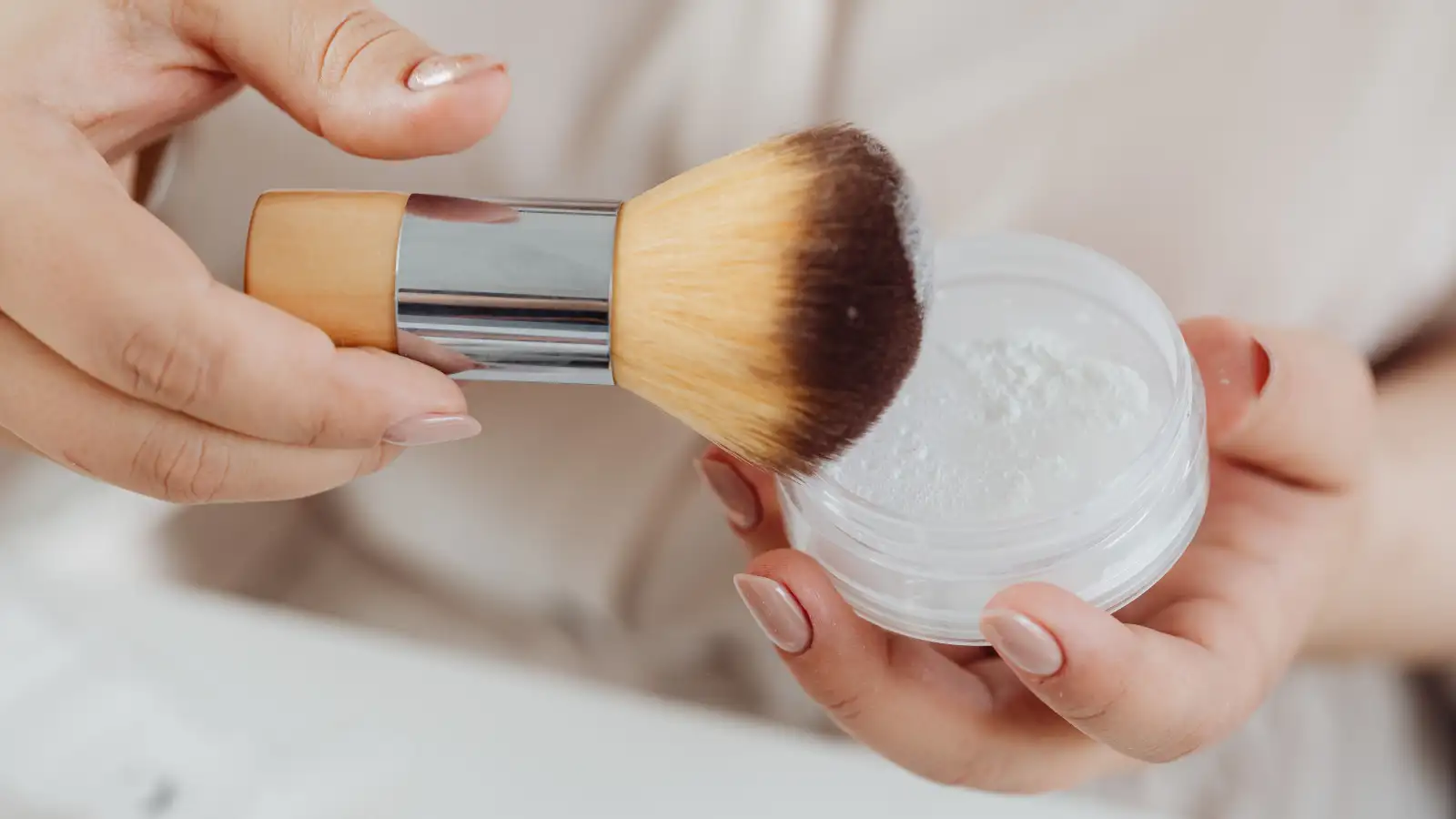
Titanium dioxide and zinc oxide both flash white on camera, but not the same way. How CI 77891 and CI 77947 hide on a label, and what concentration changes.

Why foundation pills, separates, and turns warmer when it goes on before skincare has set, and how to read the gap on the back of your hand.
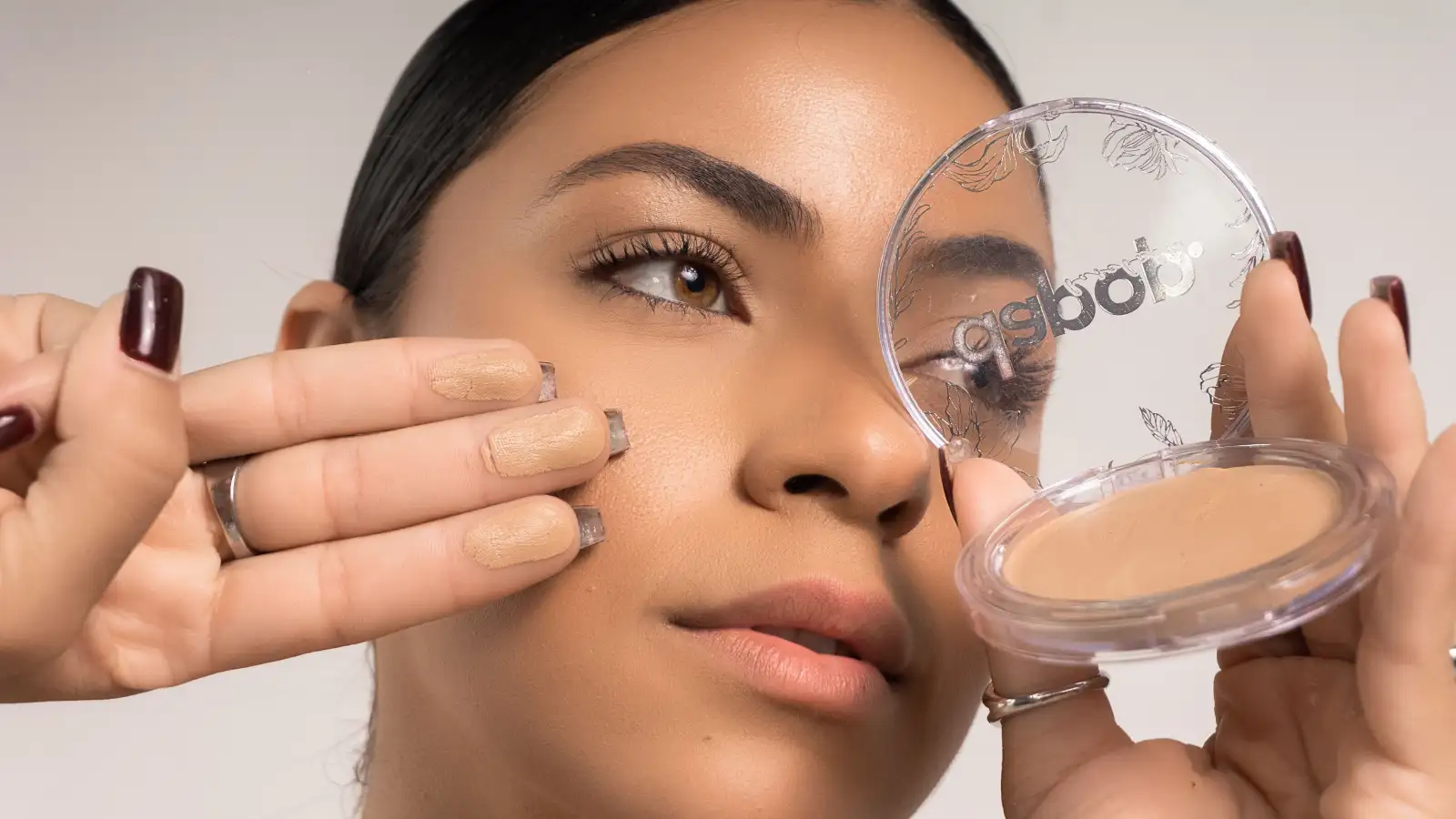
Foundation rarely fails on its own. Match each midday symptom — lines, patches, flaking, color shift — to the layer that actually needs adjusting.
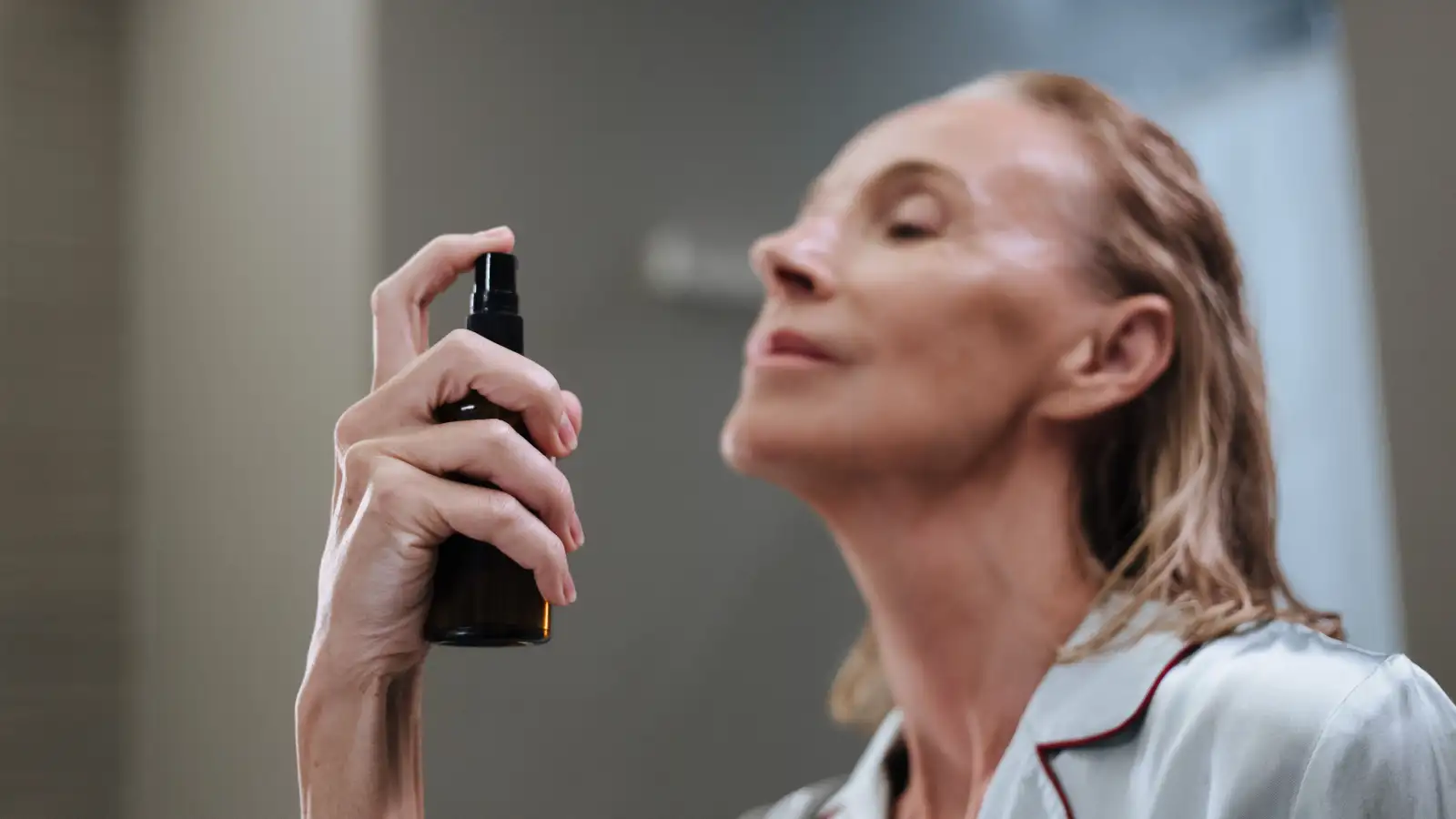
How to set foundation on mature dry deeper skin without white cast or flashback: powder only where the base moves, dusted fine, never pressed or baked.

Liquid, cream, stick, serum, or powder? See how each base behaves on mature, dry, deeper skin: slip, emollience, film flexibility, and how it sets.

A corrector and foundation have to be chosen as a pair on brown skin. How to judge a mark's depth, layer corrector thinly, and re-check it at the jawline.
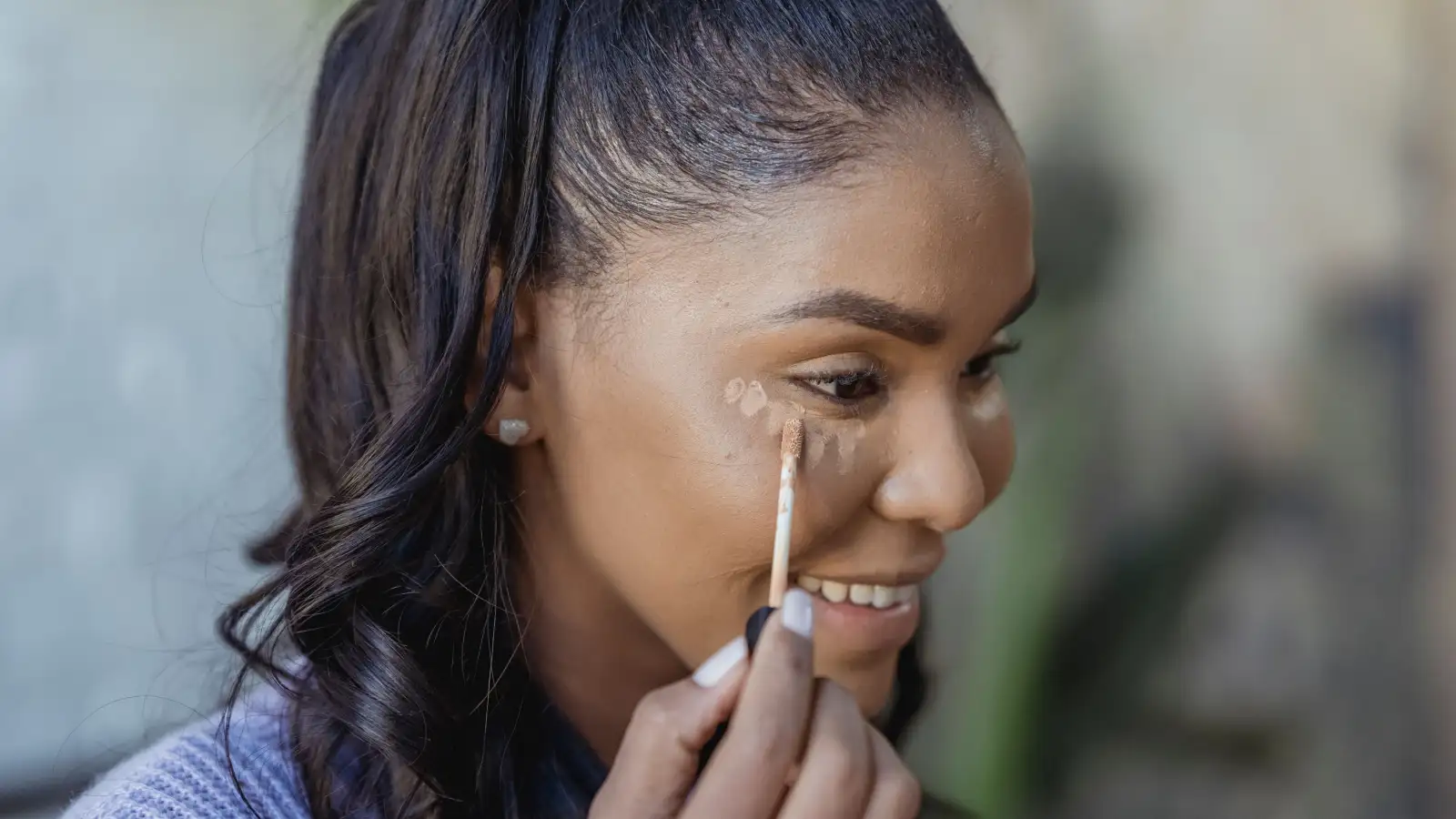
How blue, yellow, peach, green, and lavender mixers work on deep skin, how to add fractions of a drop, blend streak-free, and wear-test for a full day.
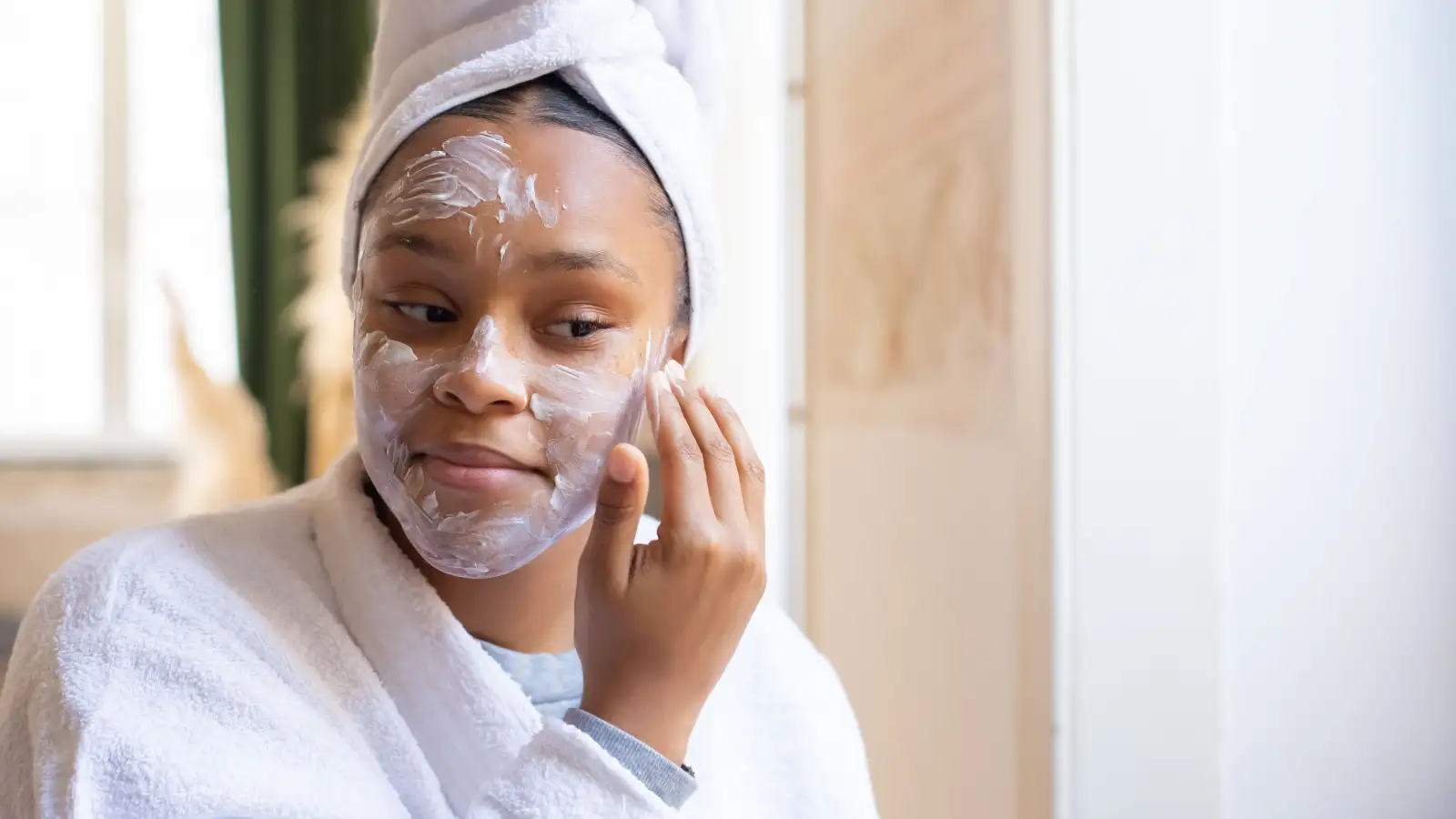
How to read a foundation ingredient list for white cast on deep skin: titanium dioxide, zinc oxide, silica, mica, talc, and where iron oxides sit.