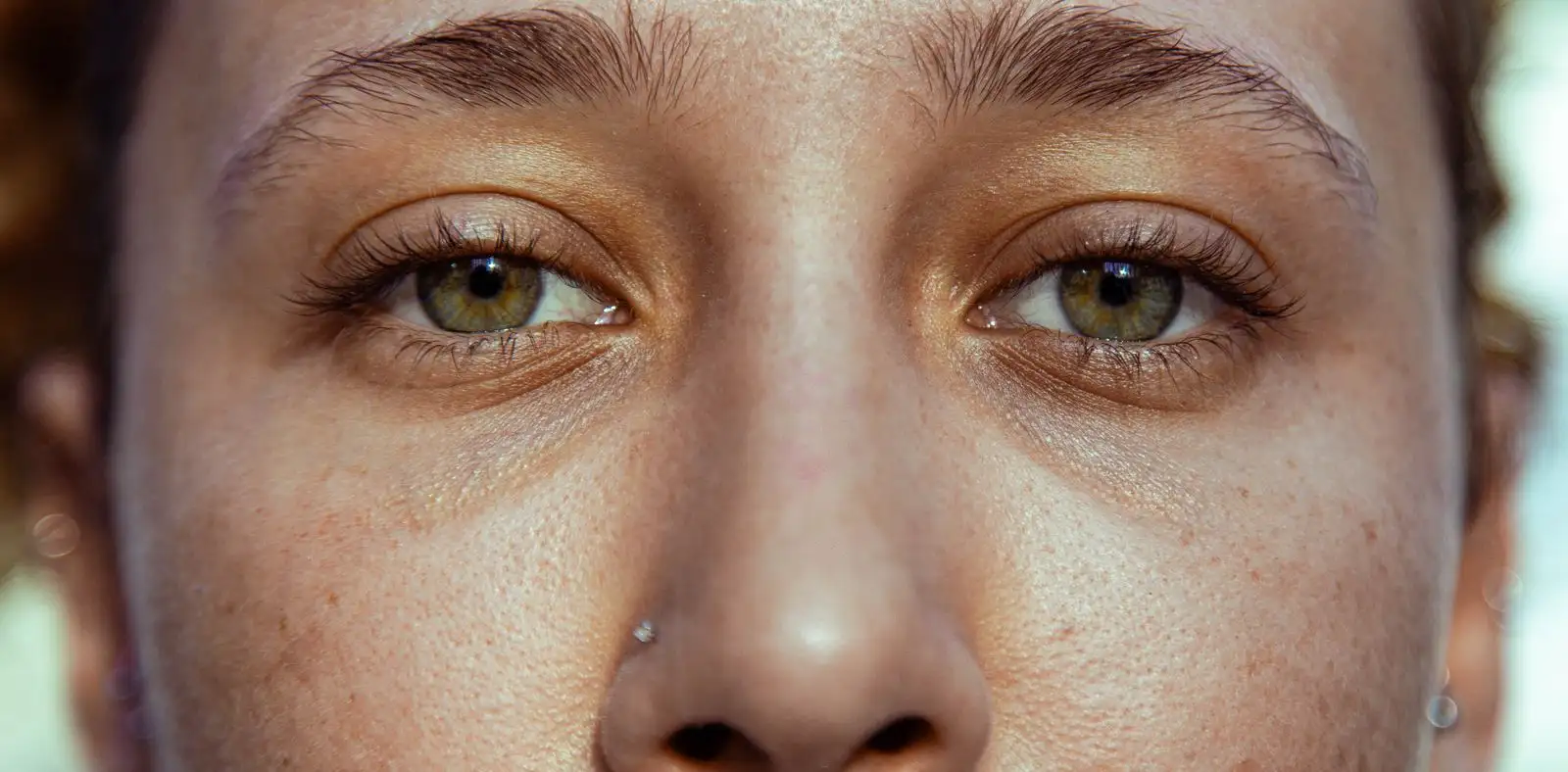
Is Your Setting Powder Making Your Pores Look Worse?
Pressing powder into pores makes them read bigger. Learn dusting vs pressing, how silica and mica cause flashback and white cast, and why baking backfires.
Pressing powder into pores makes them read bigger. Learn dusting vs pressing, how silica and mica cause flashback and white cast, and why baking backfires.
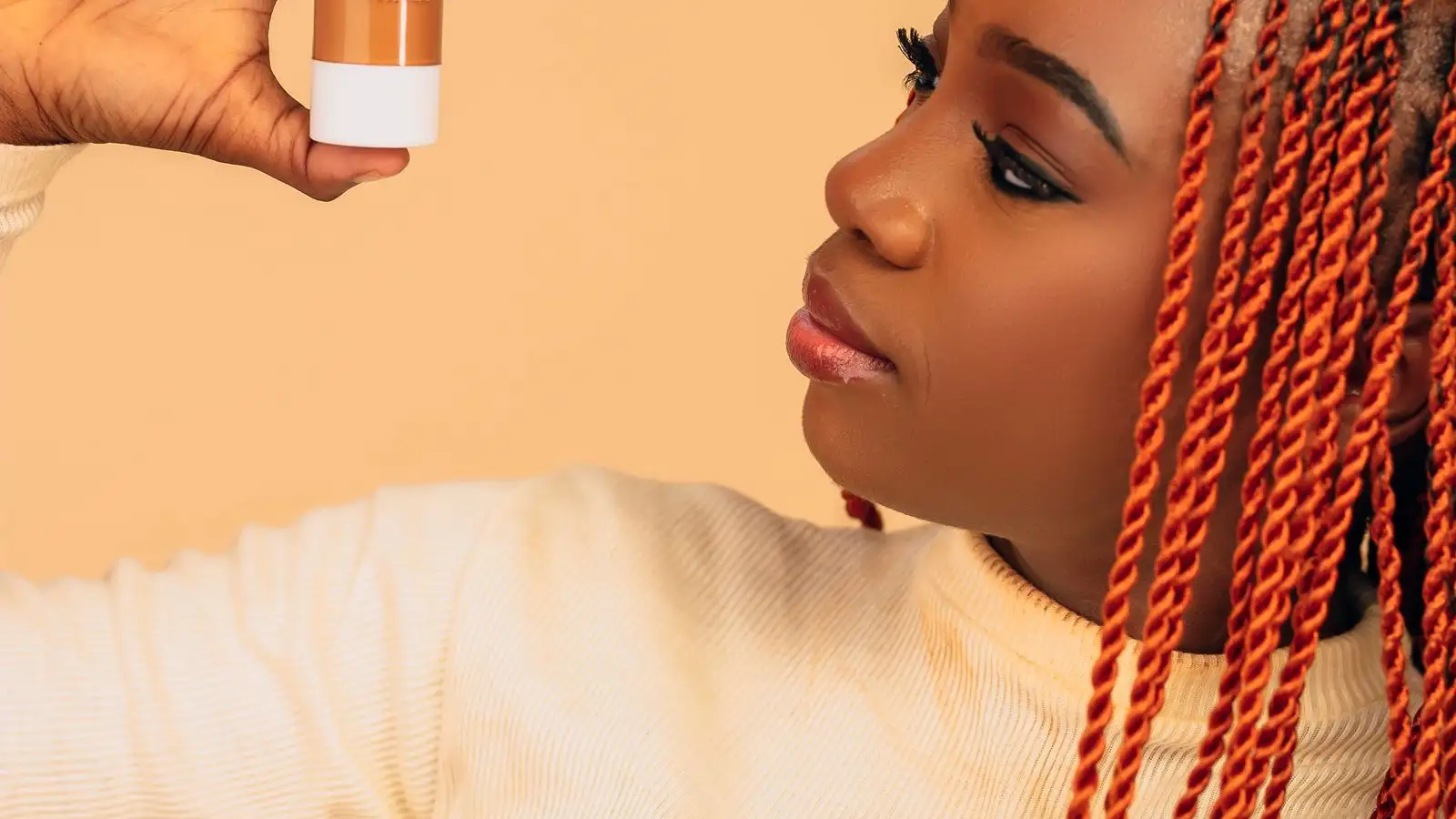
How water, silicone, oil, wax, and powder bases behave on mature deep skin, and how to choose between liquid, cream, stick, serum, and powder formulas.

Depth comes from black and brown iron oxides, undertone from the red-to-yellow ratio, opacity from white minerals. Three dials explain every shade.

Foundation settling in pores is a film failure, not a skin problem. Here is the prep, application, formula, and finishing framework that actually stops it.
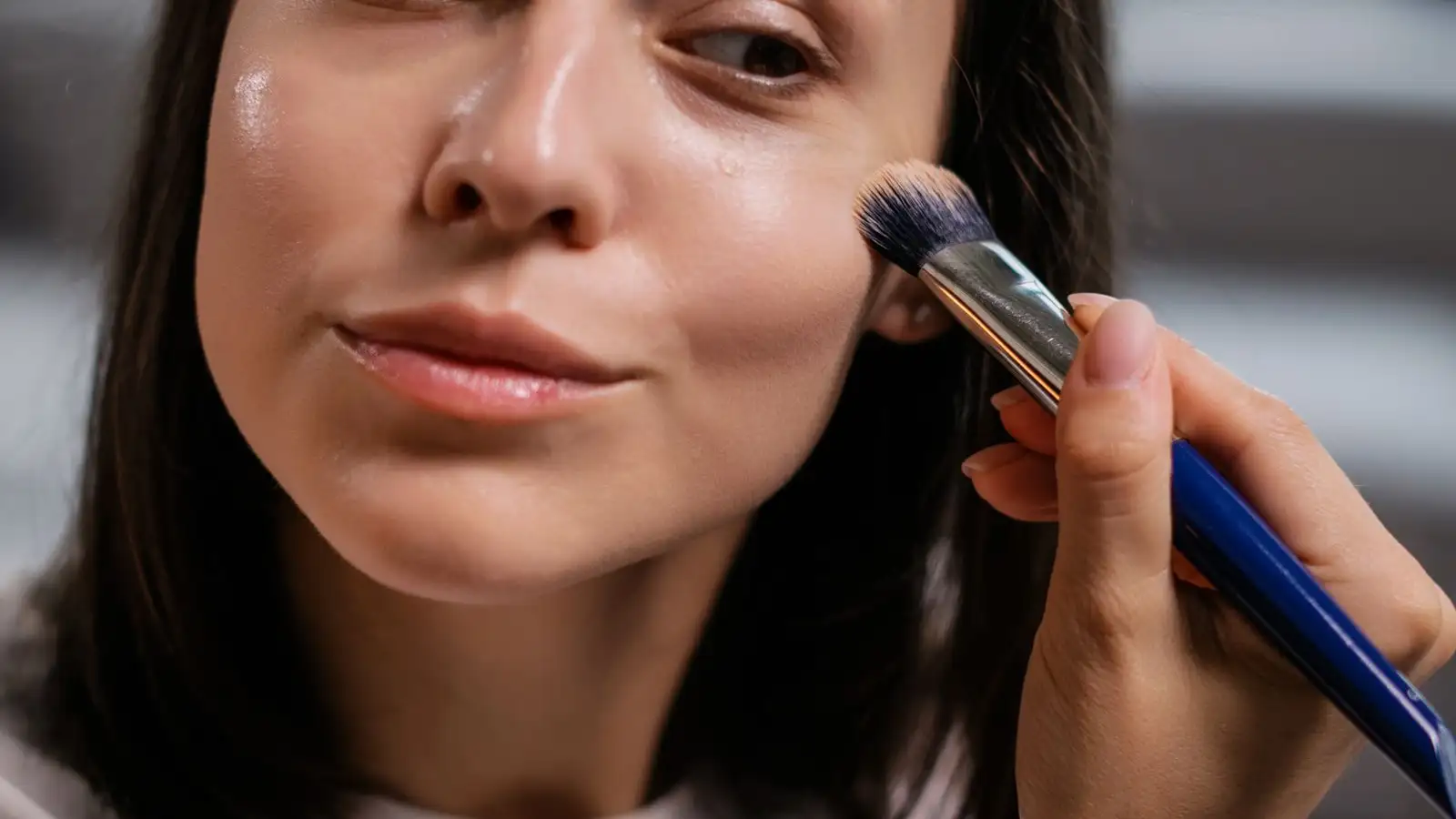
Set foundation for all-day wear on melanin-rich skin without white cast or flashback: press, don't sweep, powder only where you need it, then melt it down.
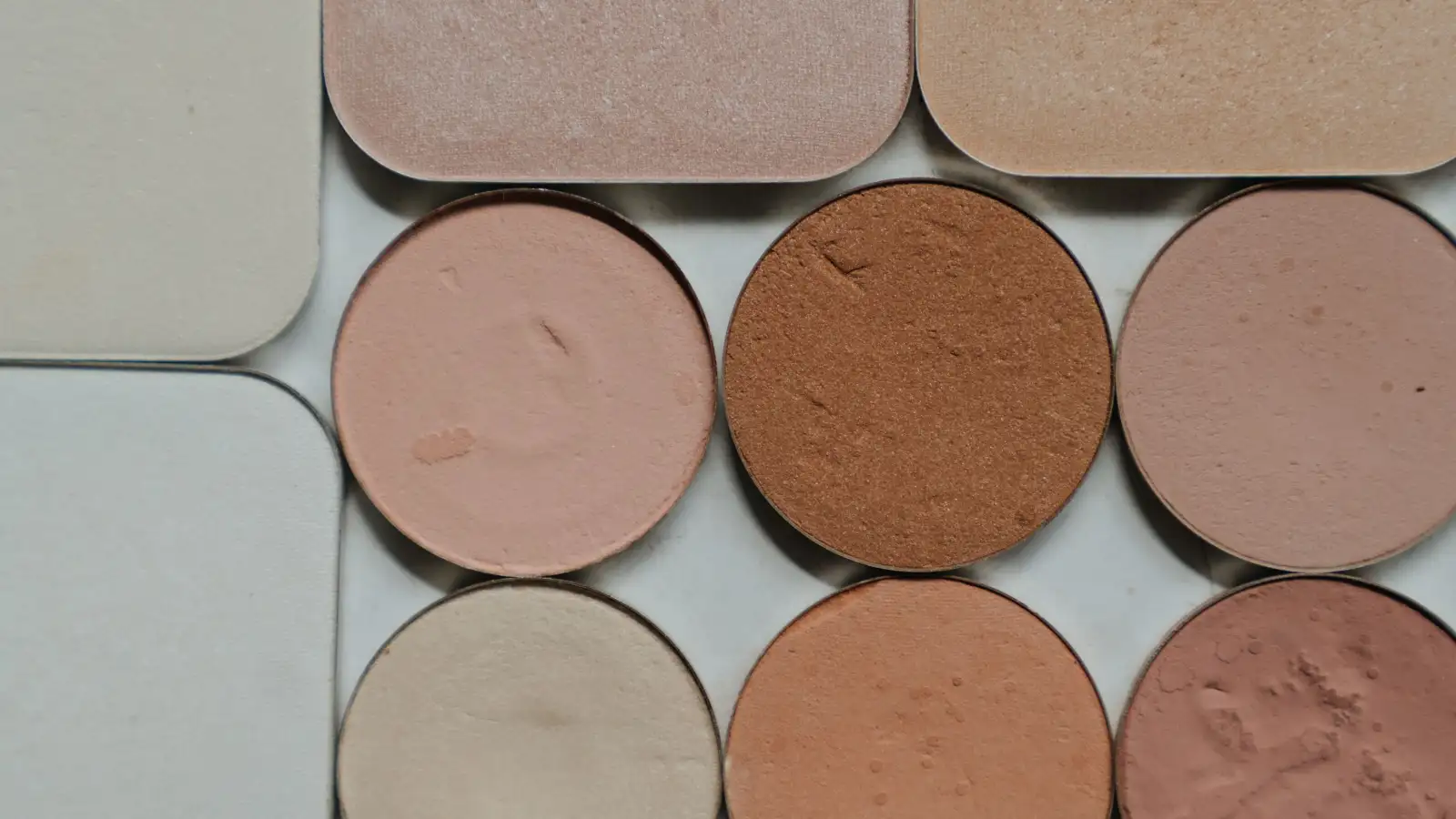
Binder-to-powder ratio, not the format on the compact, decides how pressed, loose, and baked powders flash back. Here's how to test deposit per pass.
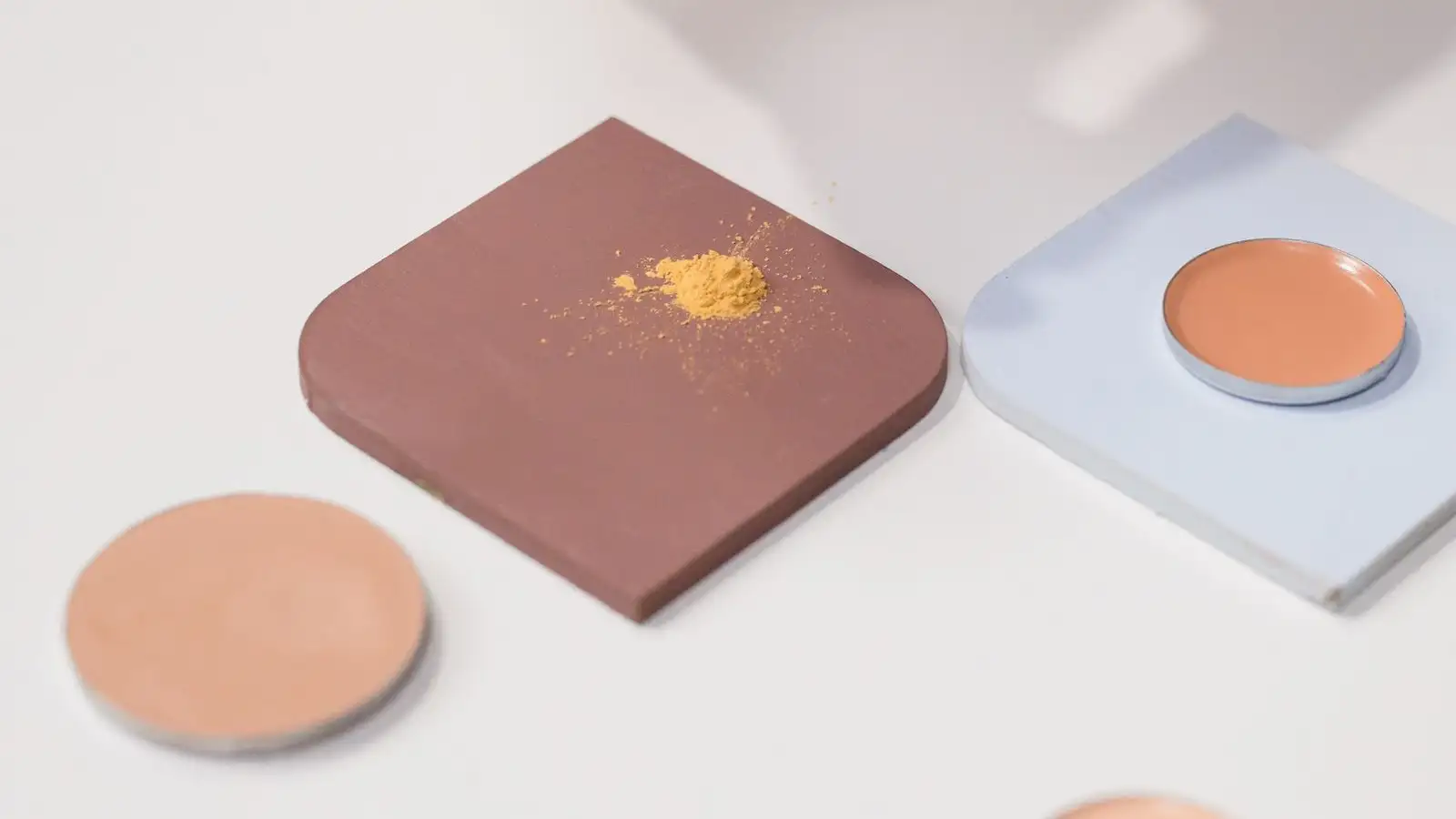
Streaky, chalky color usually isn't a shade mismatch. Particle size, dispersion, and pigment surface treatment decide whether color blends into the film.
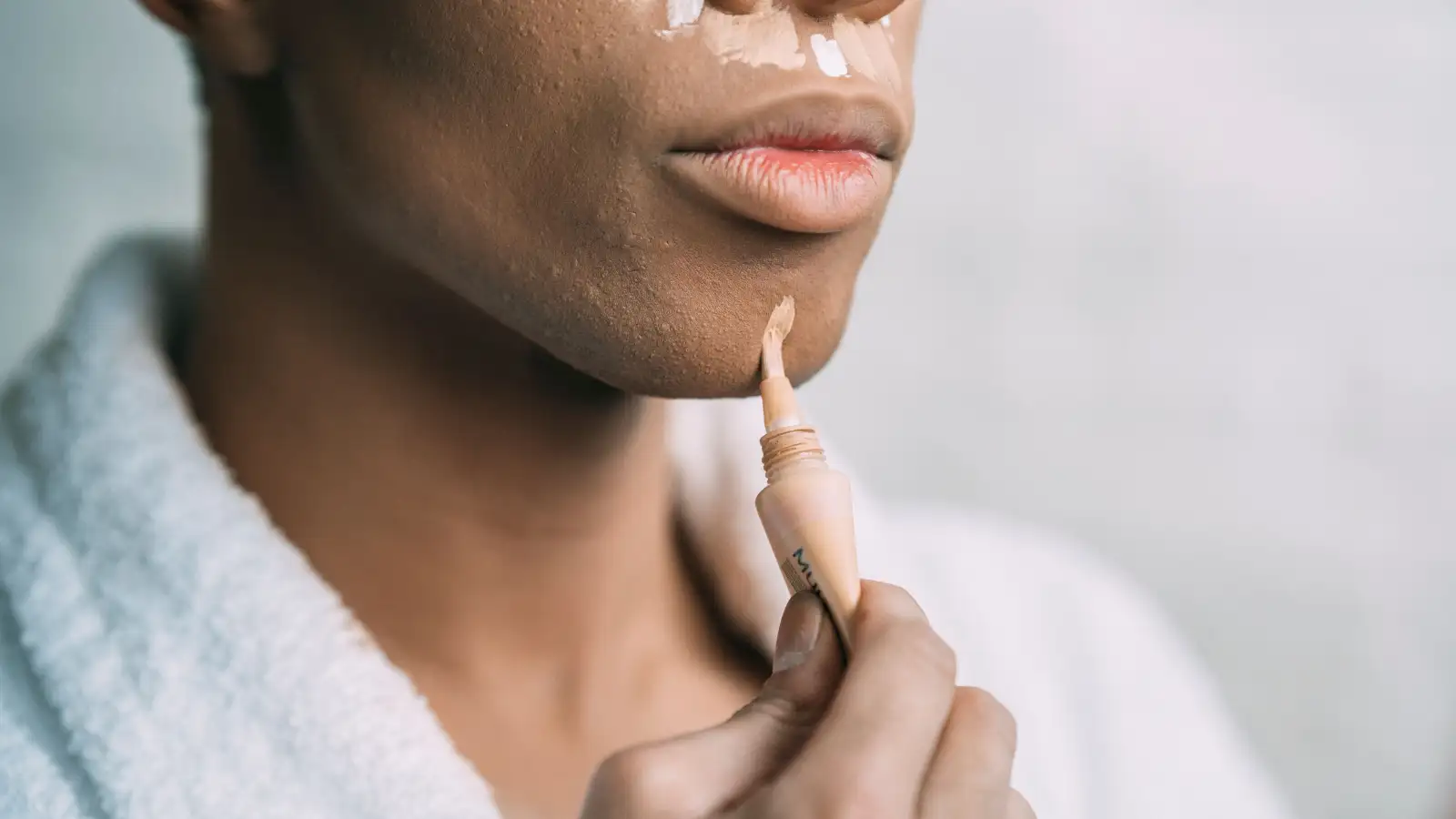
Silicone, water, or oil: how to read a primer and foundation's base system so your deep-skin foundation stops pilling, separating, and turning gray.
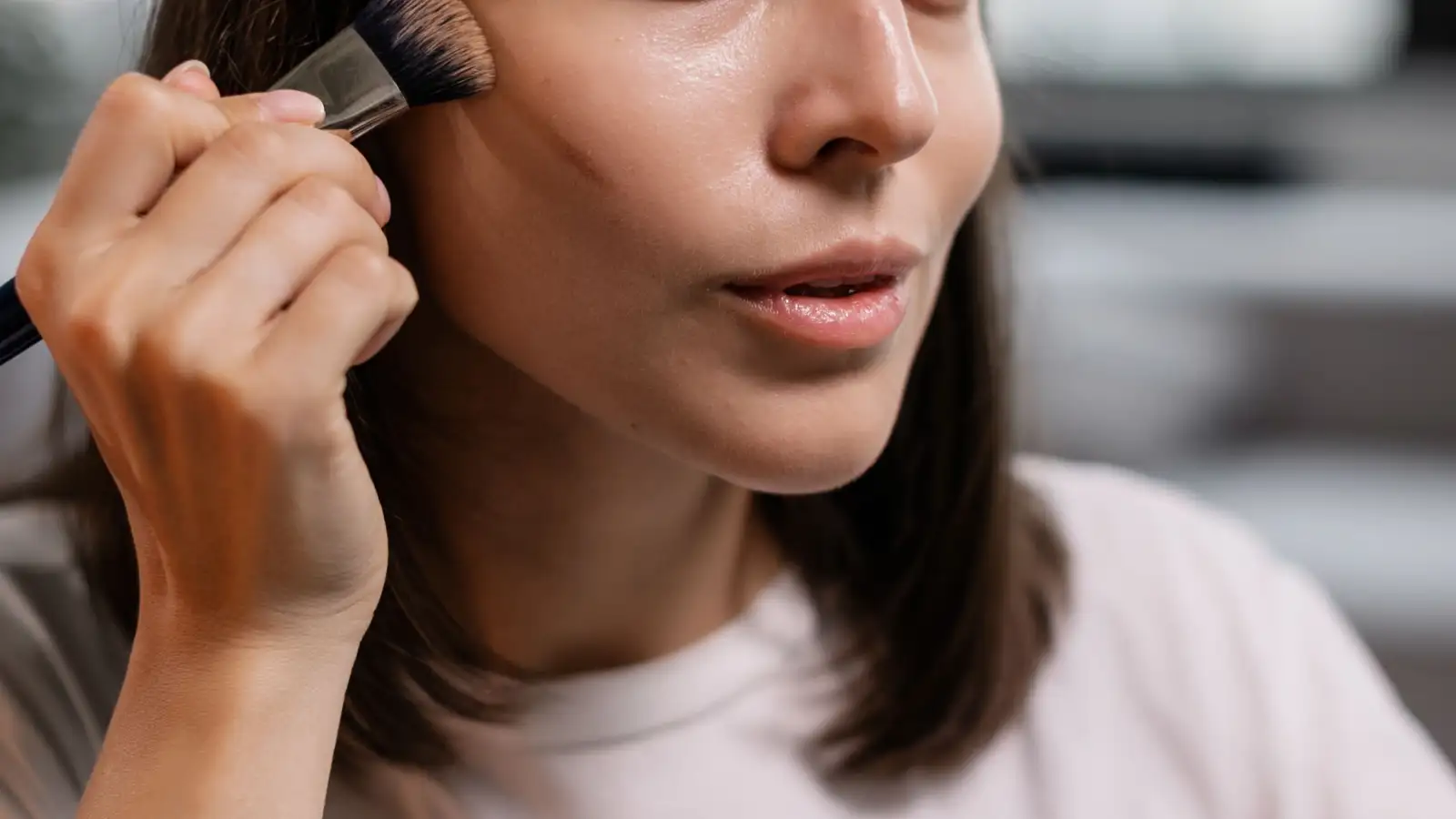
Foundation that matches at 7 a.m. can read orange or gray by 2 p.m. on mature dry deeper skin. How to test the shift, read its direction, and adjust.

Long-wear foundation on melanin-rich skin fails at color before it fails at wear. How prep, layering, setting, and oxidation decide whether the match survives.