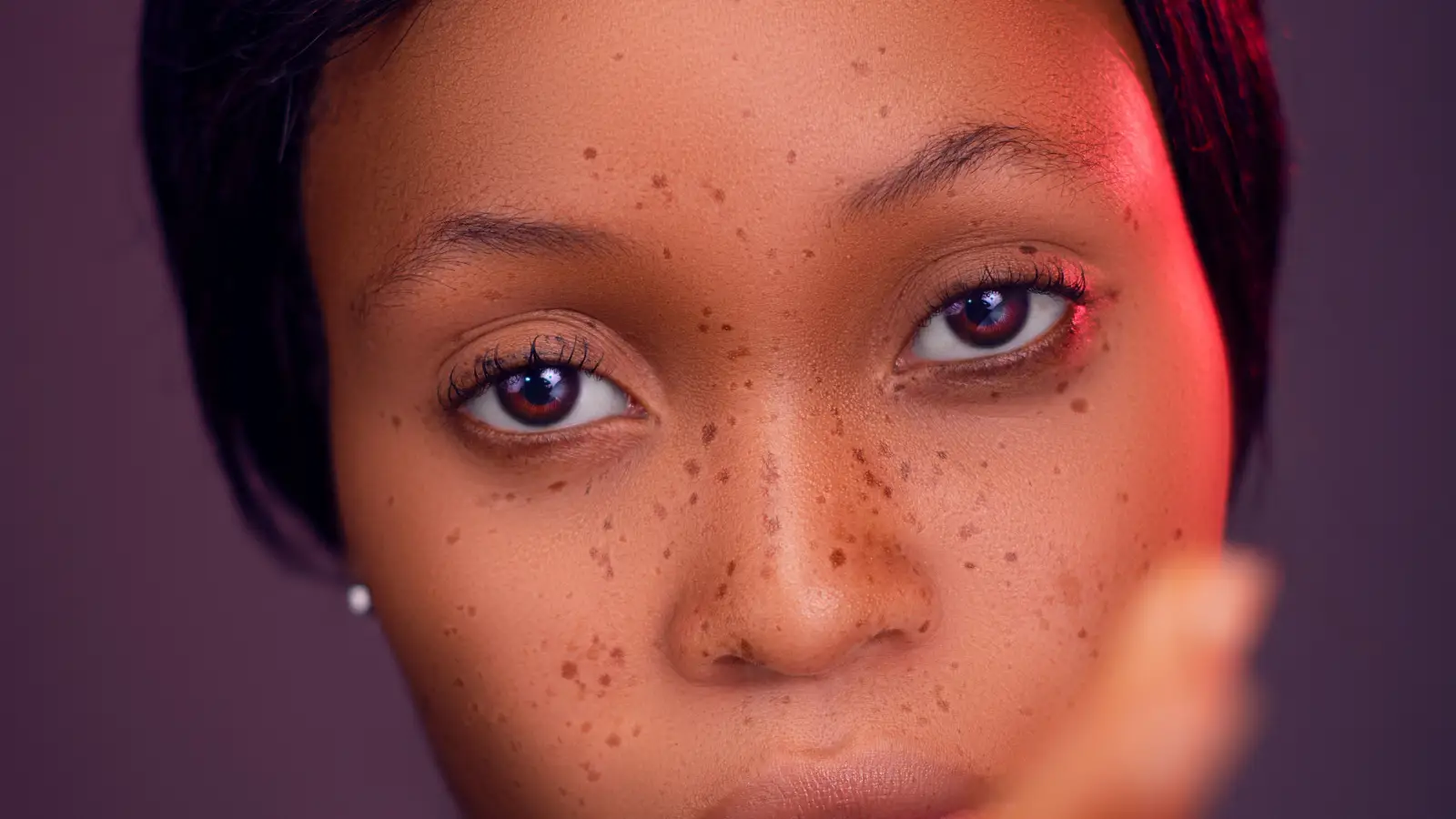
Dark Skin? Why Pico Laser Might Be Your Safest Option
Pico laser can lower PIH risk for dark skin, but only with the right protocol. Learn the priming, wavelength, and fluence steps that keep Fitzpatrick V–VI skin safe.
Pico laser can lower PIH risk for dark skin, but only with the right protocol. Learn the priming, wavelength, and fluence steps that keep Fitzpatrick V–VI skin safe.

Epidermal burns and PIH on Fitzpatrick IV–VI skin are a predictable physics problem. Learn the four laser parameters that prevent the melanin competition effect.
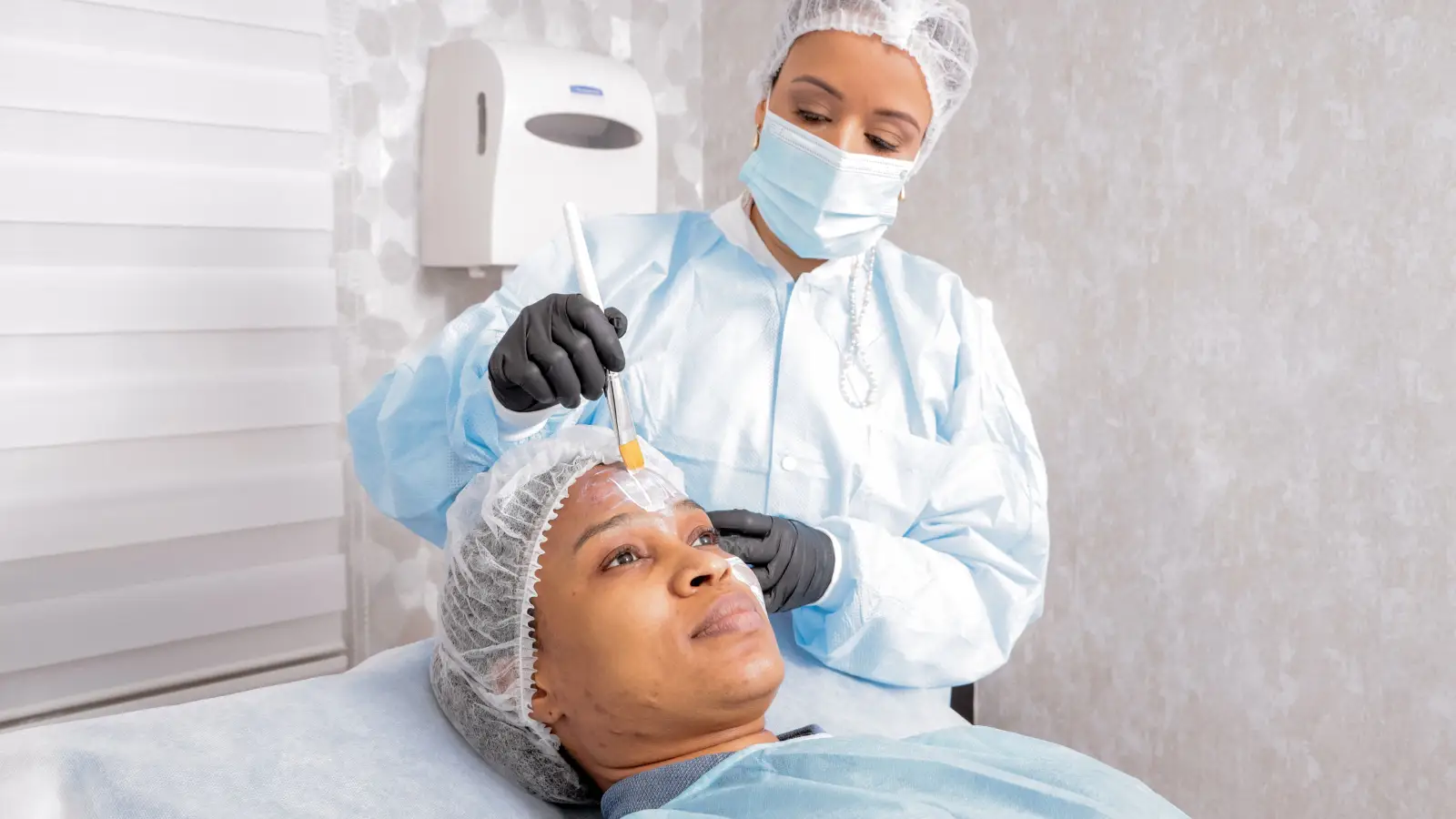
See why a glycolic peel costs $150 and a deep TCA peel over $3,000. Price tied to provider type, geographic region, and number of layers applied.
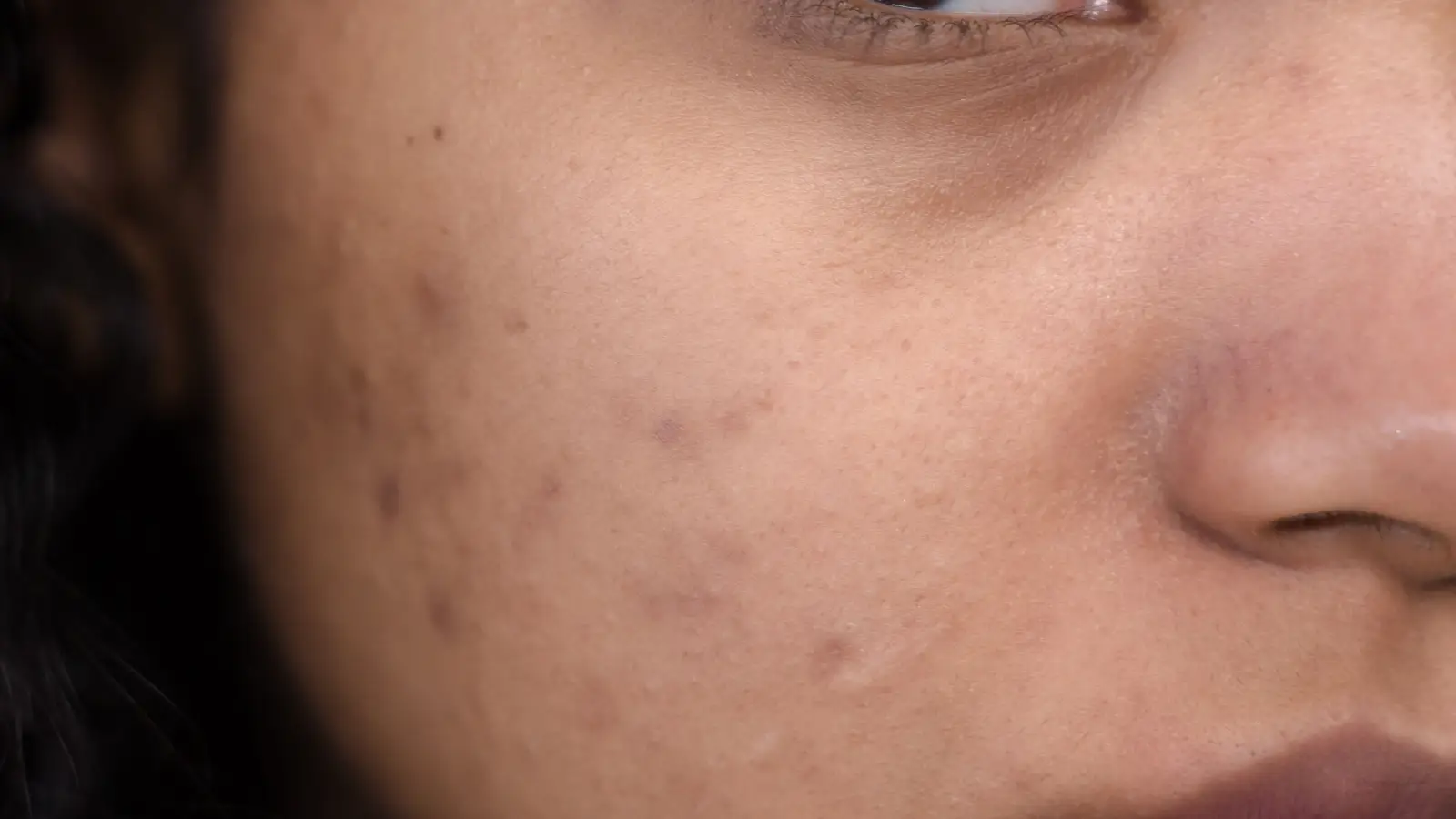
Dermatologists explain why lemon juice, ACV, and aloe vera can burn skin and worsen dark spots. Better natural alternatives like soy and licorice root explained.

A week-by-week roadmap to heal PIH and prevent darkening. Learn exactly what to do in the first 7 days and beyond to keep hyperpigmentation from returning.

Broad spectrum and PA++++ leave out visible light. Learn the 3-label checks—including iron oxides—every melasma sunscreen must pass, especially for skin of color.

Chemical peels beat lasers for dark spots when pigment is superficial, budget is tight, or dark skin needs lower PIH risk. Here are the 5 scenarios.
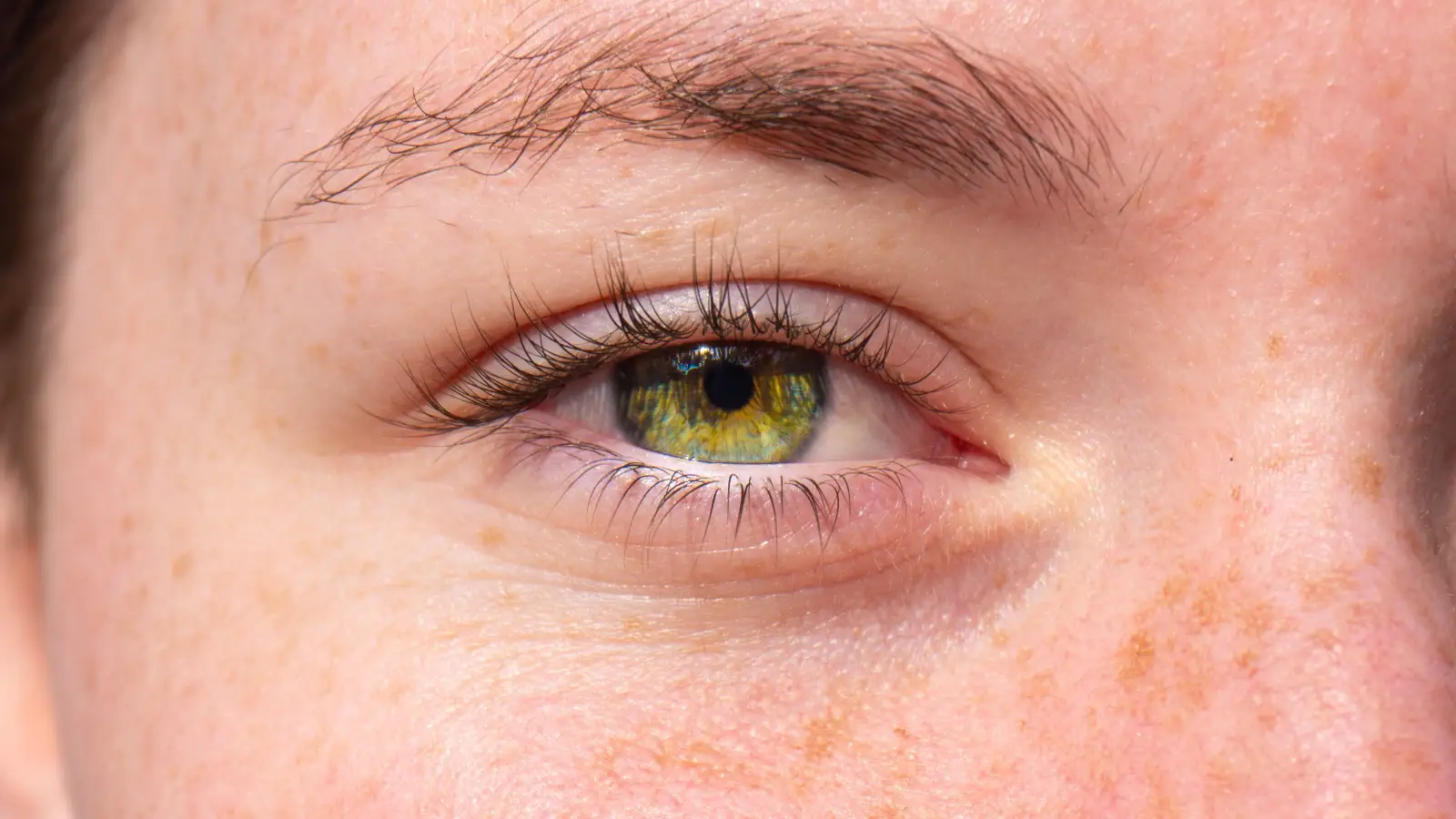
Think your dark spot is a sun spot? One reliable clue separates post-inflammatory hyperpigmentation from sun spots and melasma—no special tools needed.
Lemon juice can’t substitute a professional peel. Compare pH, penetration, and real adverse effects—and learn why “natural” isn’t gentle, especially for darker skin.
The real math behind age spot removal: from $330 for one spot to $9,000 for deep melasma. See how session count, device, and location triple the bill.