Why Formulators Match Base Systems to Prevent Color Shift
Color shift is usually a base-system mismatch, not a bad shade. How water-based and silicone-based films interact with oil, film formers, and humidity.
Long-wear film formers hold pigment to skin but don't freeze the shade. Here's how oxidation moves foundation color under an intact base on deep skin.
Why setting powder turns ashy and flashes back on deeper, textured skin, and the minimal press-and-blot routine that controls shine without a pale film.
Liquid, cream, stick, serum, or powder? How base systems and film formers decide ashiness, oxidation, and wear on dry, deep skin, plus how to test one.
Deep shades go gray from too much opaque white pigment, not from missing depth. Read the iron oxide ratio and the white load before you blame the shade.
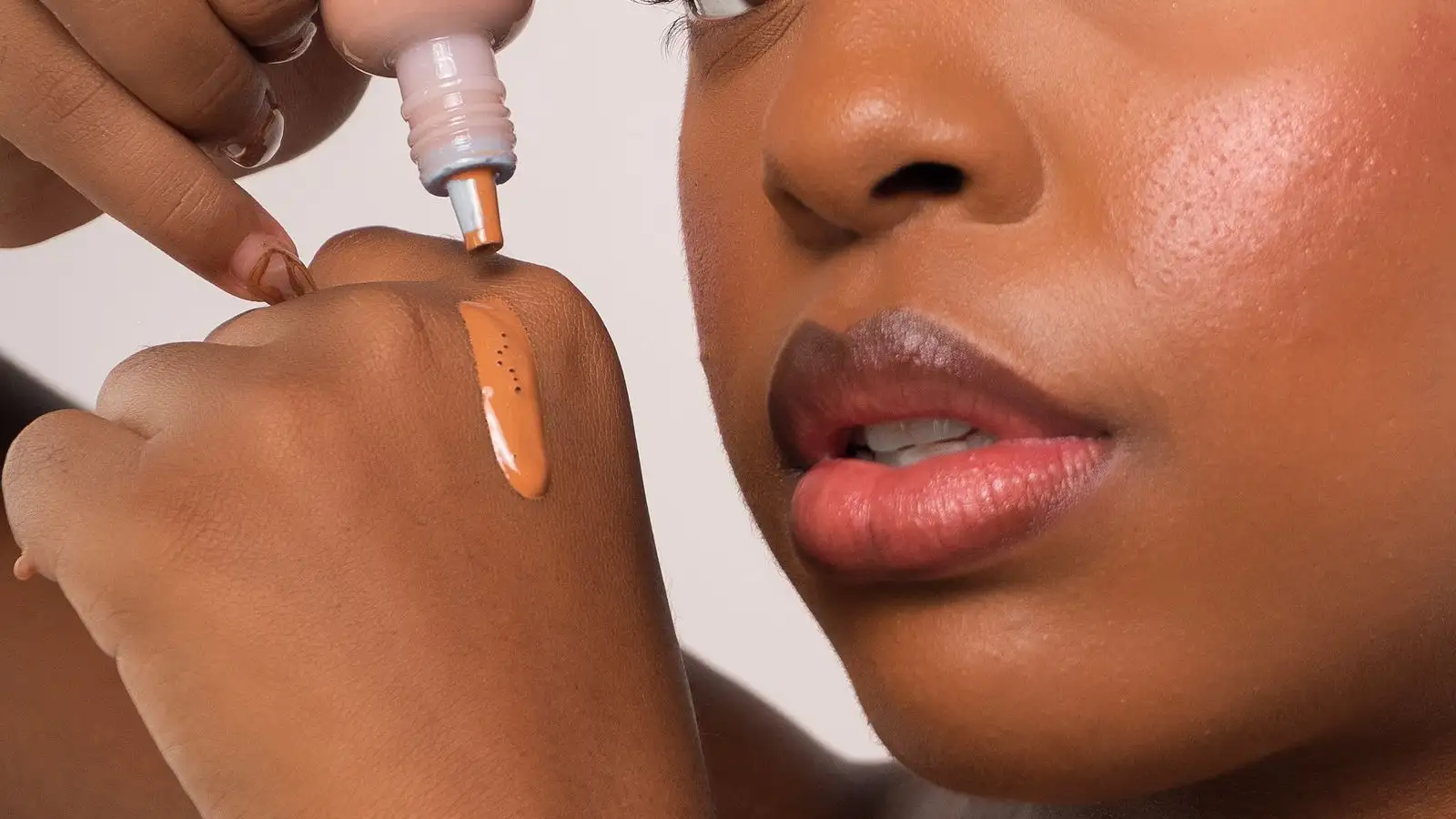
Oxidation, not the wrong shade, is why foundation turns orange on brown skin. Learn the pigment chemistry, the swatch test, and how to correct it fast.
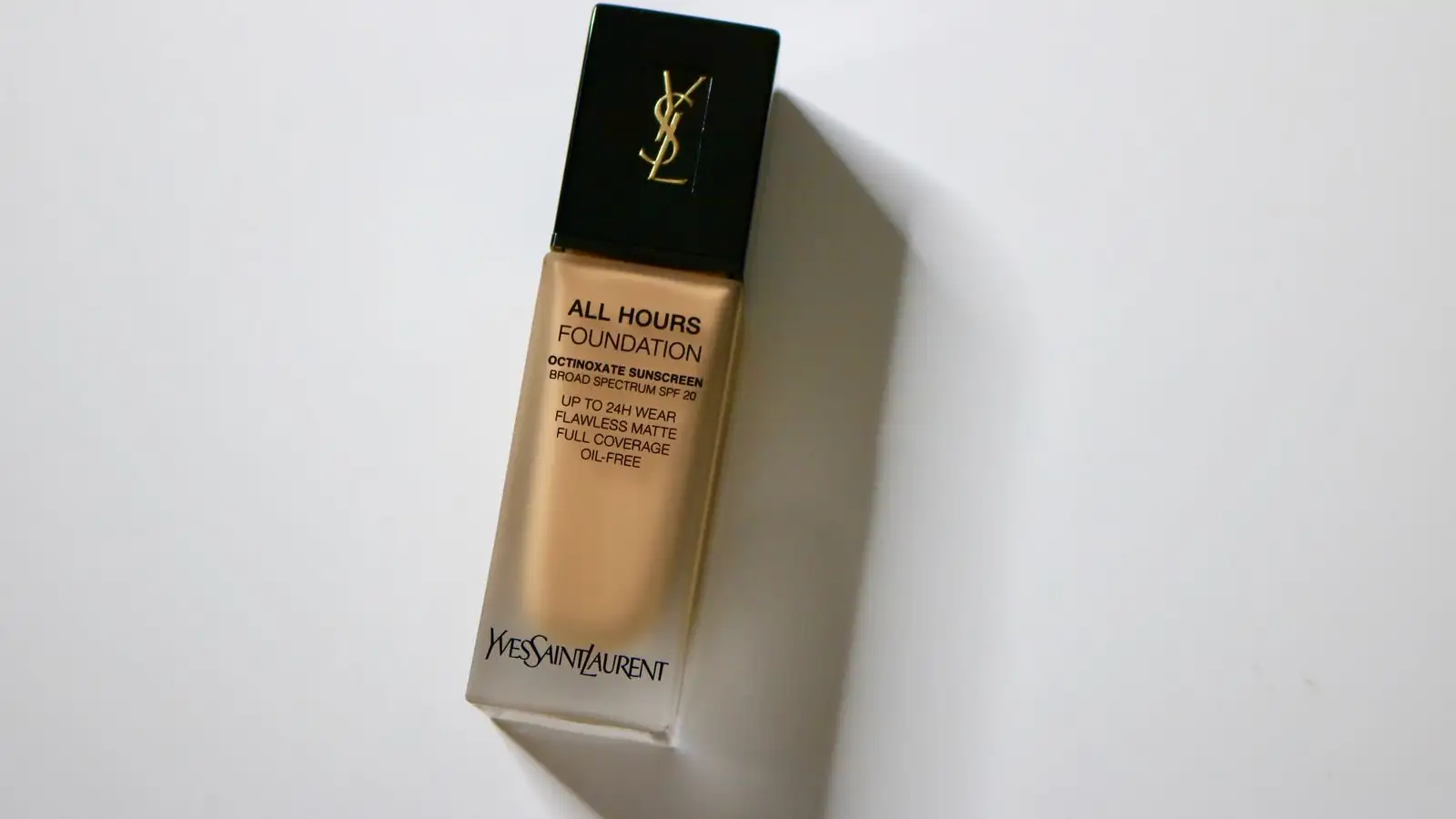
Full coverage is opacity, not smoothing. Here is why pigment load deepens pore edges and lines, and how to add coverage without pressing product into texture.
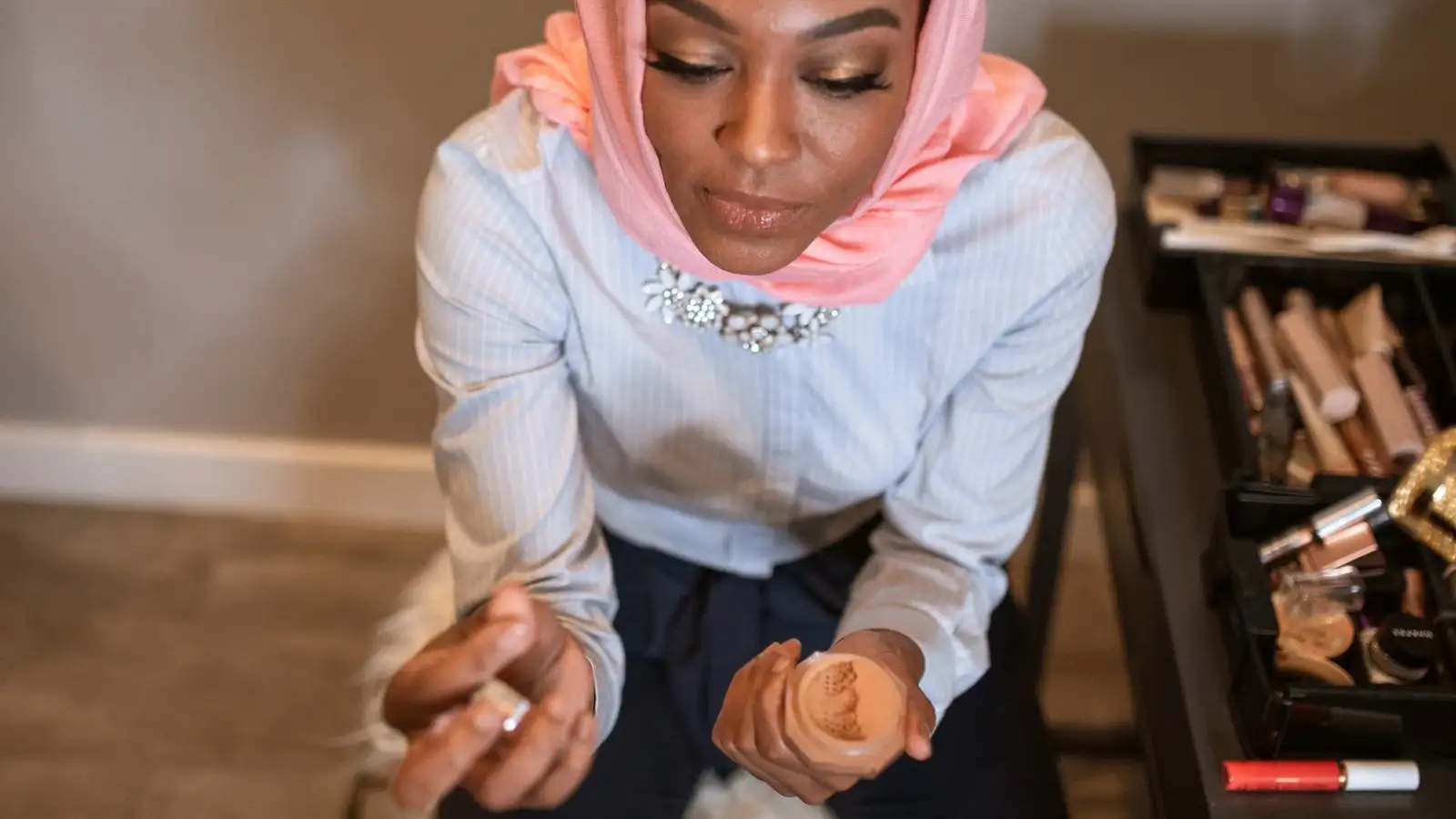
Too much powder, coarse particles, and full-face placement turn deep skin gray. How to set mature skin with less product and no ashy flashback.
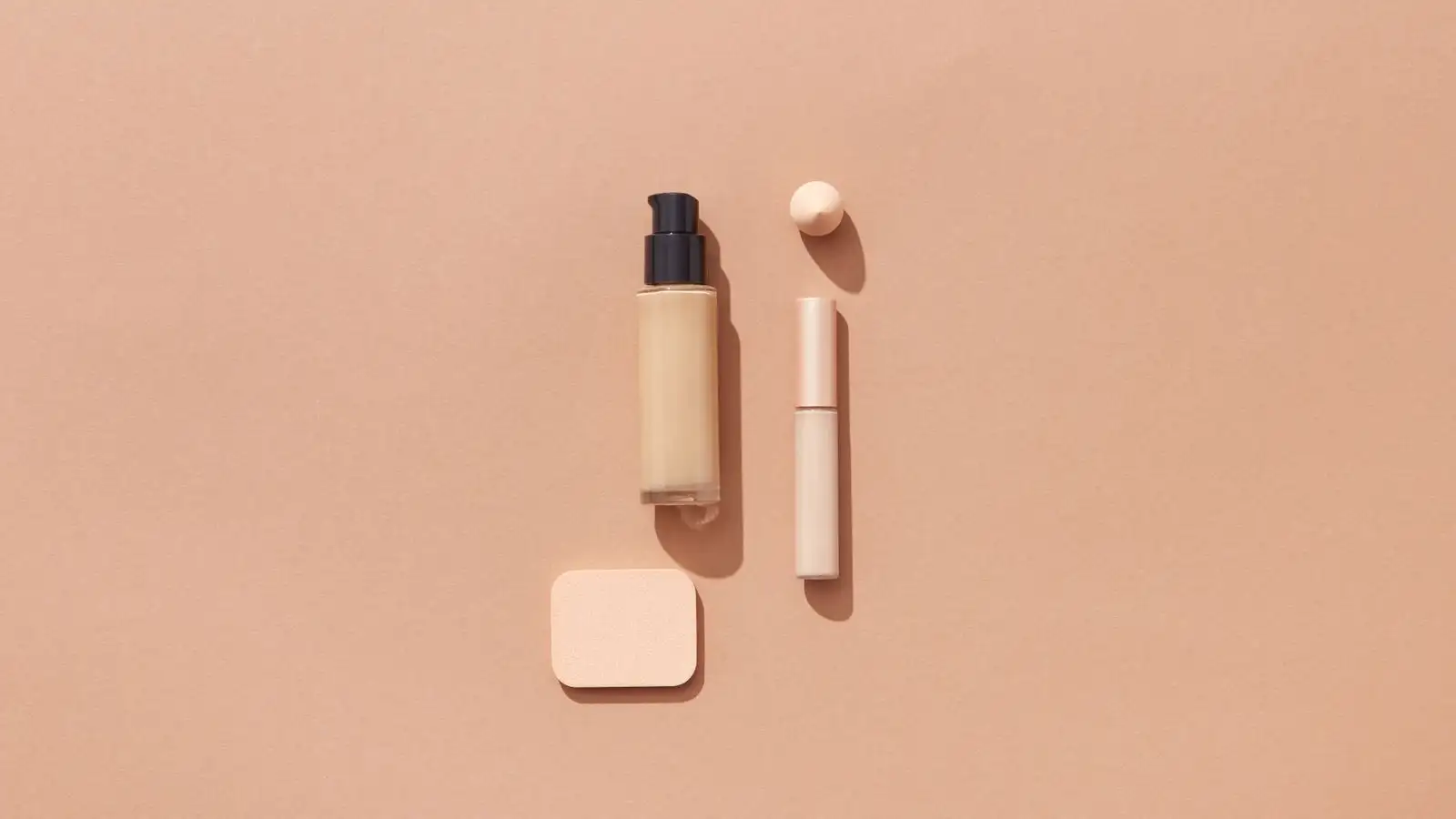
A serum foundation caps out because its watery base can only hold so much solid pigment. Here's how each format's structure sets its real coverage ceiling.
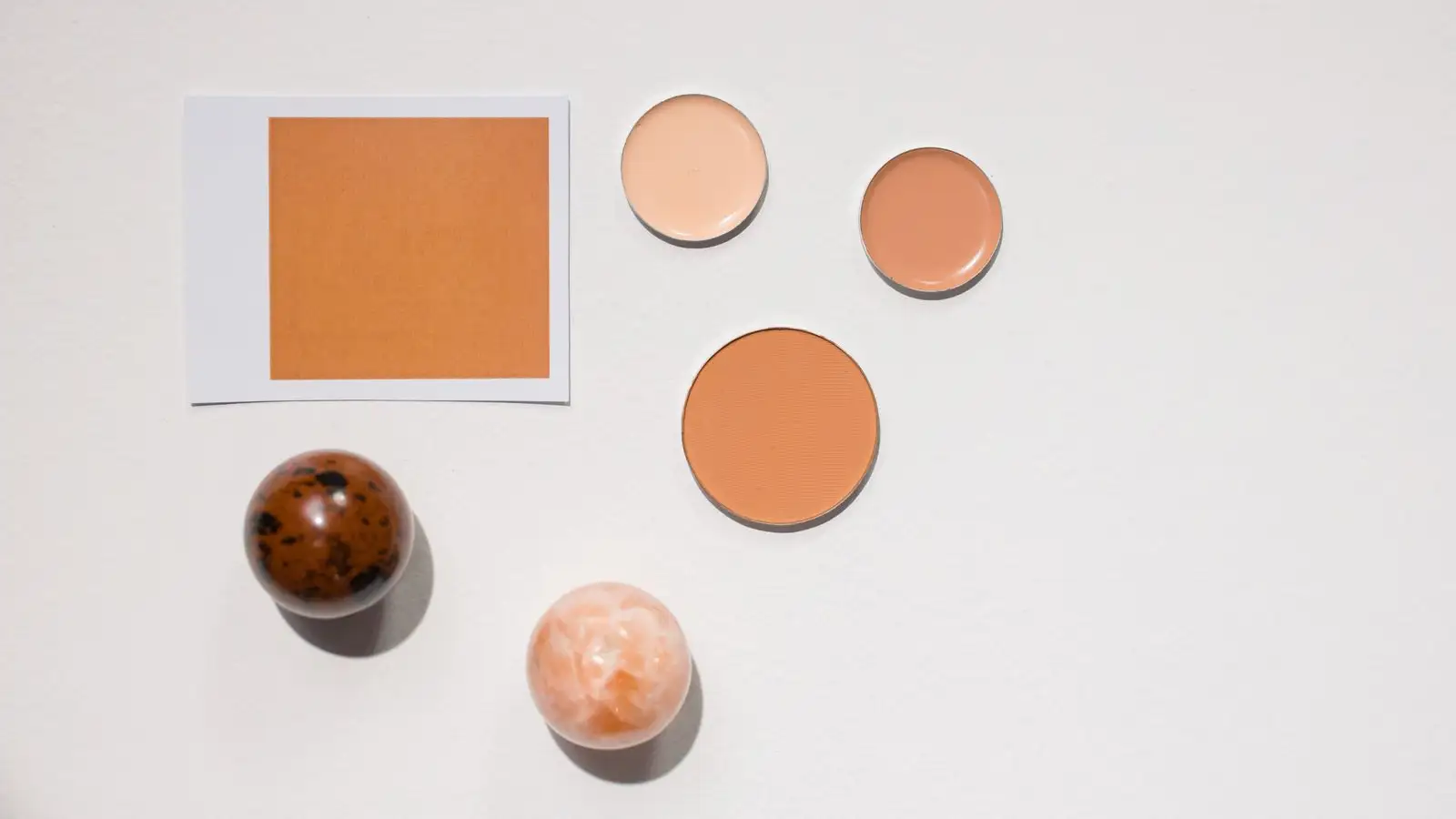
Every undertone name is shorthand for an iron oxide recipe. Here's why two warm foundations read golden and orange, and how to mix toward the ratio.