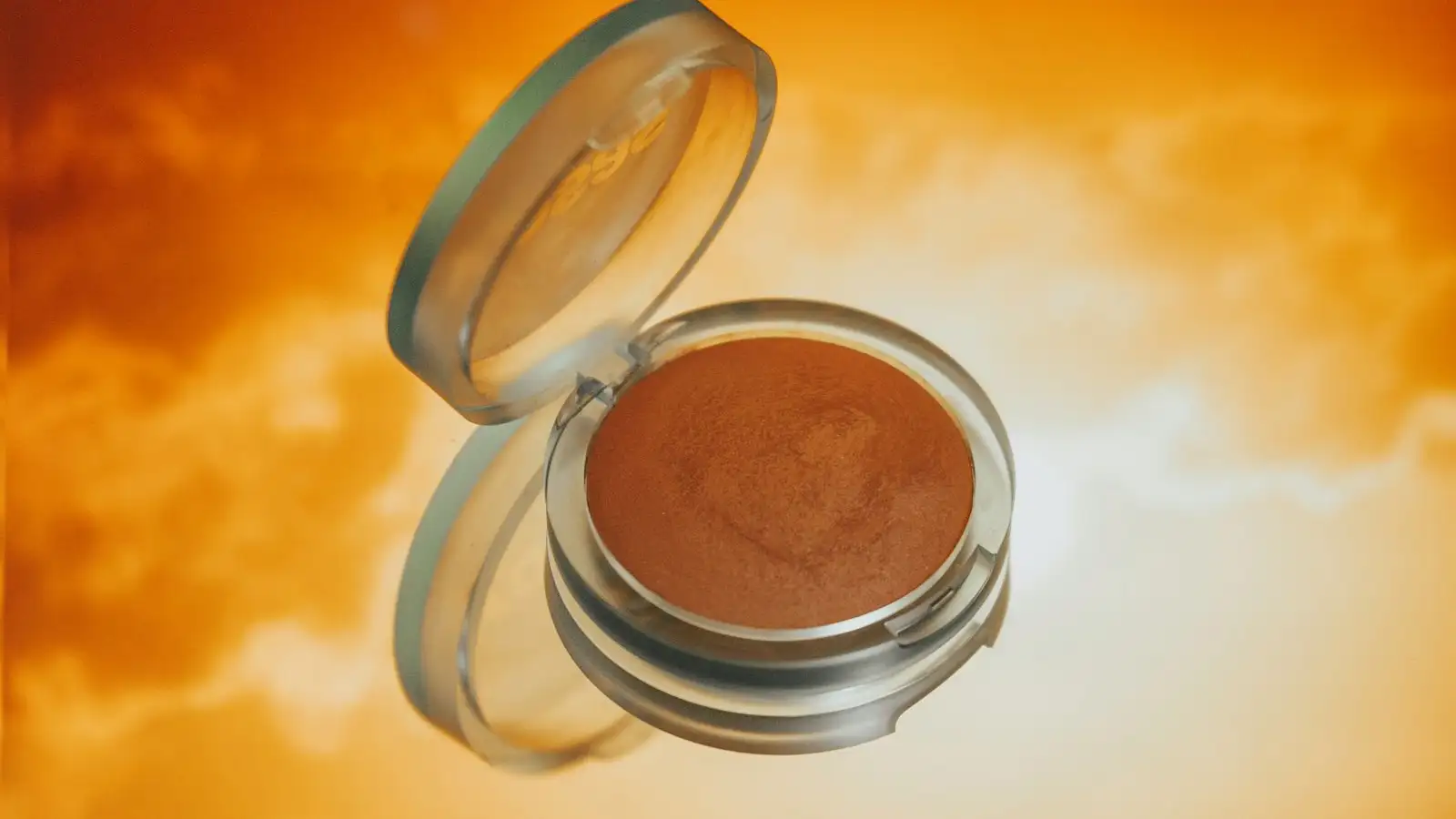
That Orange Shift by Noon? Oxidation, Not Your Shade
Your foundation goes orange or gray by afternoon because of oxidation, not a bad match. How to test for the color shift and adjust it without re-matching.
Your foundation goes orange or gray by afternoon because of oxidation, not a bad match. How to test for the color shift and adjust it without re-matching.
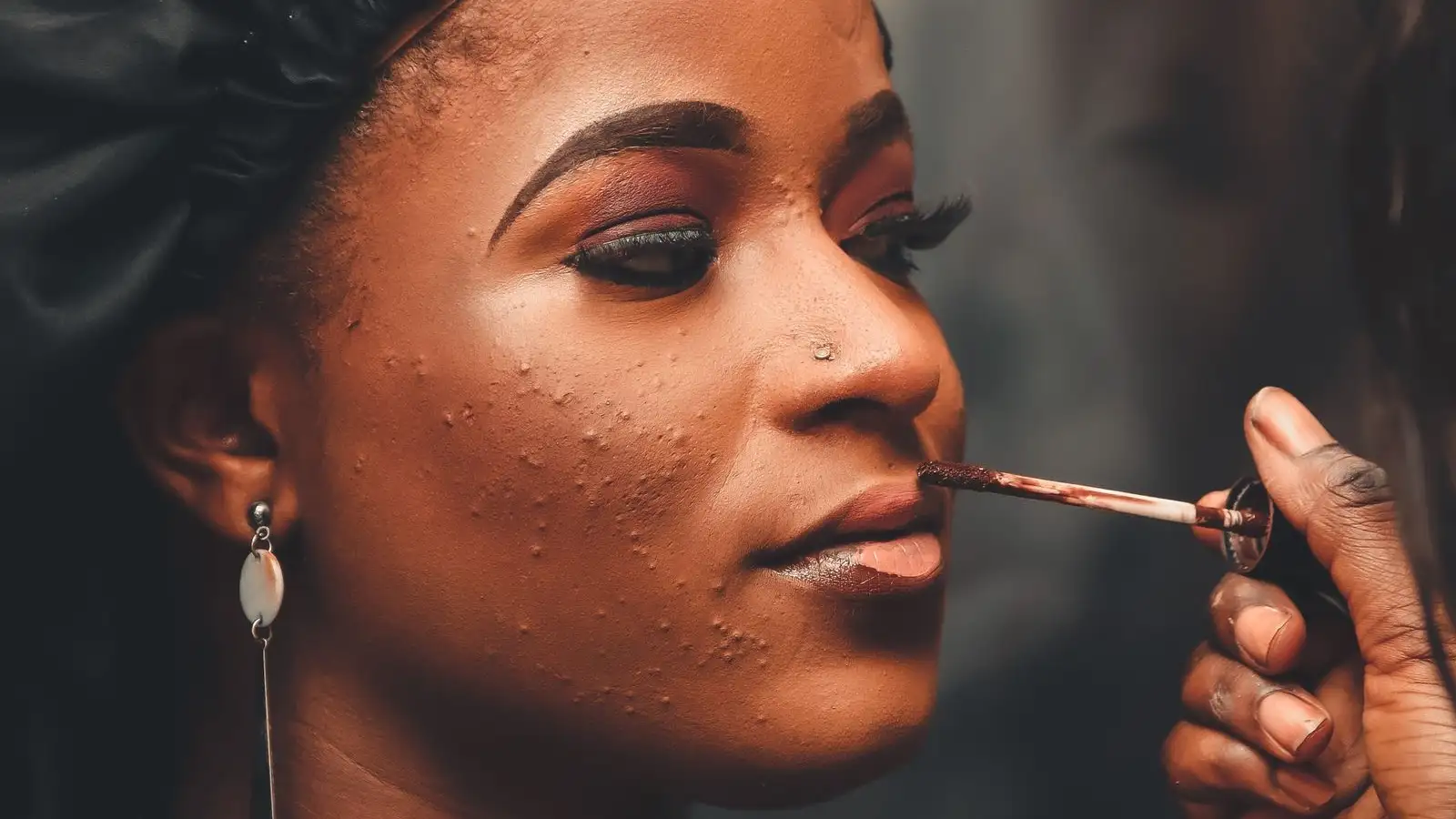
Pilling in the first minute, break-up by midday, settling by evening: a timing-based way to diagnose foundation texture on deep skin and adjust prep first.
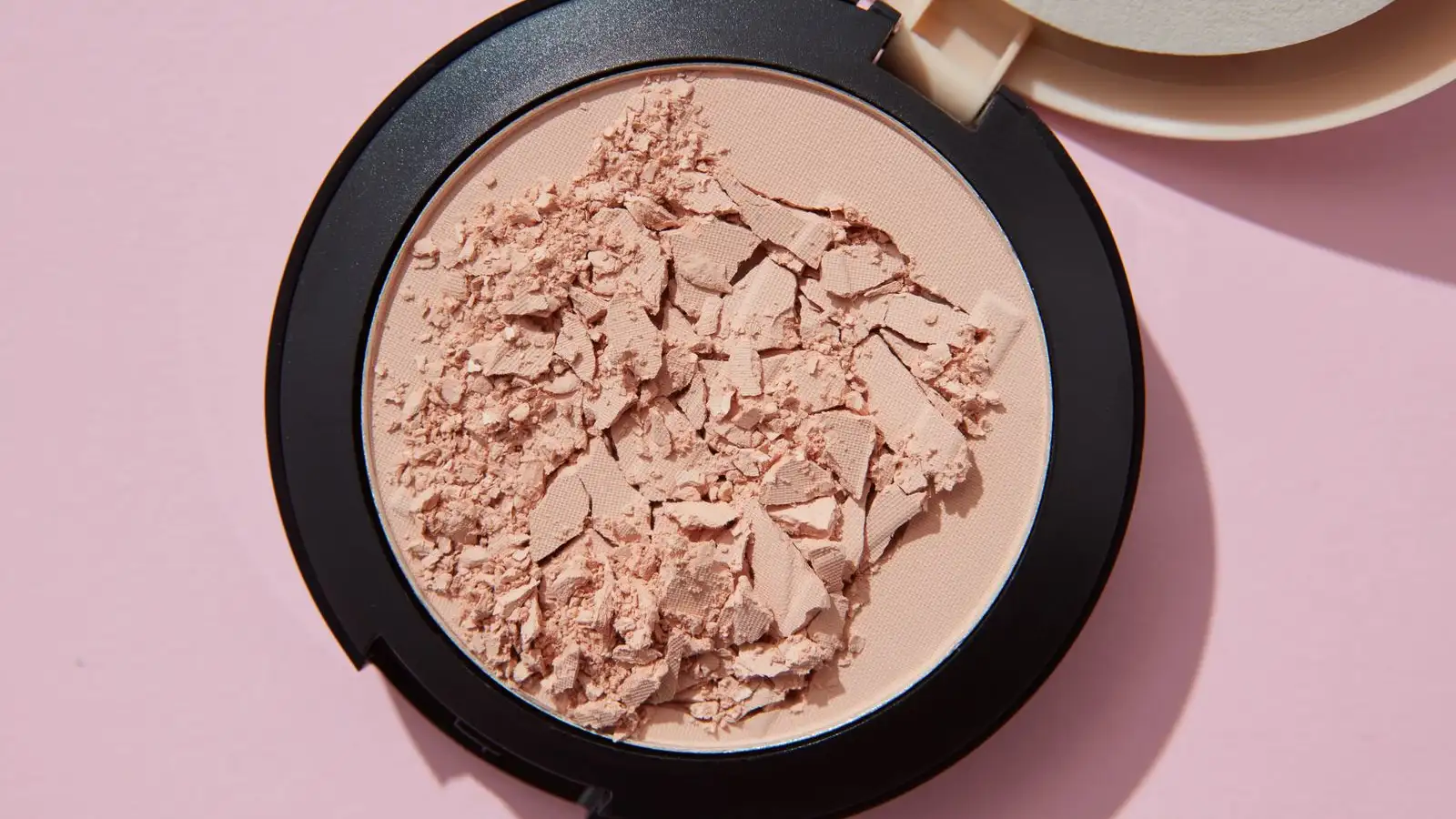
Wear powder to flash-photo events without the white cast. Place it after your base settles, press instead of sweep, and run a two-photo phone flash test first.
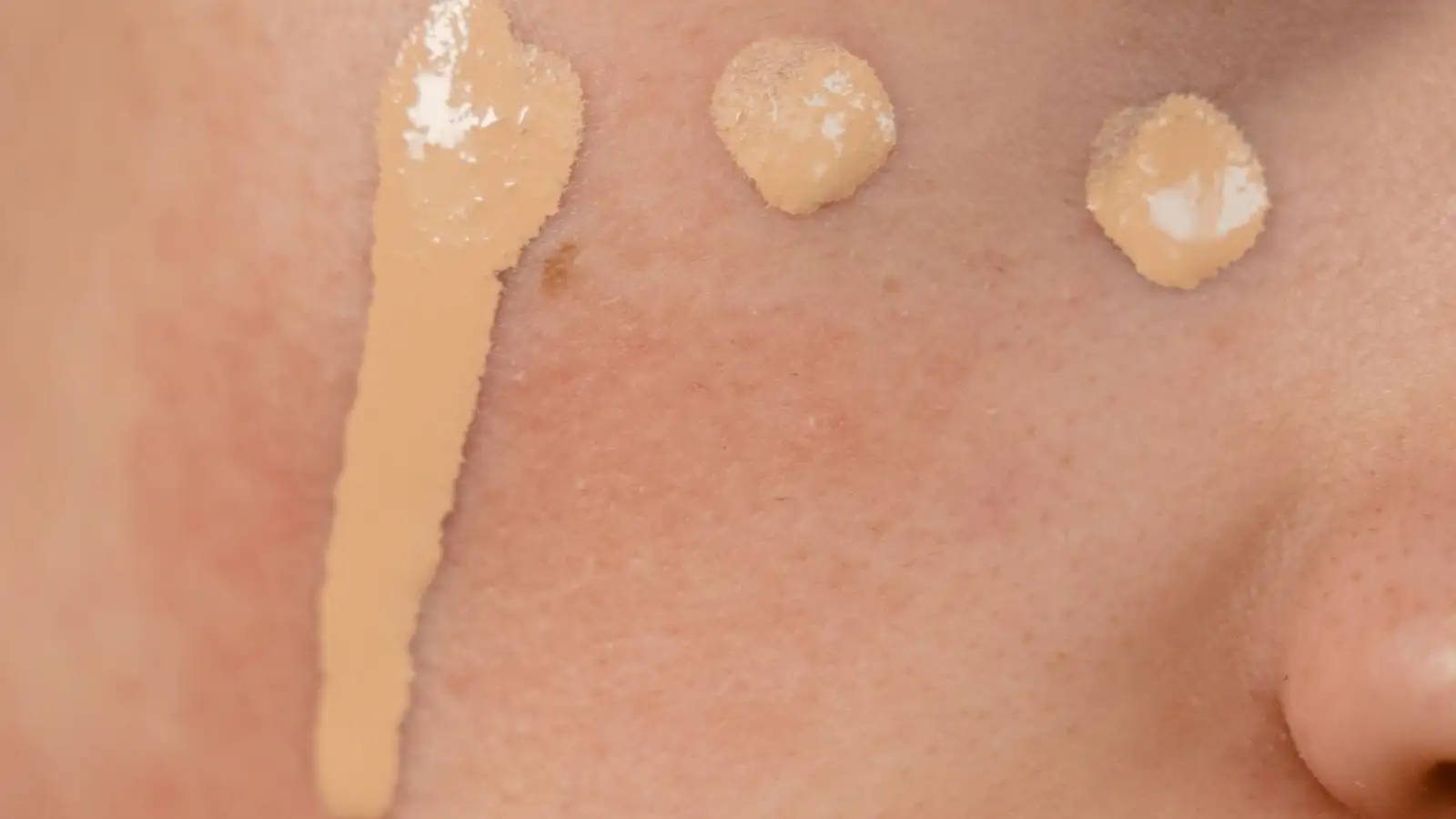
Liquid, cream, stick, powder, and serum foundations behave differently on textured skin. Compare base, pigment load, and film formers, not brands.
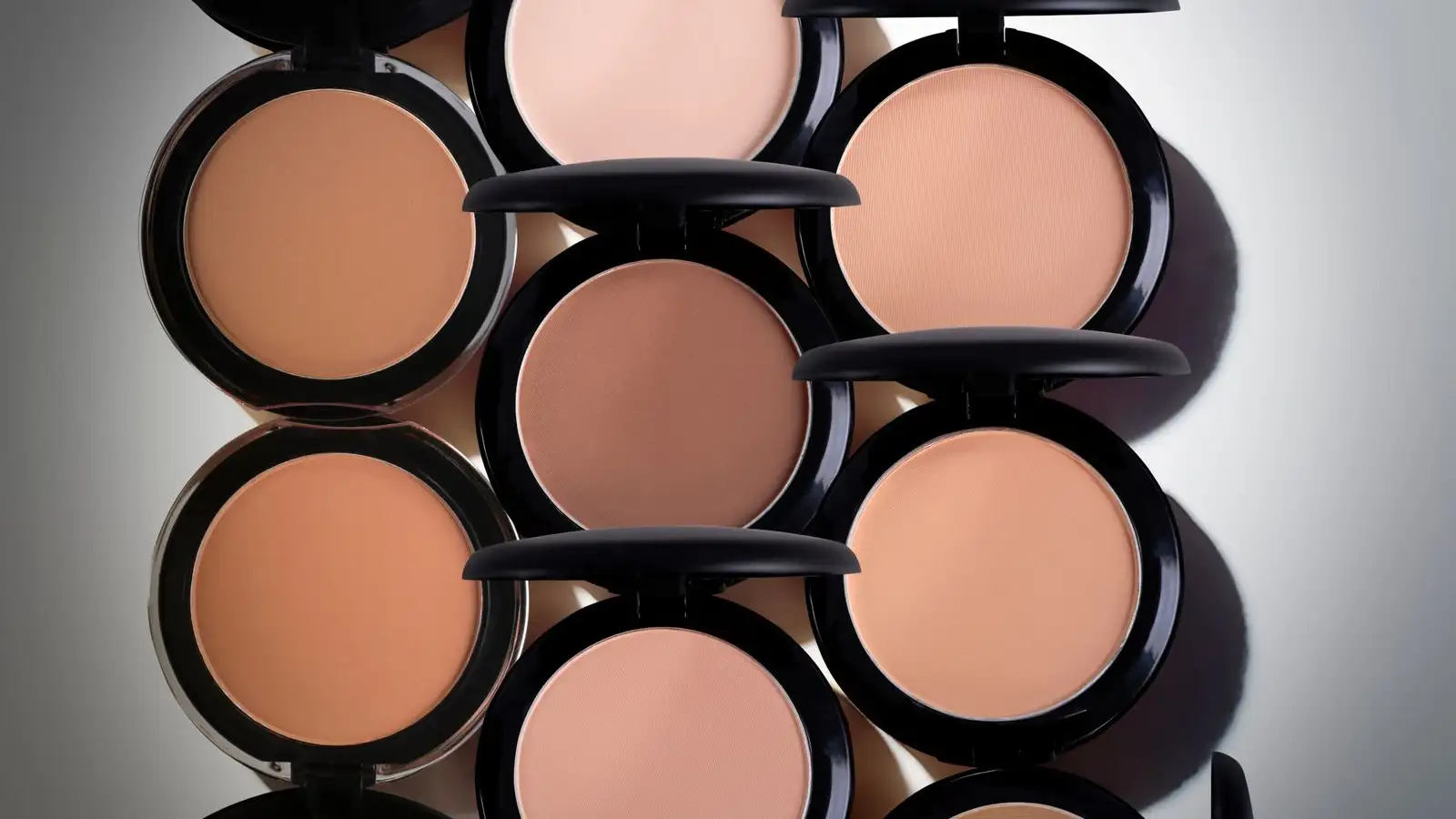
Red, yellow, and black iron oxides are the whole palette. Learn how the ratio between them sets depth, warmth, and saturation in brown foundation.
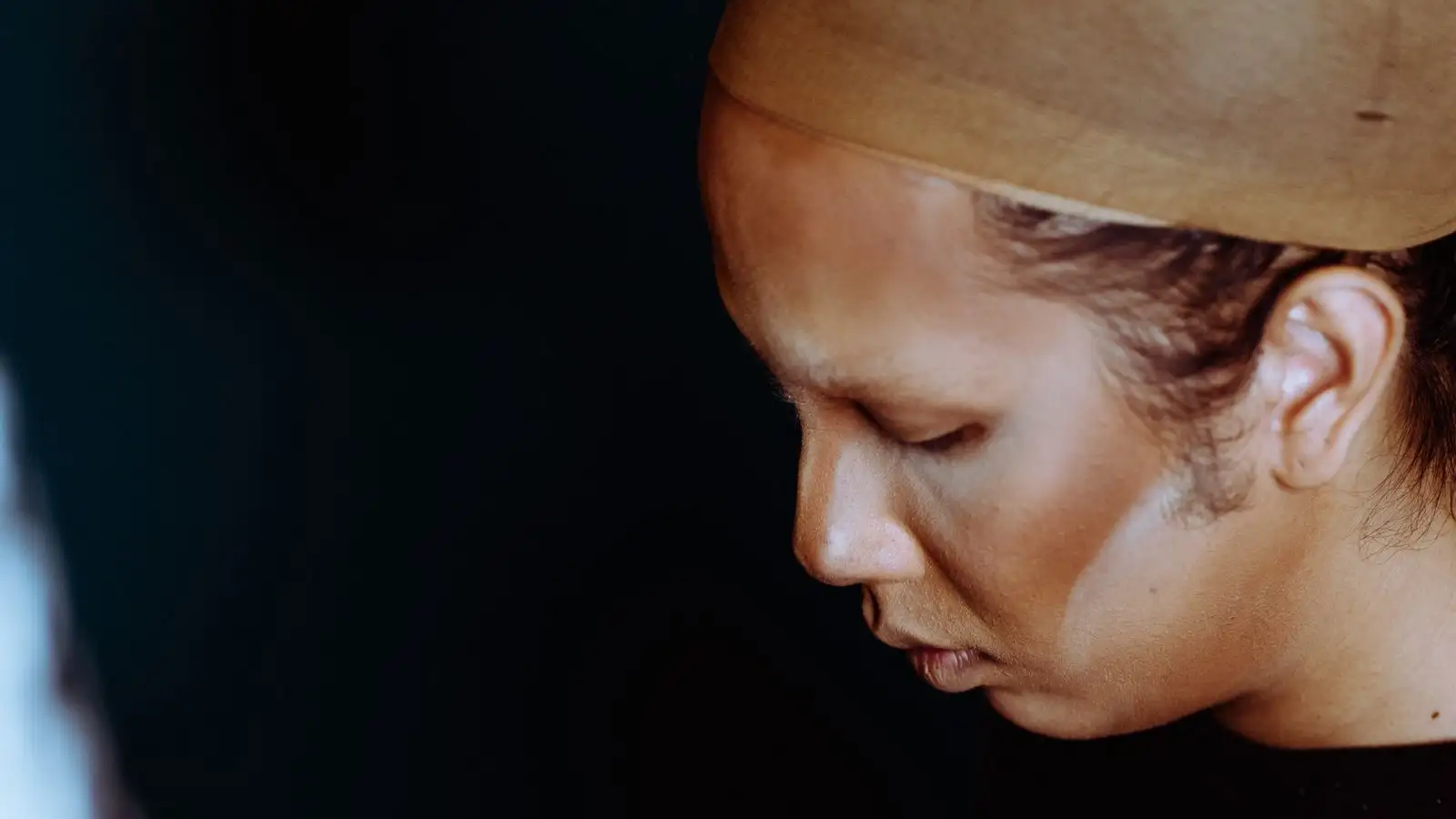
Film formers, volatile silicones, and pigment load decide how foundation wears on deep skin. Learn to read a base system and predict wear before you buy.
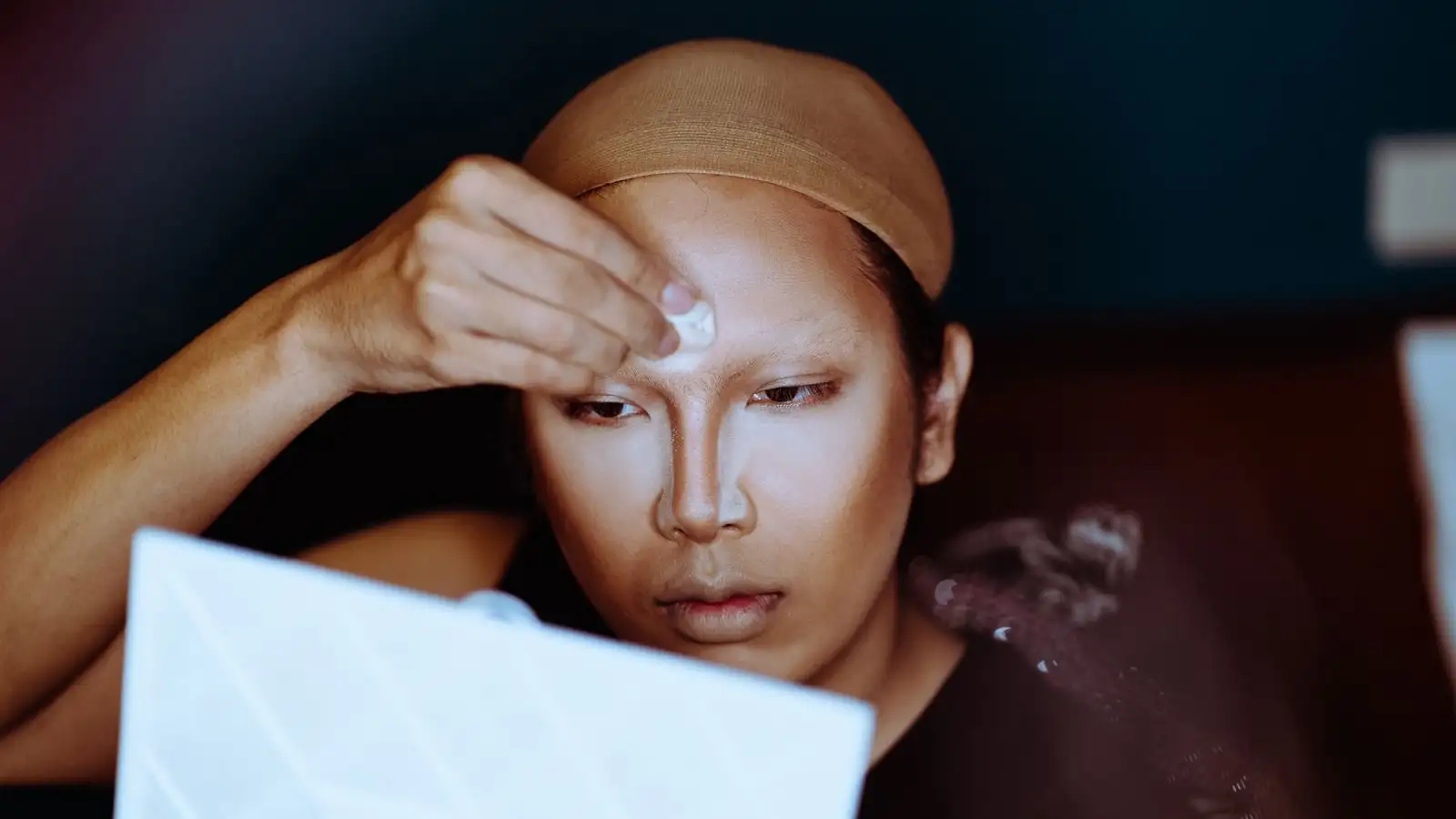
Your foundation isn't too light — flashback bounces white back at the camera. Run a dark-room phone flash test and check ingredients before your next event.
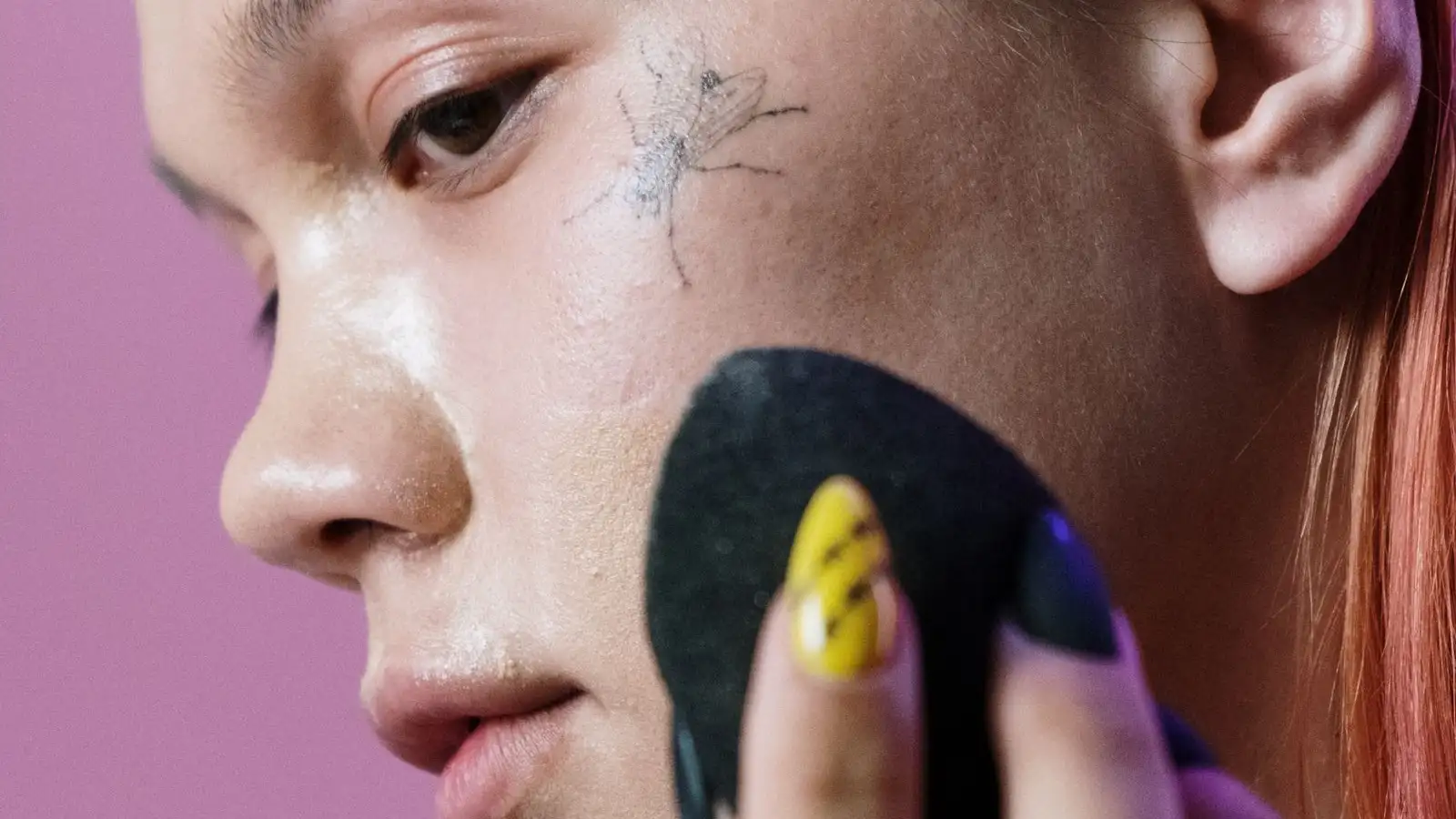
Foundation collects in texture because of how much you apply and when each layer goes on. A diagnostic routine for spotting and fixing settled base.
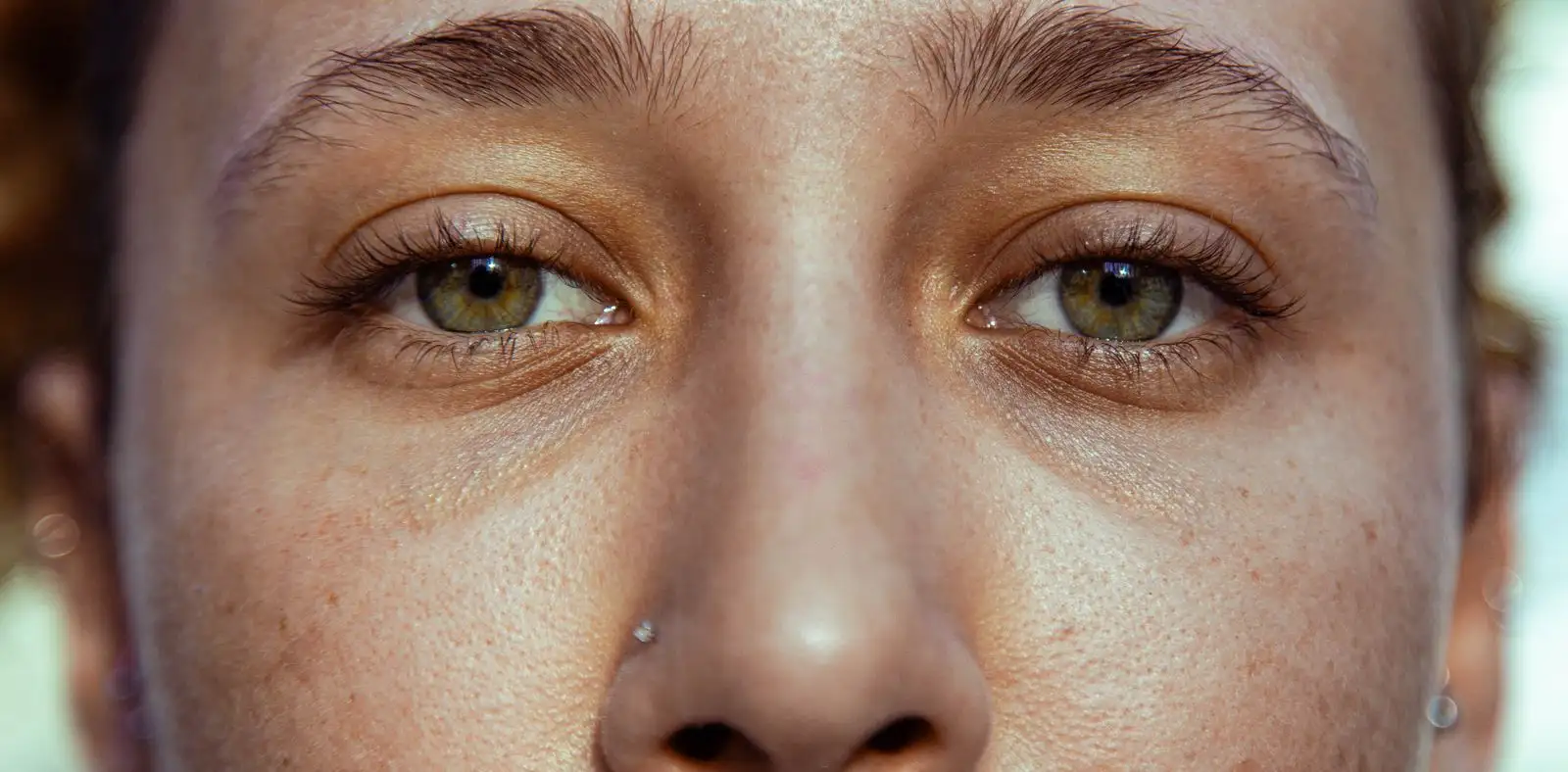
Pressing powder into pores makes them read bigger. Learn dusting vs pressing, how silica and mica cause flashback and white cast, and why baking backfires.
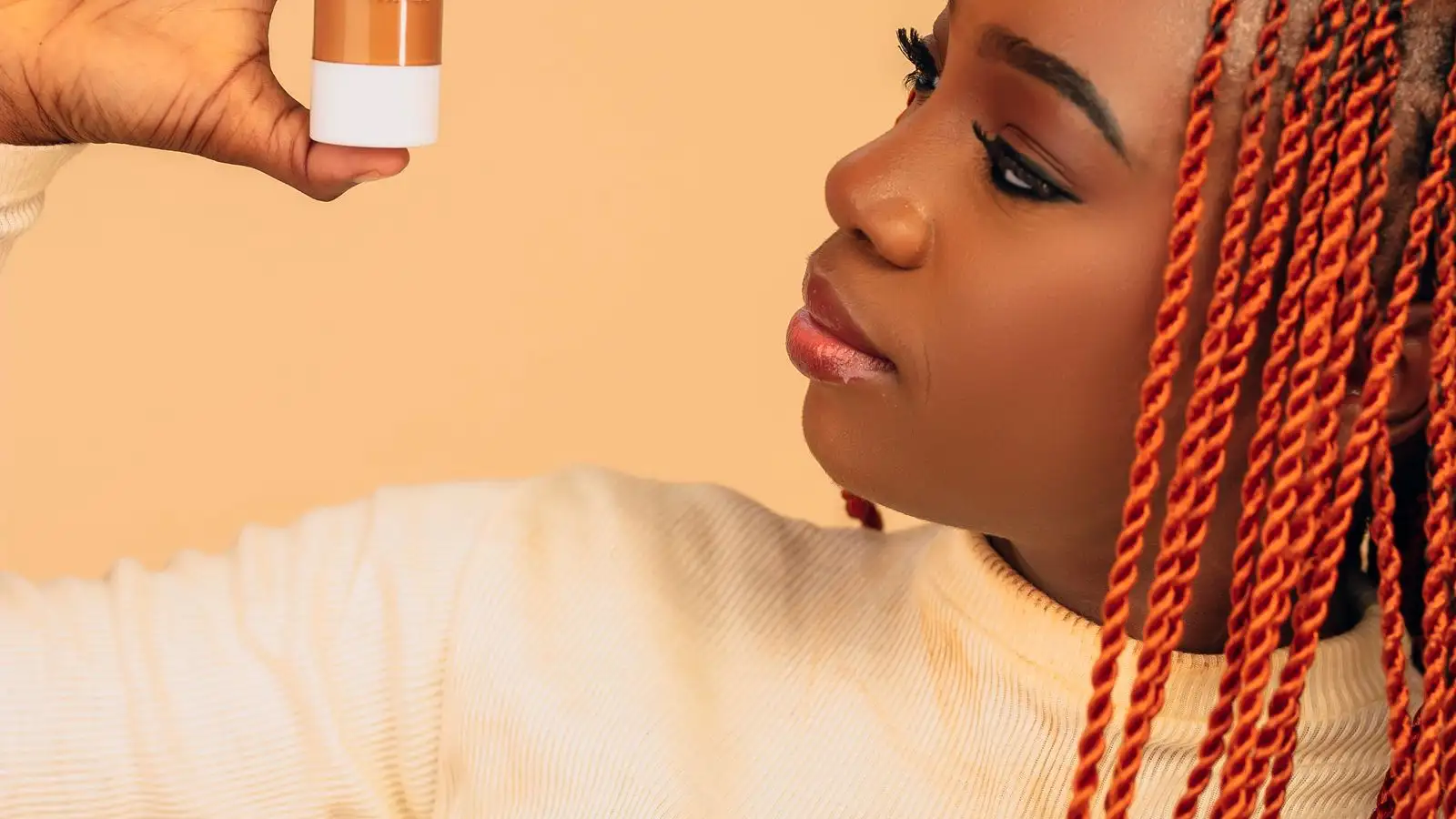
How water, silicone, oil, wax, and powder bases behave on mature deep skin, and how to choose between liquid, cream, stick, serum, and powder formulas.