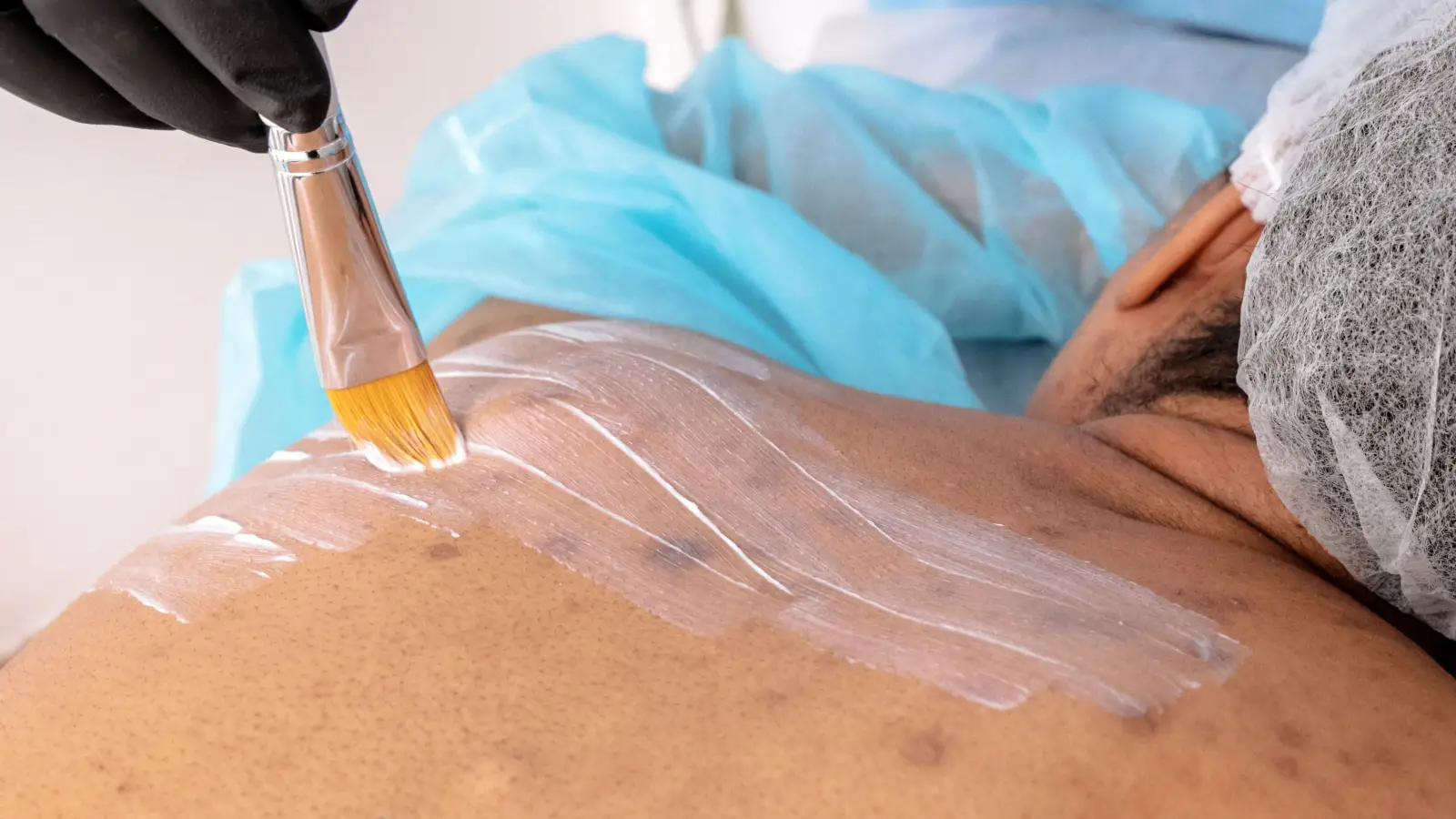
Chemical Peel for Dark Spots: Avoid This Depth Mistake
The wrong chemical peel depth can trigger post-inflammatory hyperpigmentation, especially on darker skin. Learn why medium-depth peels backfire and how superficial peels safely fade dark spots.
The wrong chemical peel depth can trigger post-inflammatory hyperpigmentation, especially on darker skin. Learn why medium-depth peels backfire and how superficial peels safely fade dark spots.
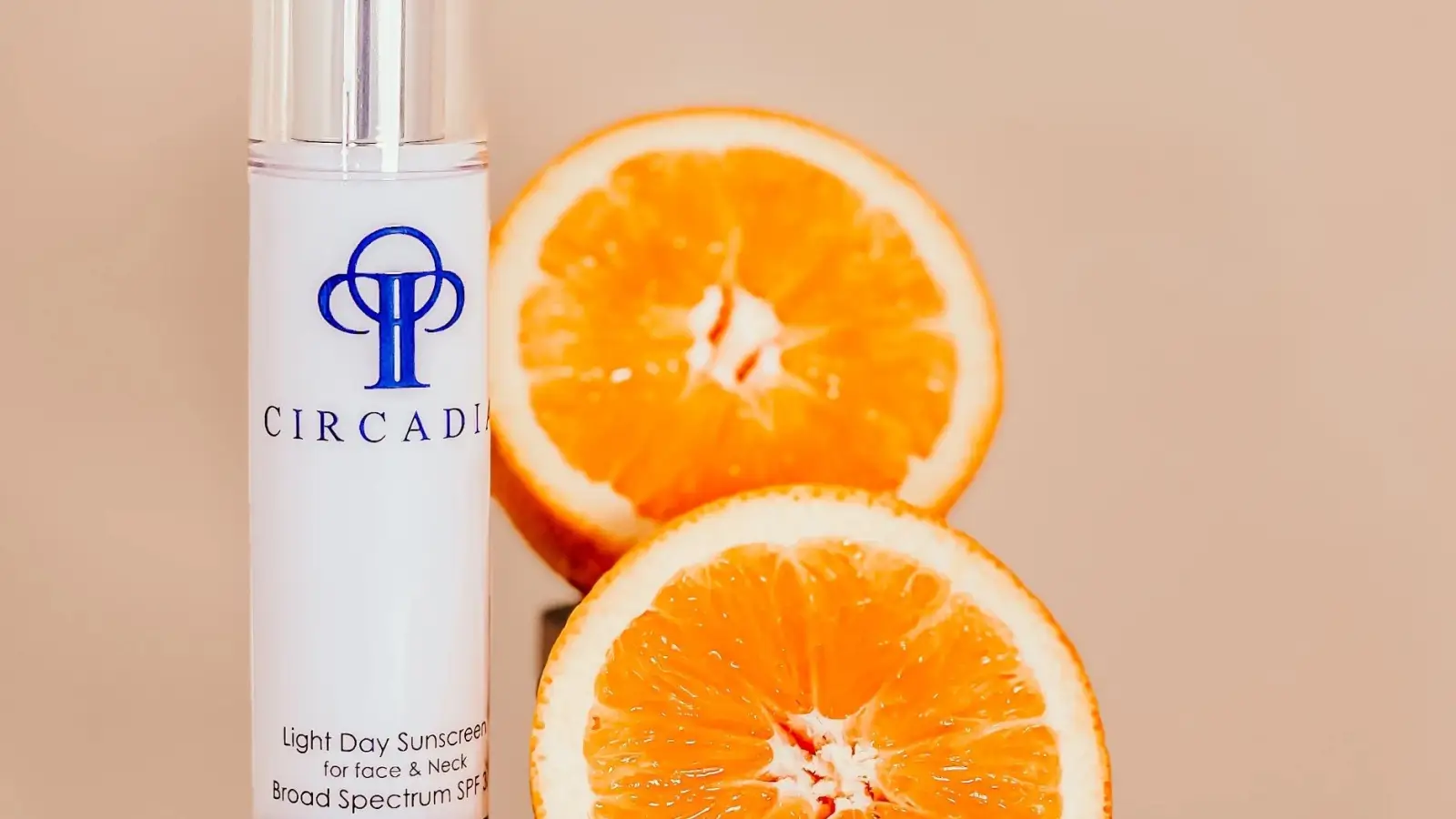
Learn the right way to layer vitamin C under sunscreen to fade dark spots faster. The photoprotective synergy that amplifies results—no more wasted effort.
When does a dermatologist choose oral, topical, or injectable tranexamic acid for melasma? This guide explains the vascular link and when TXA fits your treatment plan.

A laser session that darkens melasma signals a treatment mismatch. Low-fluence, multi-pass protocols plus pre-treatment tyrosinase inhibition can safely fade melasma.

Laser spot removal quotes hide the true price. See the multi-session math, geography markups, and credential surcharges that turn a $400 consult into $2,500 or more.
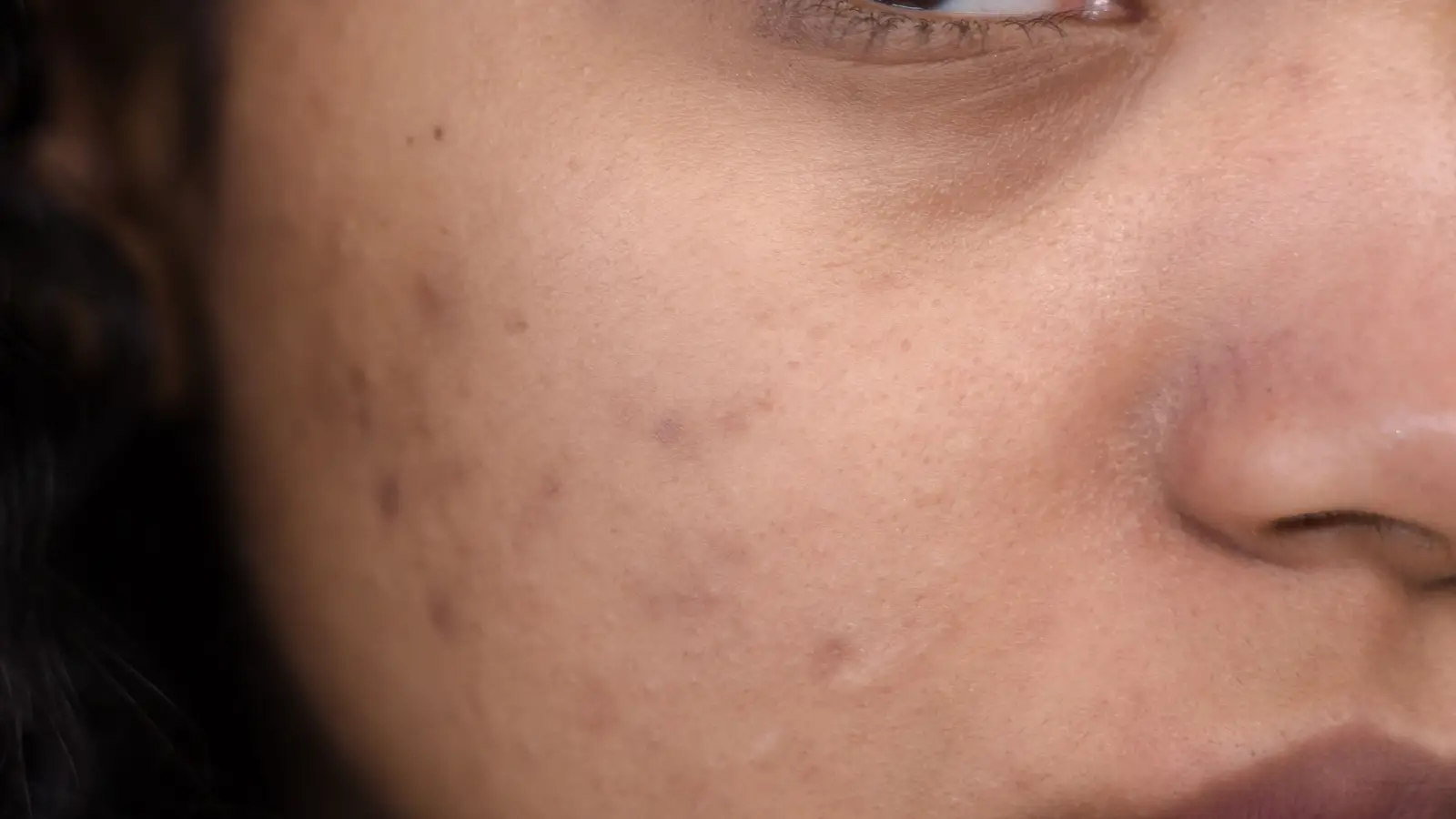
Microneedling interrupts melanocyte-keratinocyte signaling to fade marks that won’t budge. How PIH duration changes needle depth, session count, and results.
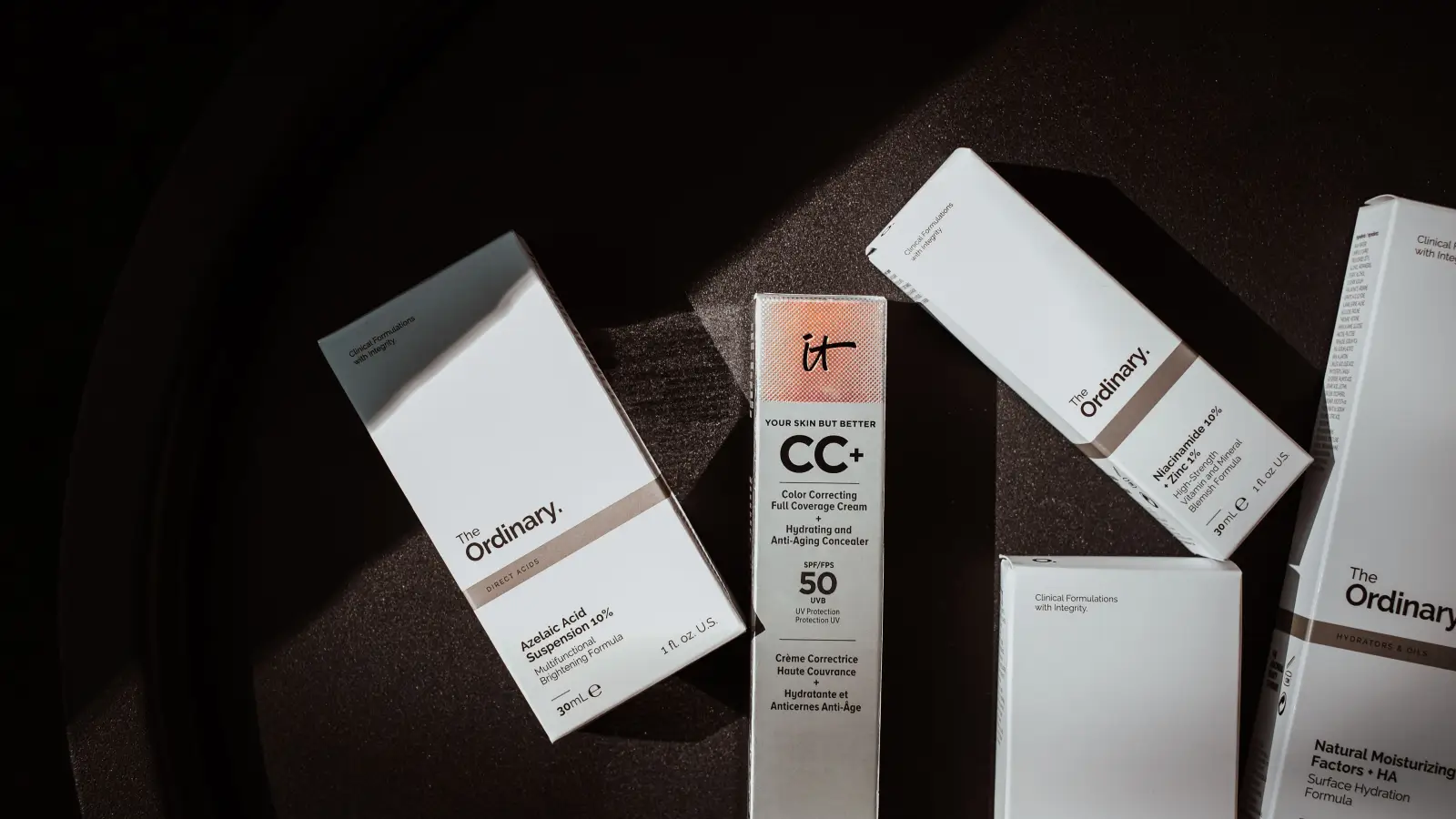
High SPF alone won’t prevent hyperpigmentation. Learn why UVA protection (PA+ rating, PPD, UVA circle) is what your sunscreen label isn’t telling you about dark spots.
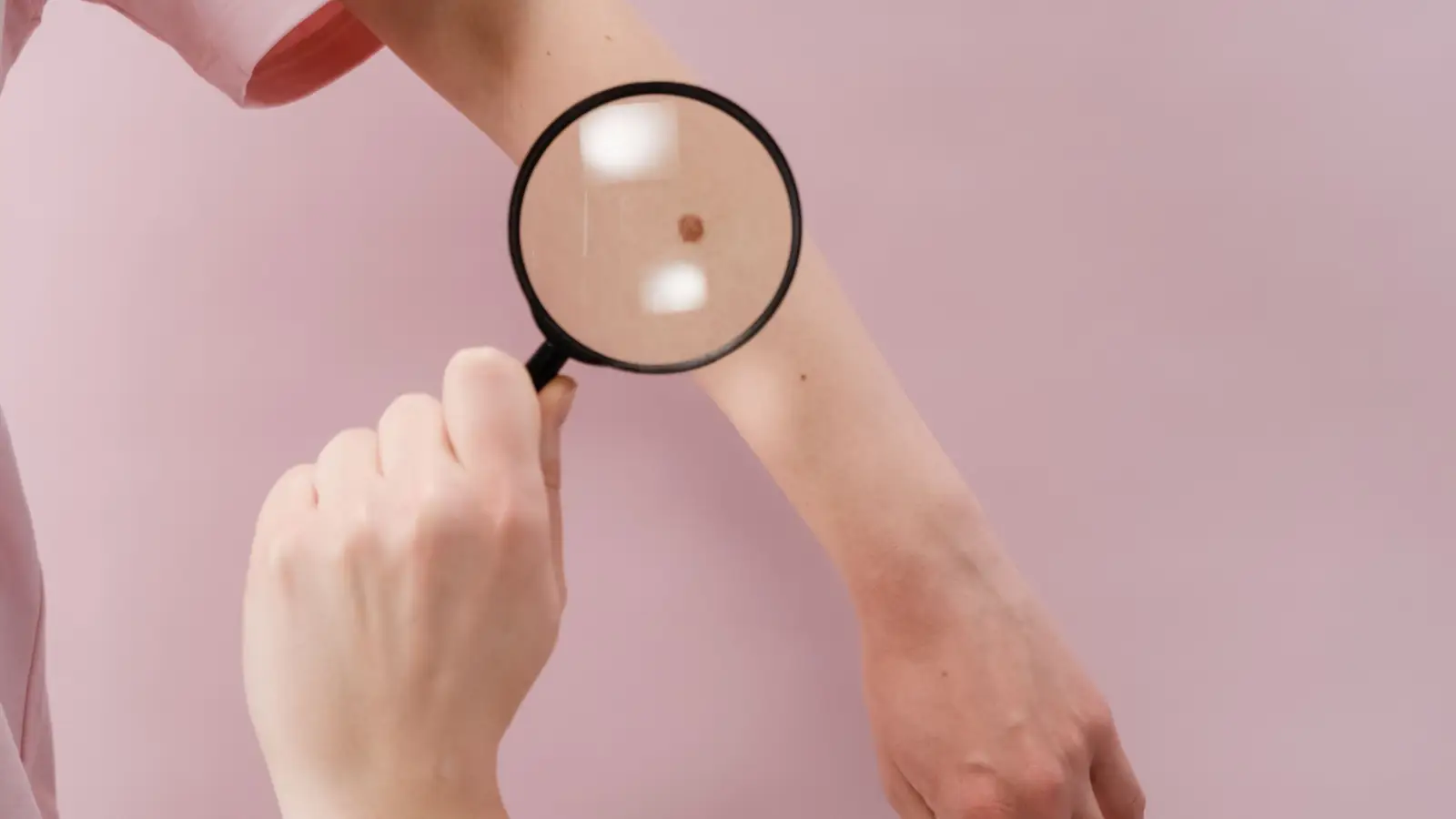
Learn why a derm screens Fitzpatrick I–III skin and rules out melasma before using alexandrite laser. The 755 nm wavelength works in a narrow deep window — here’s how.
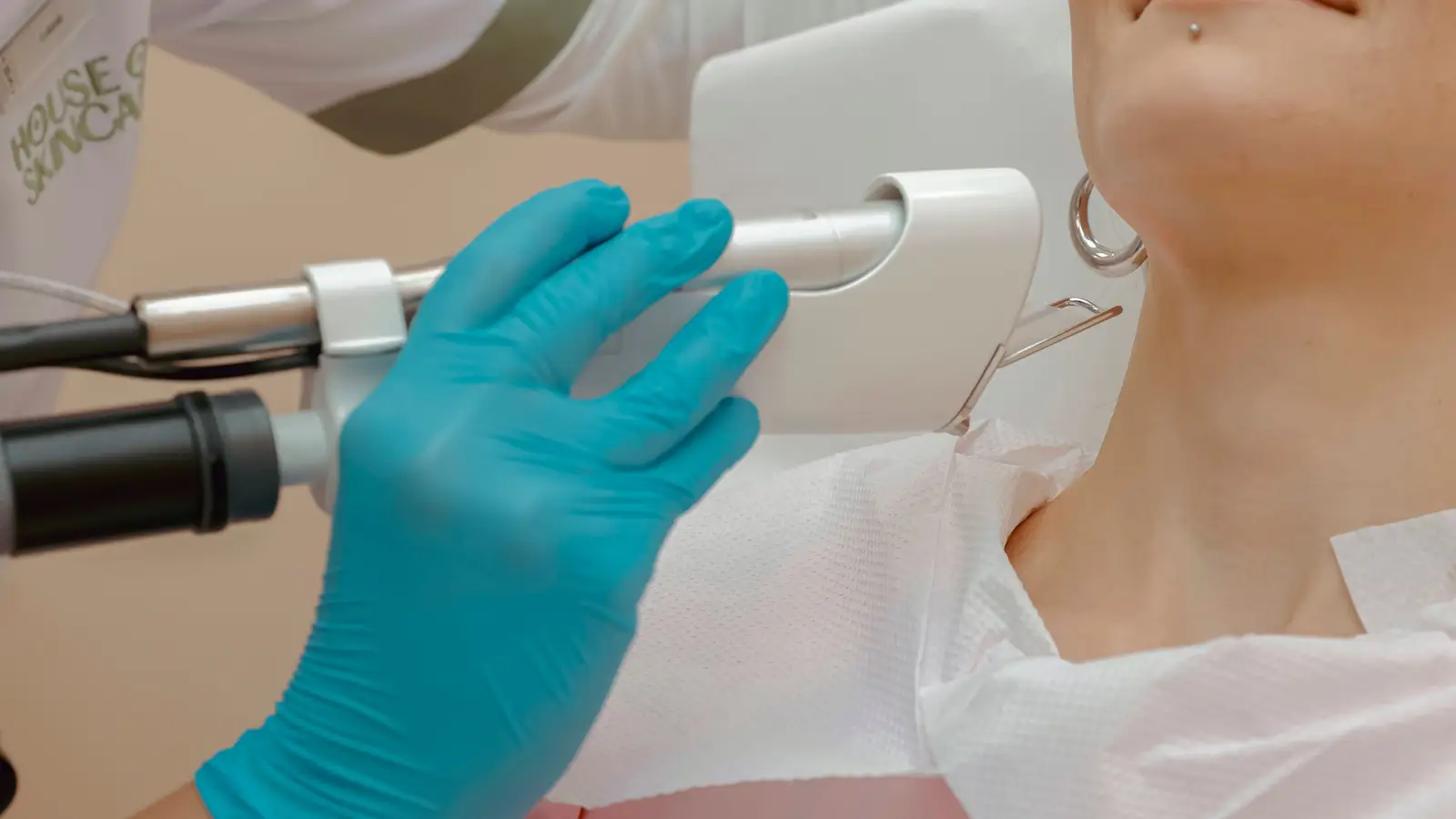
For fair skin spots, alexandrite wins on speed and clearance. But for darker skin, Nd:YAG and IPL avoid PIH. See the Fitzpatrick decision table.

Learn what to expect during the 7-day peeling process after a chemical peel, from sheet stage to healing, and how to spot infection or over-exfoliation.