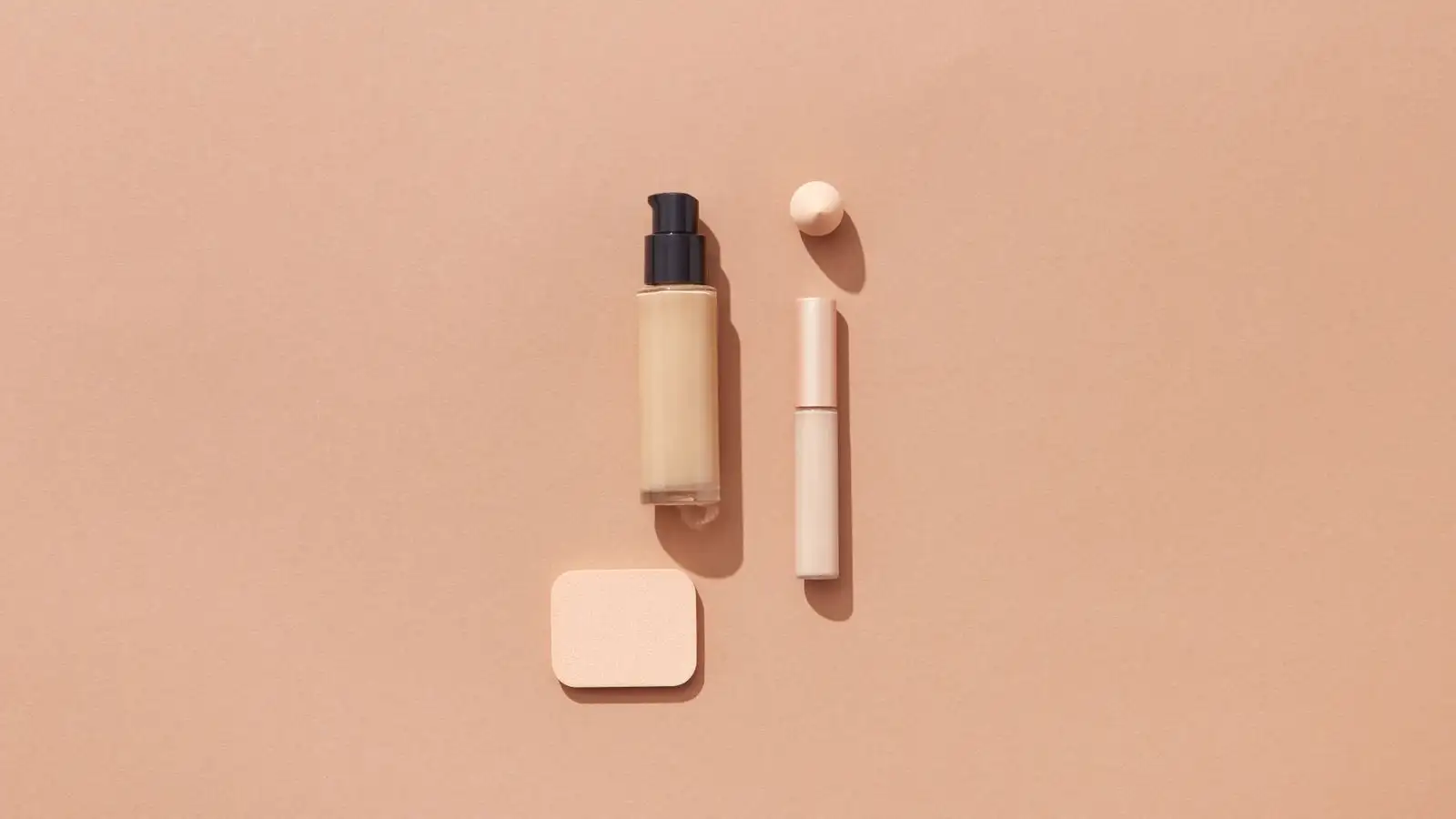
Your serum foundation has a coverage ceiling built in
A serum foundation caps out because its watery base can only hold so much solid pigment. Here's how each format's structure sets its real coverage ceiling.
A serum foundation caps out because its watery base can only hold so much solid pigment. Here's how each format's structure sets its real coverage ceiling.
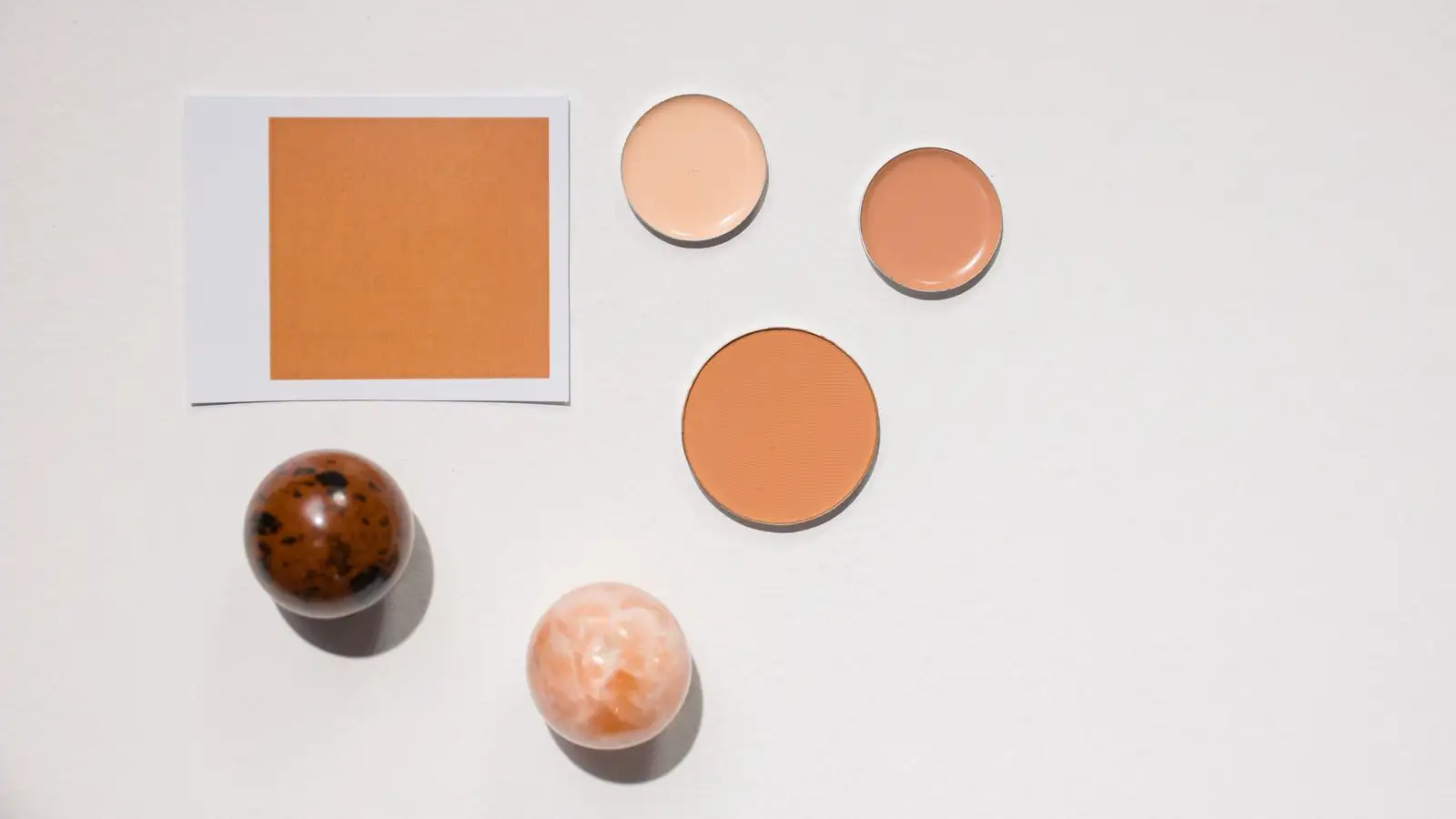
Every undertone name is shorthand for an iron oxide recipe. Here's why two warm foundations read golden and orange, and how to mix toward the ratio.
Your foundation goes orange or gray by afternoon because of oxidation, not a bad match. How to test for the color shift and adjust it without re-matching.
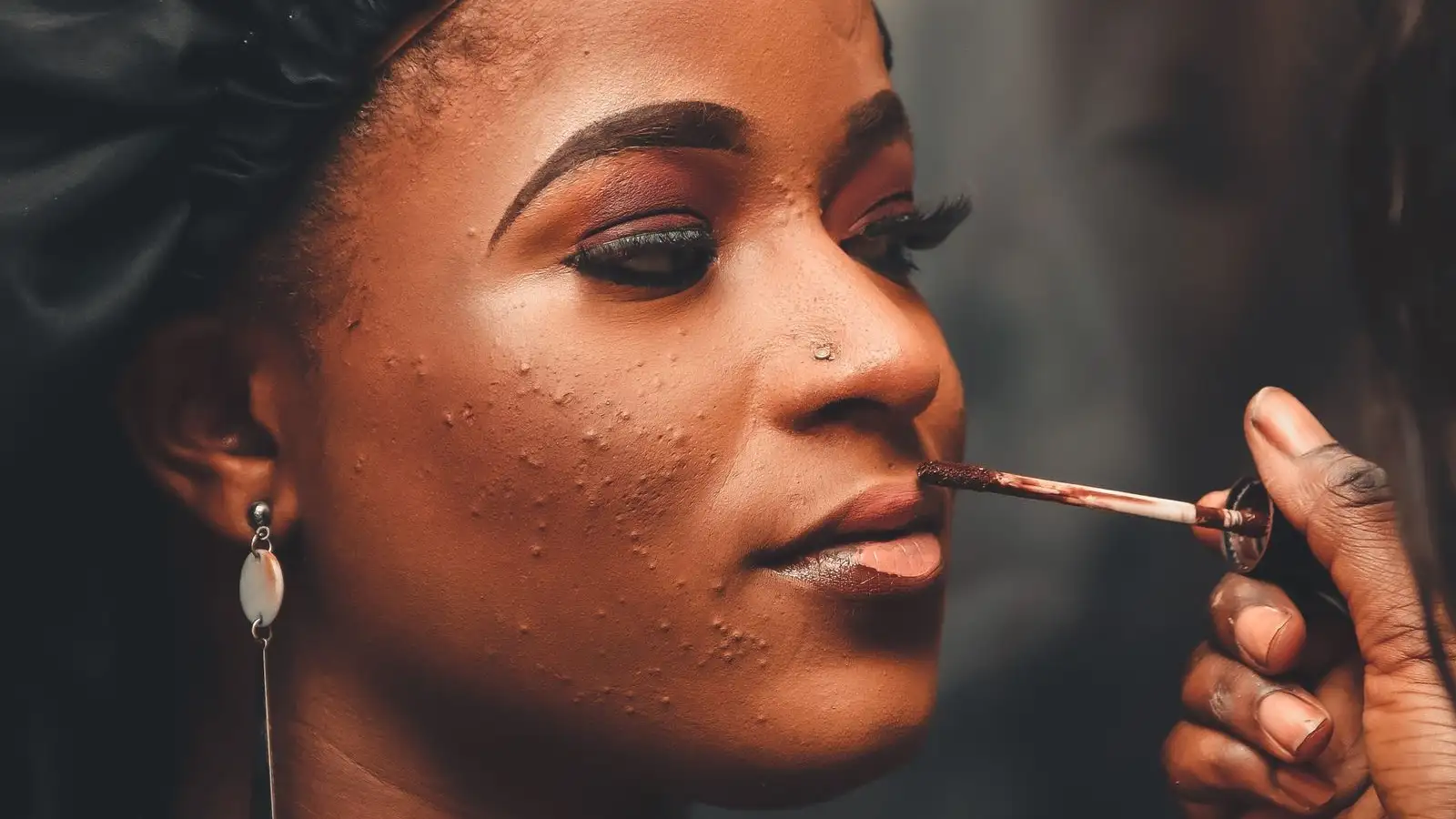
Pilling in the first minute, break-up by midday, settling by evening: a timing-based way to diagnose foundation texture on deep skin and adjust prep first.
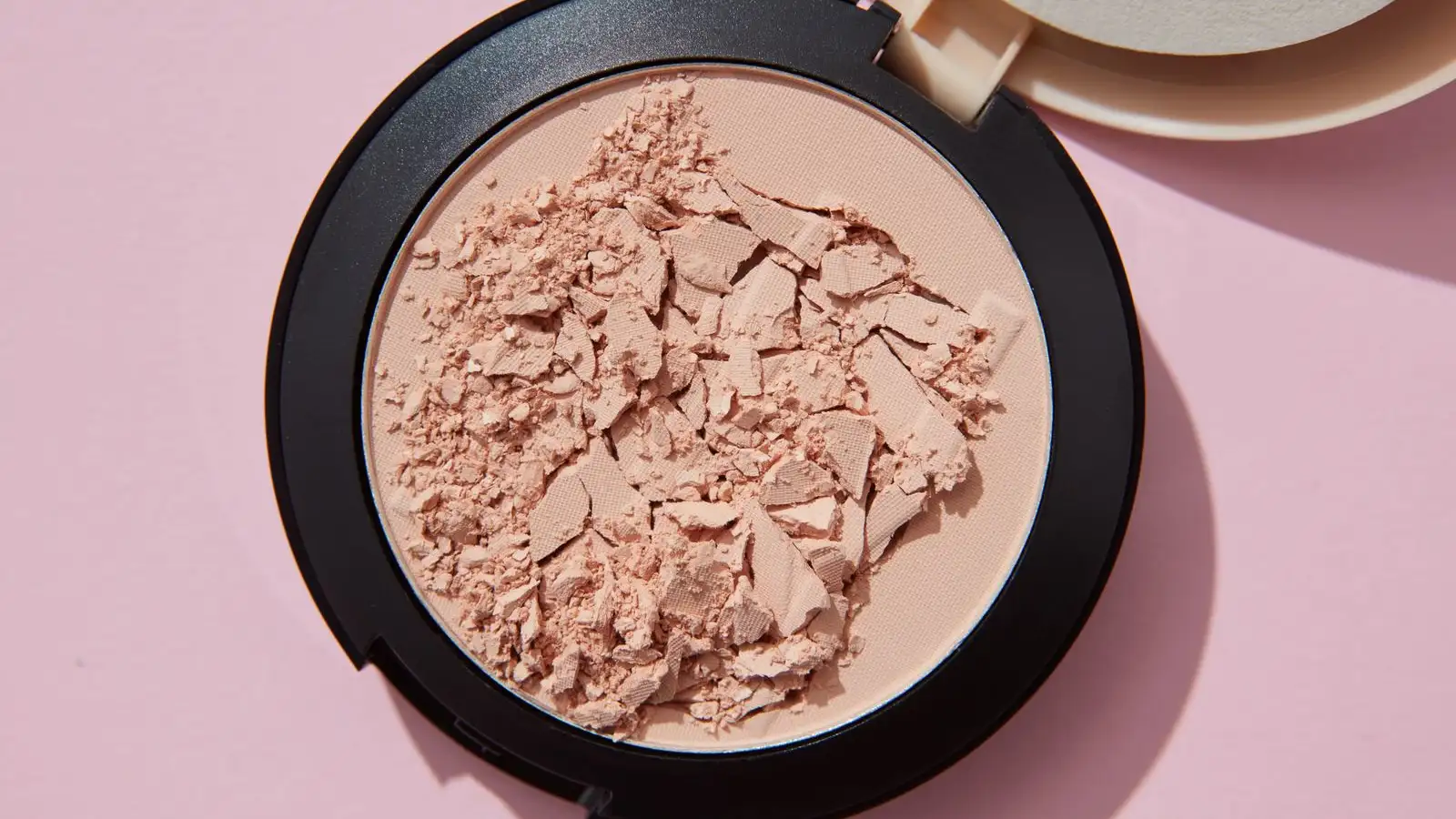
Wear powder to flash-photo events without the white cast. Place it after your base settles, press instead of sweep, and run a two-photo phone flash test first.
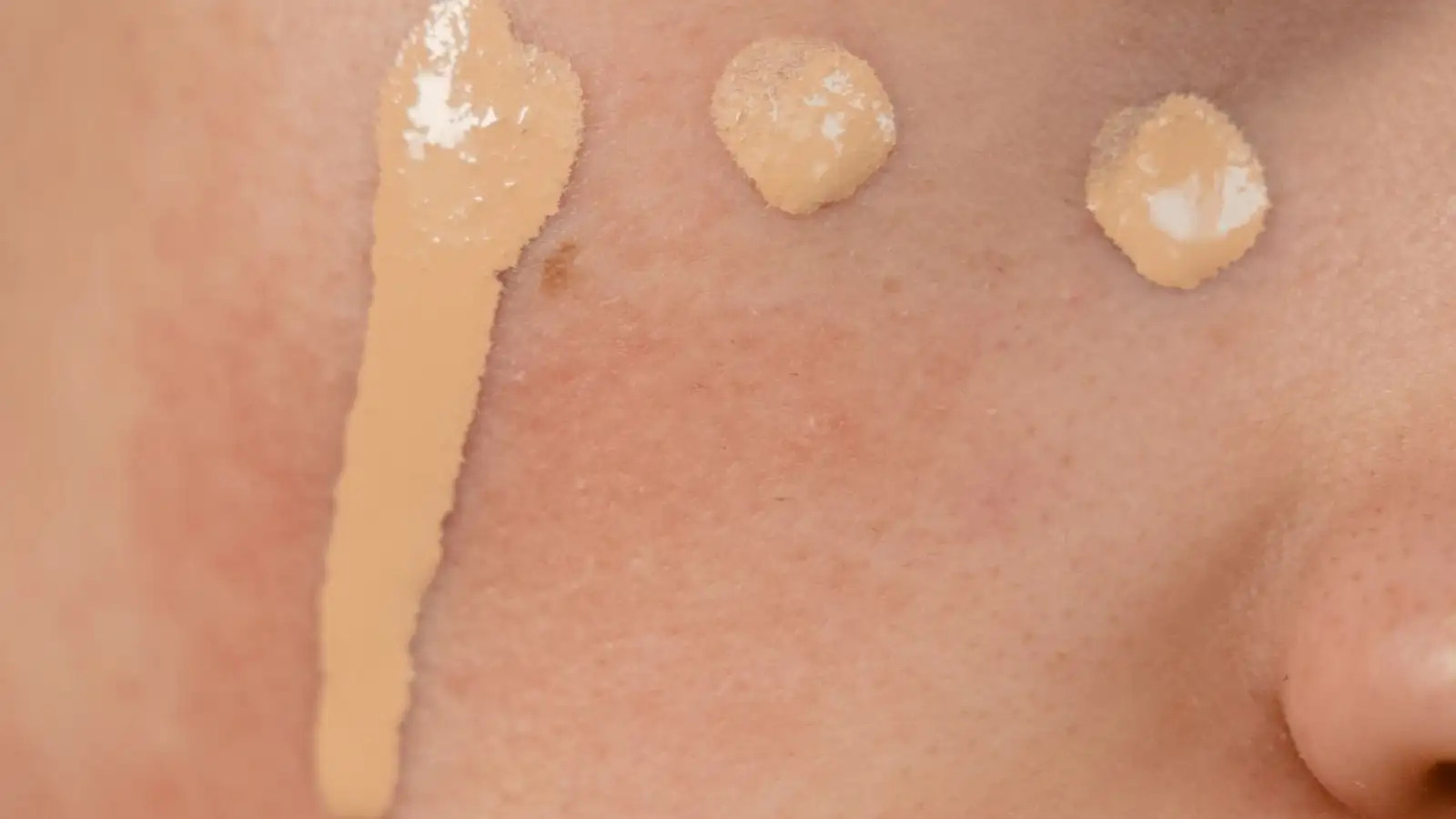
Liquid, cream, stick, powder, and serum foundations behave differently on textured skin. Compare base, pigment load, and film formers, not brands.
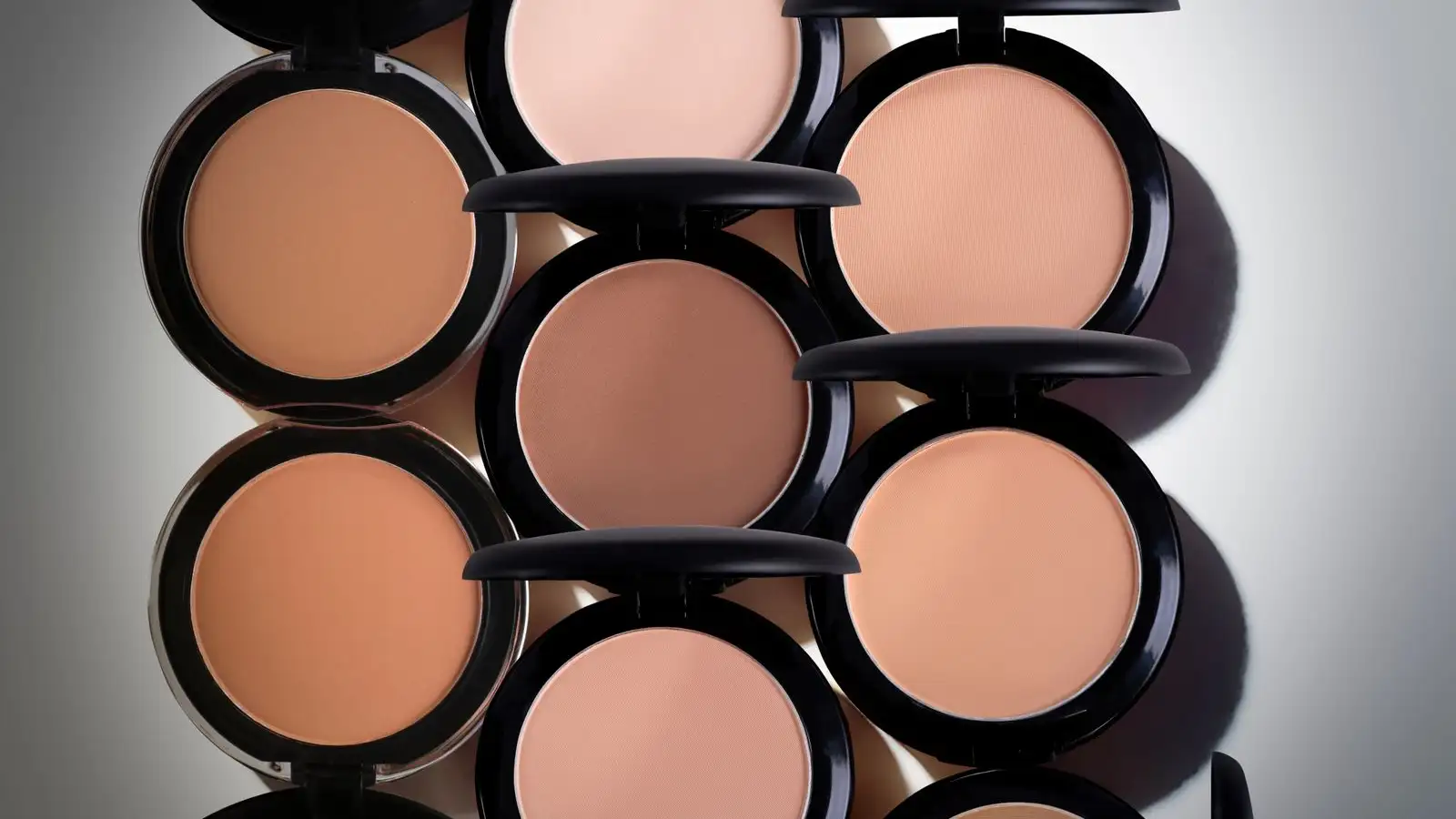
Red, yellow, and black iron oxides are the whole palette. Learn how the ratio between them sets depth, warmth, and saturation in brown foundation.

Film formers, volatile silicones, and pigment load decide how foundation wears on deep skin. Learn to read a base system and predict wear before you buy.

Your foundation isn't too light — flashback bounces white back at the camera. Run a dark-room phone flash test and check ingredients before your next event.
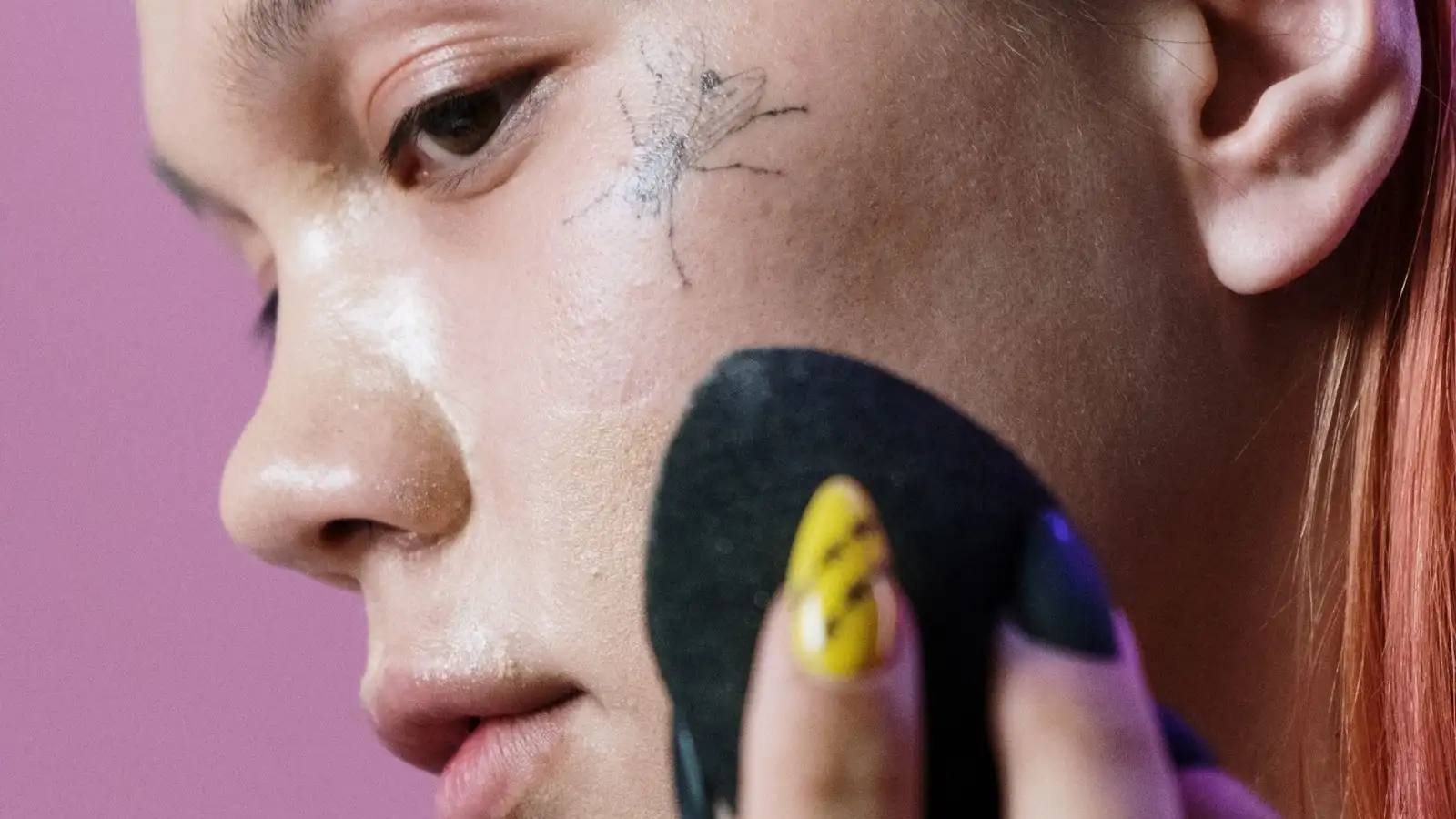
Foundation collects in texture because of how much you apply and when each layer goes on. A diagnostic routine for spotting and fixing settled base.